



Walmart's history
Walmart’s U.S. sales at stores open for at least a year rose 5.3% last quarter, with profits increasing by 8.2%. The company expects a strong holiday season. Households earning over $100,000 accounted for 75% of Walmart’s sales gains, marking a shift in its customer base.
In this gallery, we look back at Walmart’s history, as well as their aim to improve their appeal to higher-income homes.

Sam Walton
Walmart’s history began in 1962 when Sam Walton opened the first Walmart store in Rogers, Arkansas, aiming to offer low prices and great value to customers. The company quickly expanded, opening its first discount store in 1962.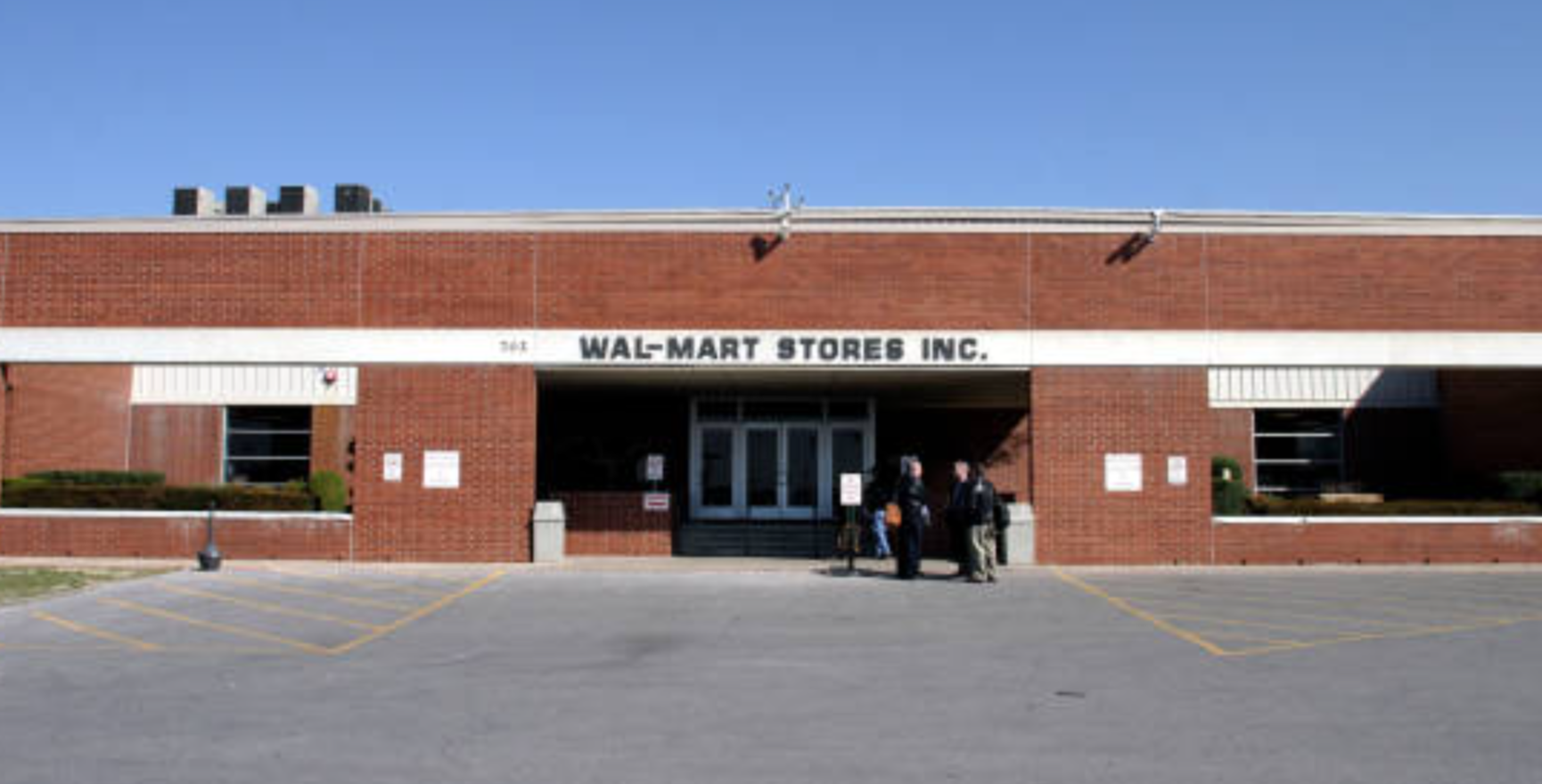
Further expansion
By 1970, Walmart had grown to 38 stores across Arkansas, generating $44 million in sales. The company went public in 1970, allowing it to raise capital for further expansion.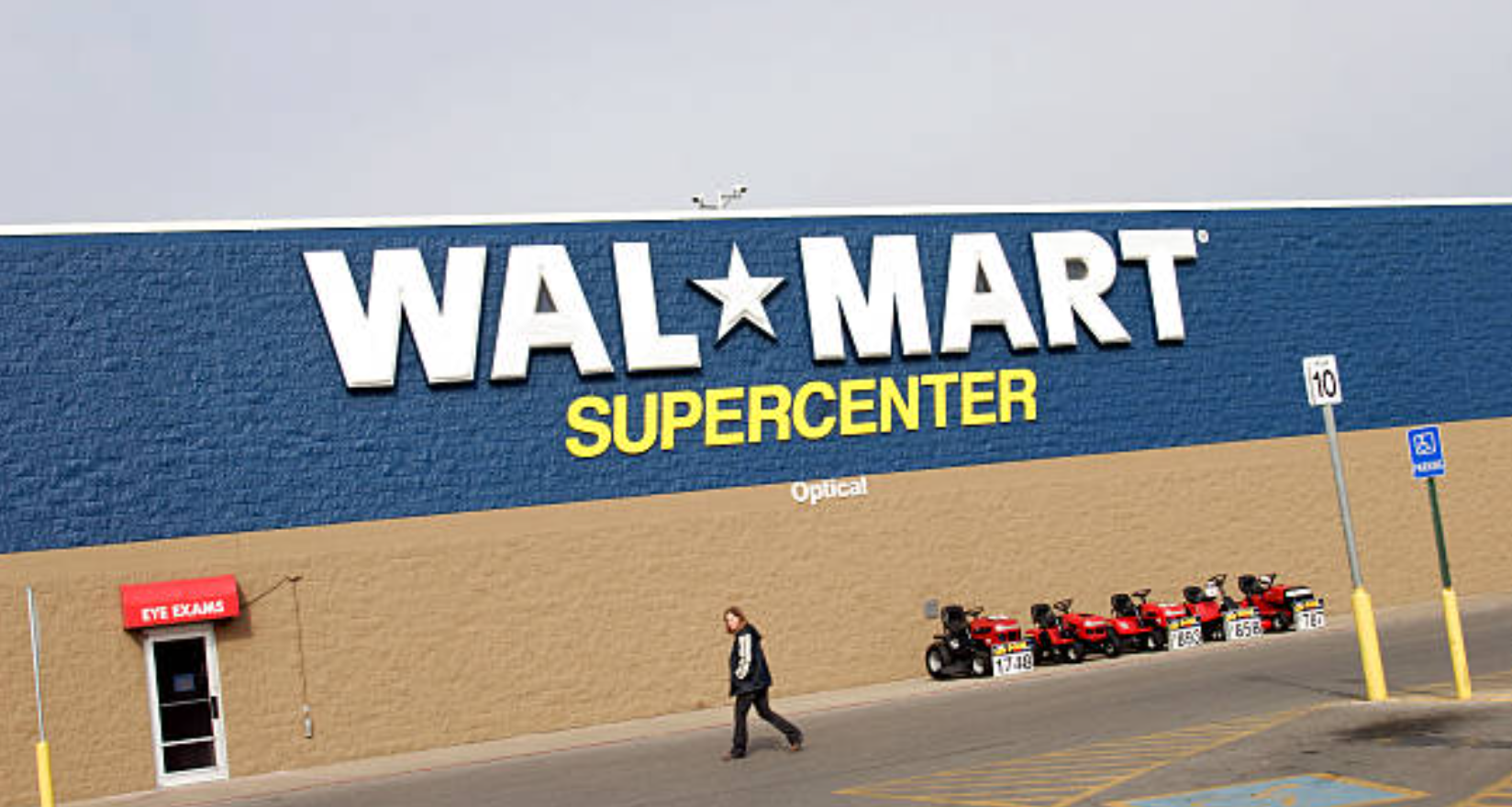
The largest retailer in the United States
In the 1980s, Walmart introduced the concept of supercenters, combining grocery and general merchandise under one roof. Walmart then expanded internationally in the 1990s, entering markets in Mexico, Canada, and the United Kingdom. By 1991, Walmart had become the largest retailer in the United States.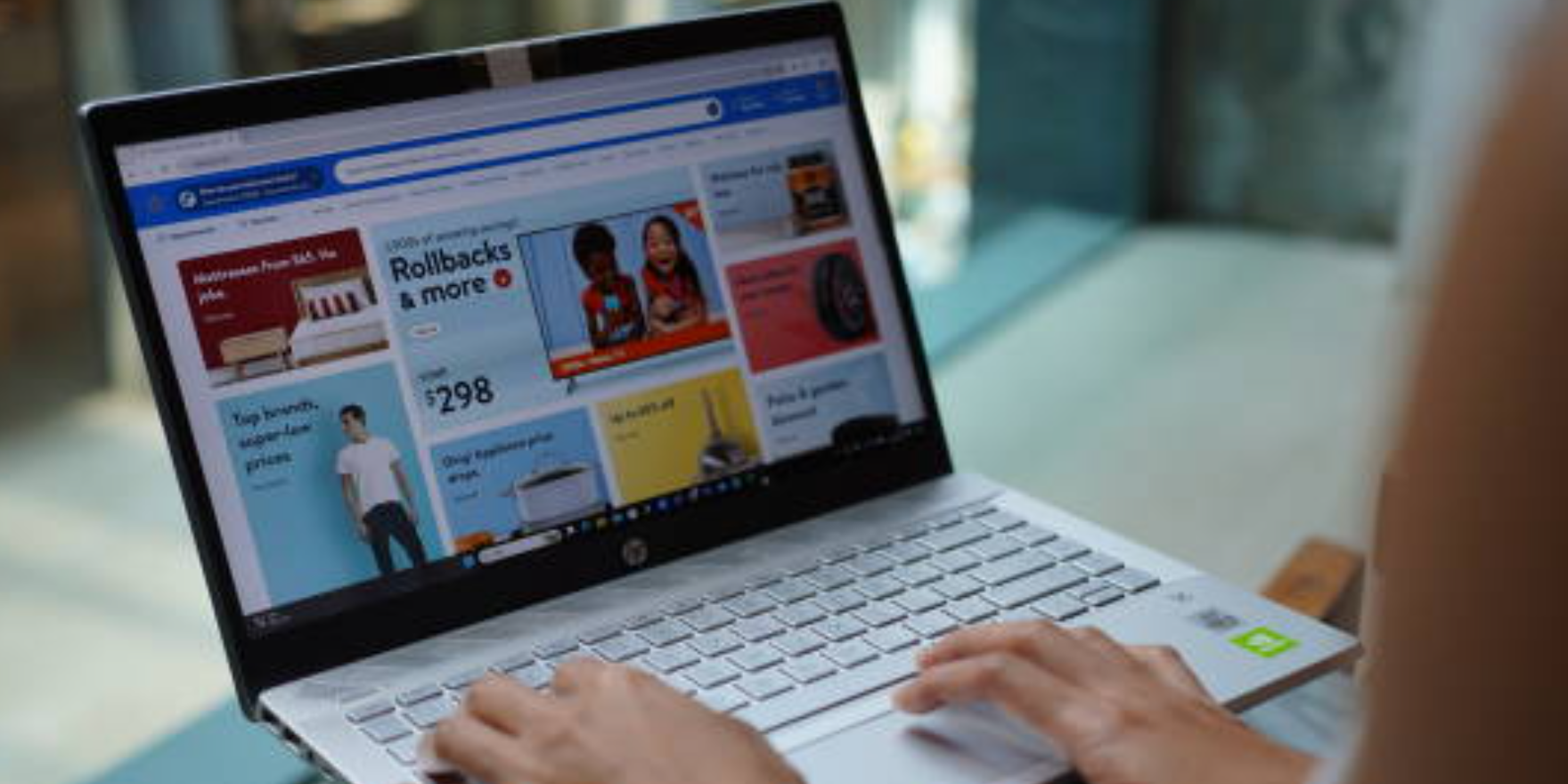
E-commerce platform
In 2000, Walmart launched its e-commerce platform, adapting to the growing trend of online shopping. The company has since invested heavily in technology to enhance customer experience.
Appeal to higher income levels
Walmart CEO Doug McMillon recently said, “As we grow our (online) assortment, we’re able to appeal to more people and appeal to higher income levels.”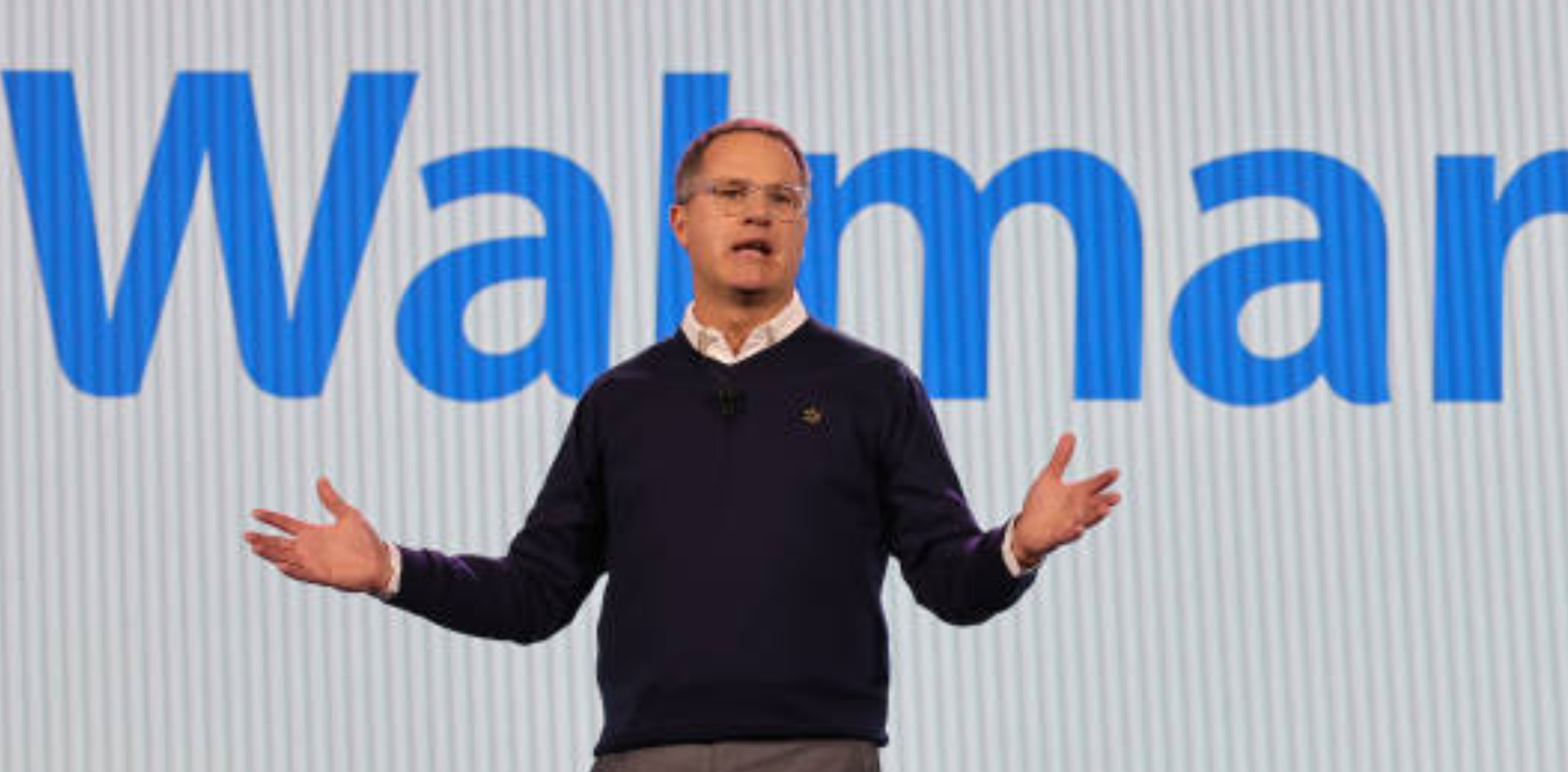
Both pickup and delivery
McMillon added, “Those that have more discretionary income and want to save time are liking what we’re doing with both pickup and delivery.”
Historically loyal
Walmart has traditionally served low and middle-income shoppers but has recently targeted higher-income households, historically loyal to Amazon. The change stems from investments in its grocery business and improved product offerings in clothing, electronics, and home goods.
Strong online presence
The retailer has built a strong online presence to compete with Amazon. Services like buy online and pickup in-store, along with Walmart+ for same-day grocery delivery, have boosted online sales by 22% last quarter.