

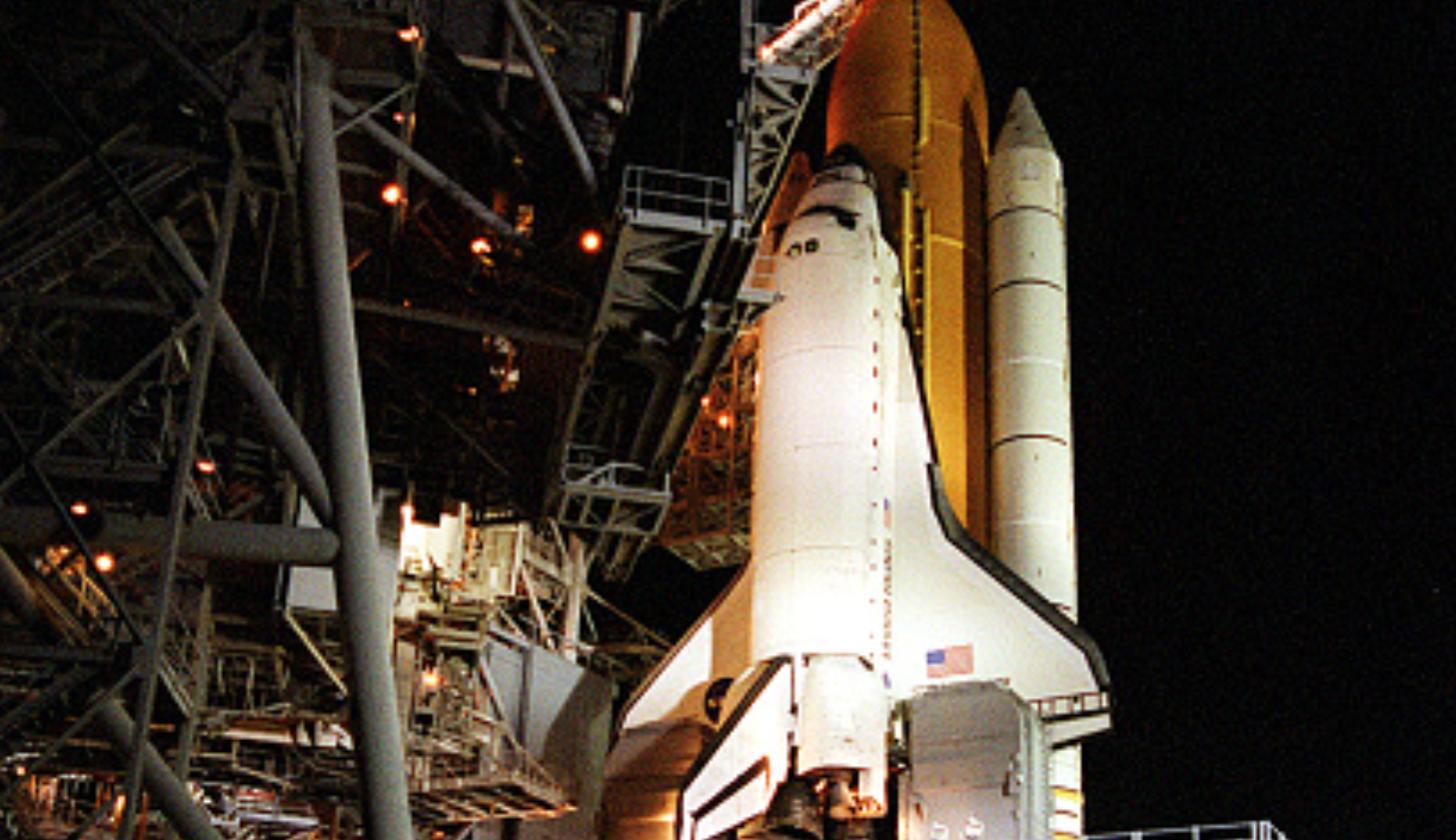
Space station
Space Station Freedom was initially proposed in the 1980s as a NASA-led initiative to create a permanently crewed space station in low Earth orbit. President Ronald Reagan supported the effort in 1984.
Despite significant financial investment, the project encountered severe budget cuts and delays, leading to its transformation into the International Space Station (ISS) in 1993 under President Clinton. The ISS became a collaborative effort involving multiple international partners, with its first component launched in 1998 and the first long-term crew arriving in November 2000.

Ronald Reagan
Project Origins: Space Station Freedom was proposed in the 1980s as a NASA-led multi-national project to create a permanently crewed space station in low Earth orbit. The project received initial approval from President Ronald Reagan, who announced it in the 1984 State of the Union Address.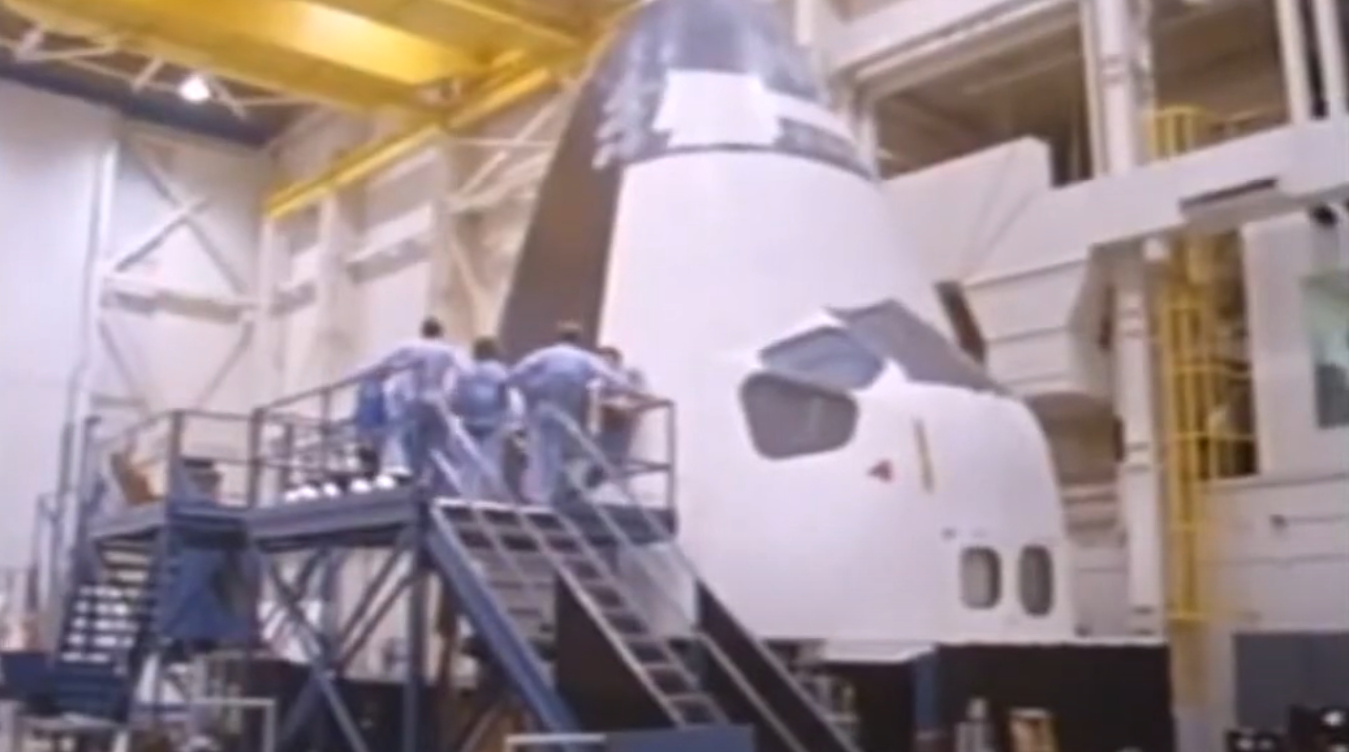
Budget Issues
Budget Issues: Despite substantial financial investment, including approximately $11 billion from NASA, the project faced significant budget cuts and delays. Space Station Freedom evolved into the US Orbital Segment (USOS) of the International Space Station (ISS).
International Collaboration
International Collaboration: It was intended to be a collaborative endeavor involving NASA (U.S.), NASDA (Japan), ESA (Europe), and CSA (Canada).
Expansion of Partners
Expansion of Partners: The ISS project later included Roscosmos (Russia), which contributed its experience from the Mir and Salyut space stations.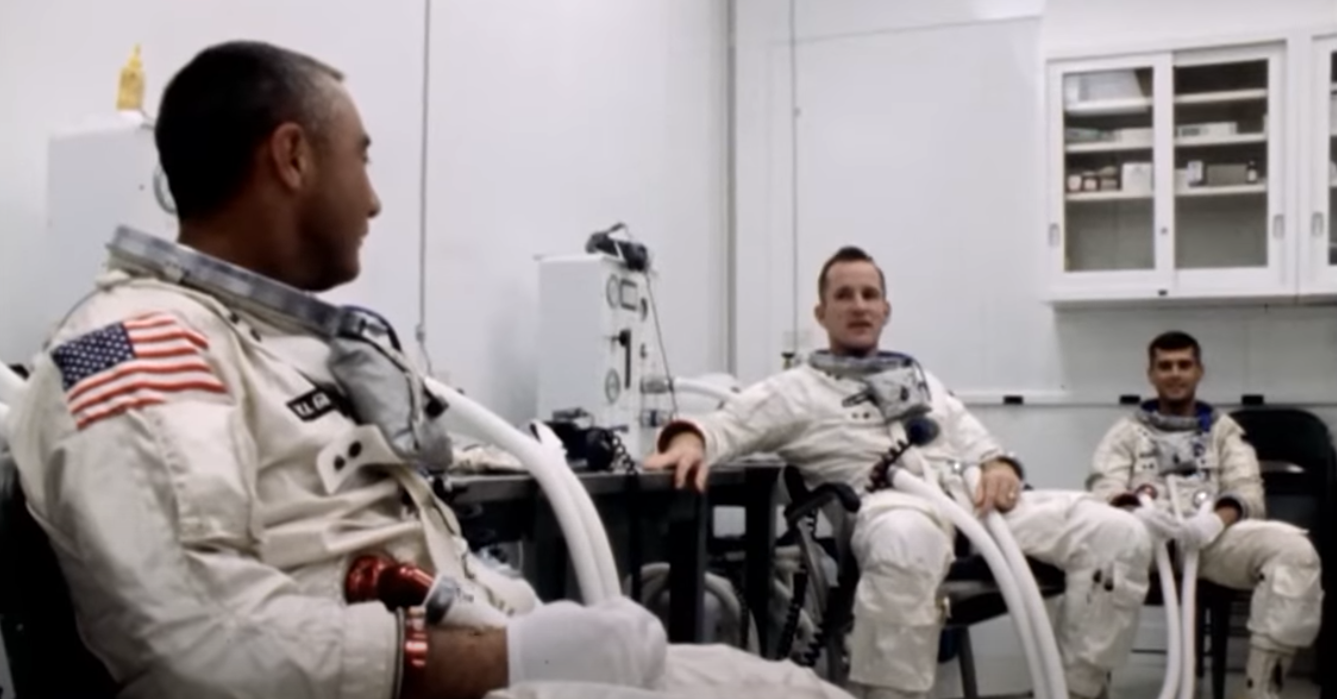
Crewed mission
Initial Concepts: After the Apollo program, NASA considered various future missions, including a permanent space station and a crewed mission to Mars.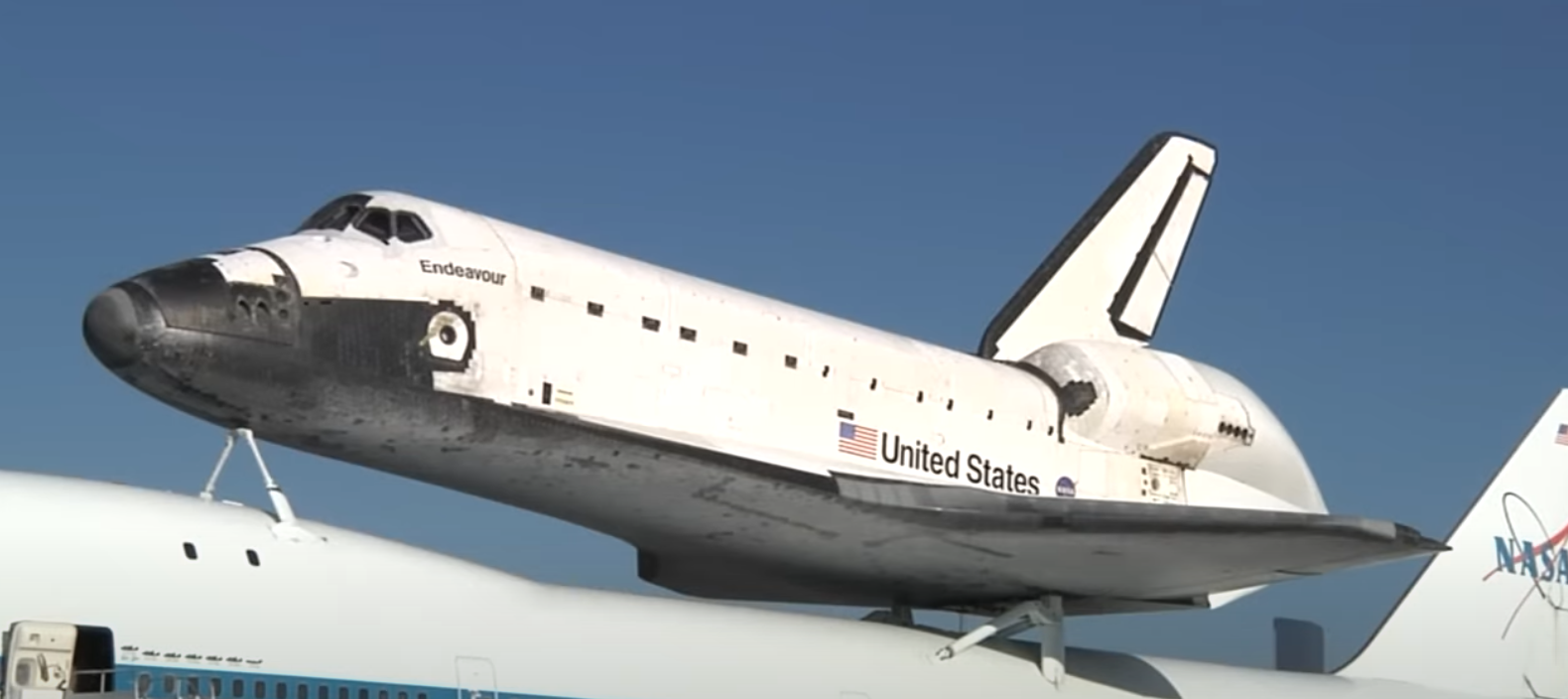
Crews and cargo
Space Shuttle Influence: NASA selected the Space Shuttle as the primary means to launch crews and cargo to the space station, believing it would lower overall costs. The design of Space Station Freedom went through multiple iterations over the years, including a “Power Tower” concept developed in 1984.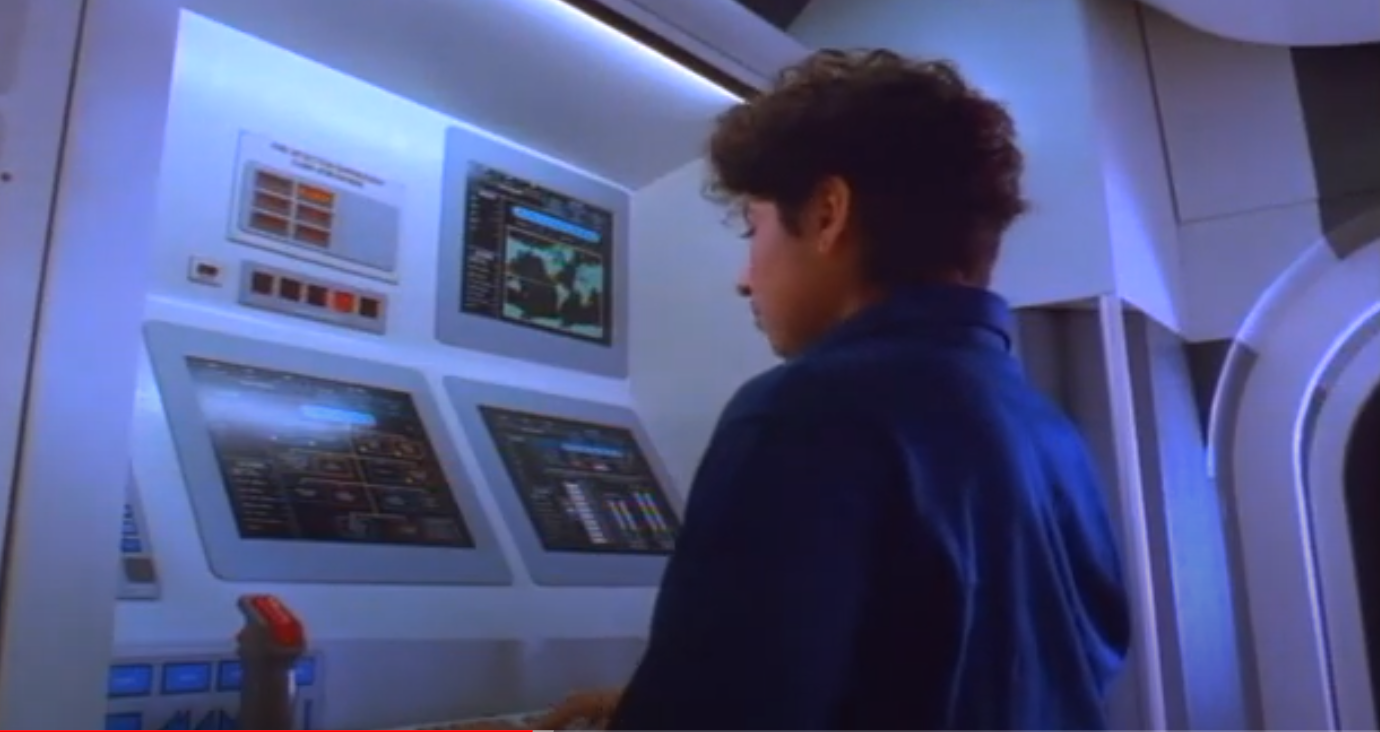
Scientific capacity
Reduction of the Program: The station’s size and capabilities were continually reduced due to budget constraints and a shifting political landscape, ultimately limiting its scientific capacity.
Formally transformed
Transition to International Coordination: In 1993, under President Clinton, Space Station Freedom was formally transformed into the International Space Station (ISS), incorporating international partners.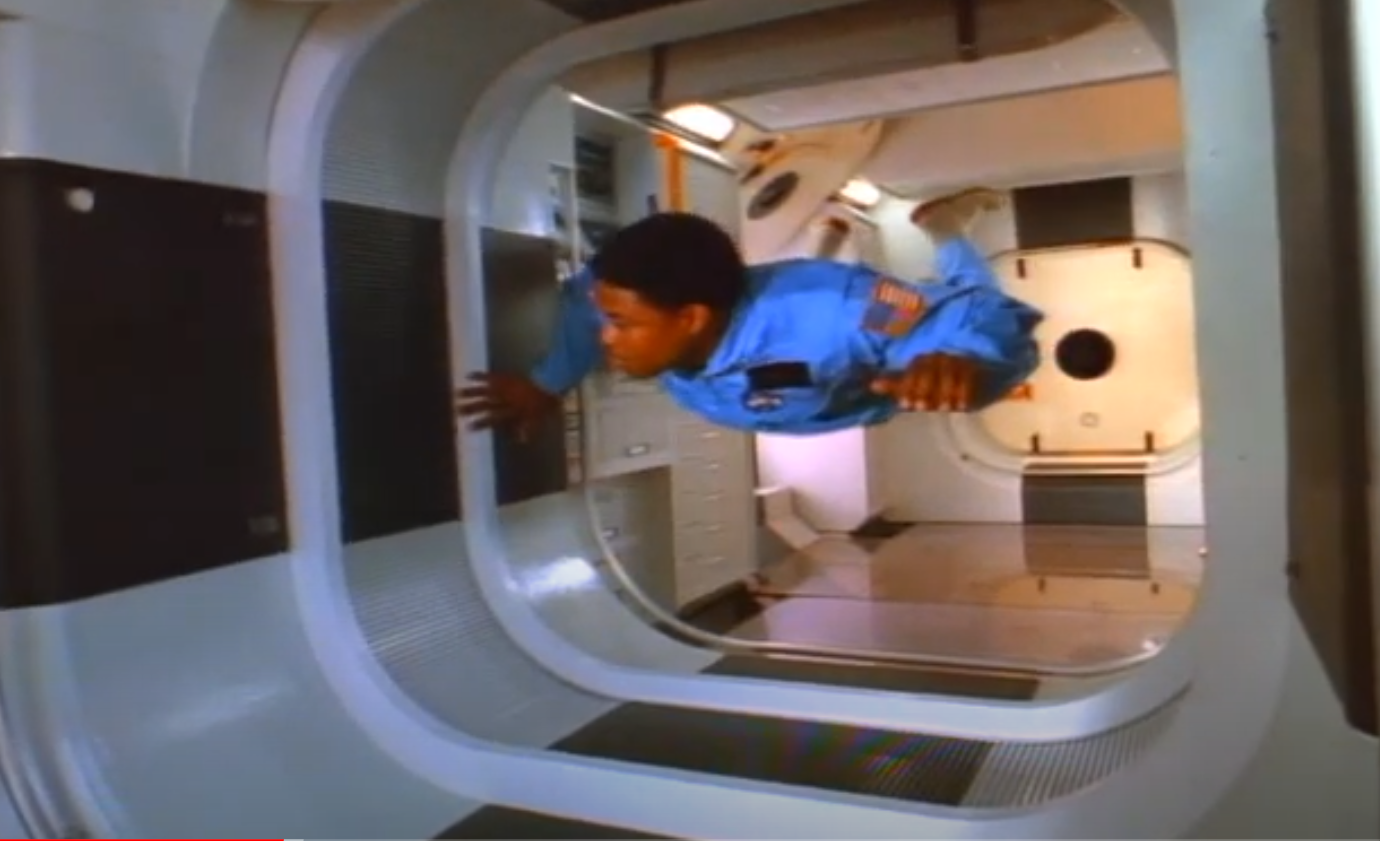
Launch and Residency
Launch and Residency Timeline: The first component of the ISS was launched in 1998, with the first long-term crew arriving in November 2000.