


Video game industry
Founding and Origins: Nintendo was founded in 1889 as Nintendo Koppai by Fusajiro Yamauchi, initially producing handmade hanafuda playing cards before transitioning into video games. Nintendo released its first console, the Color TV-Game, in 1977 and gained international fame with the launch of Donkey Kong in 1981 and the Nintendo Entertainment System (NES) along with Super Mario Bros. in 1985. In this slideshow, we explore how Nintendo helped shape the video game industry.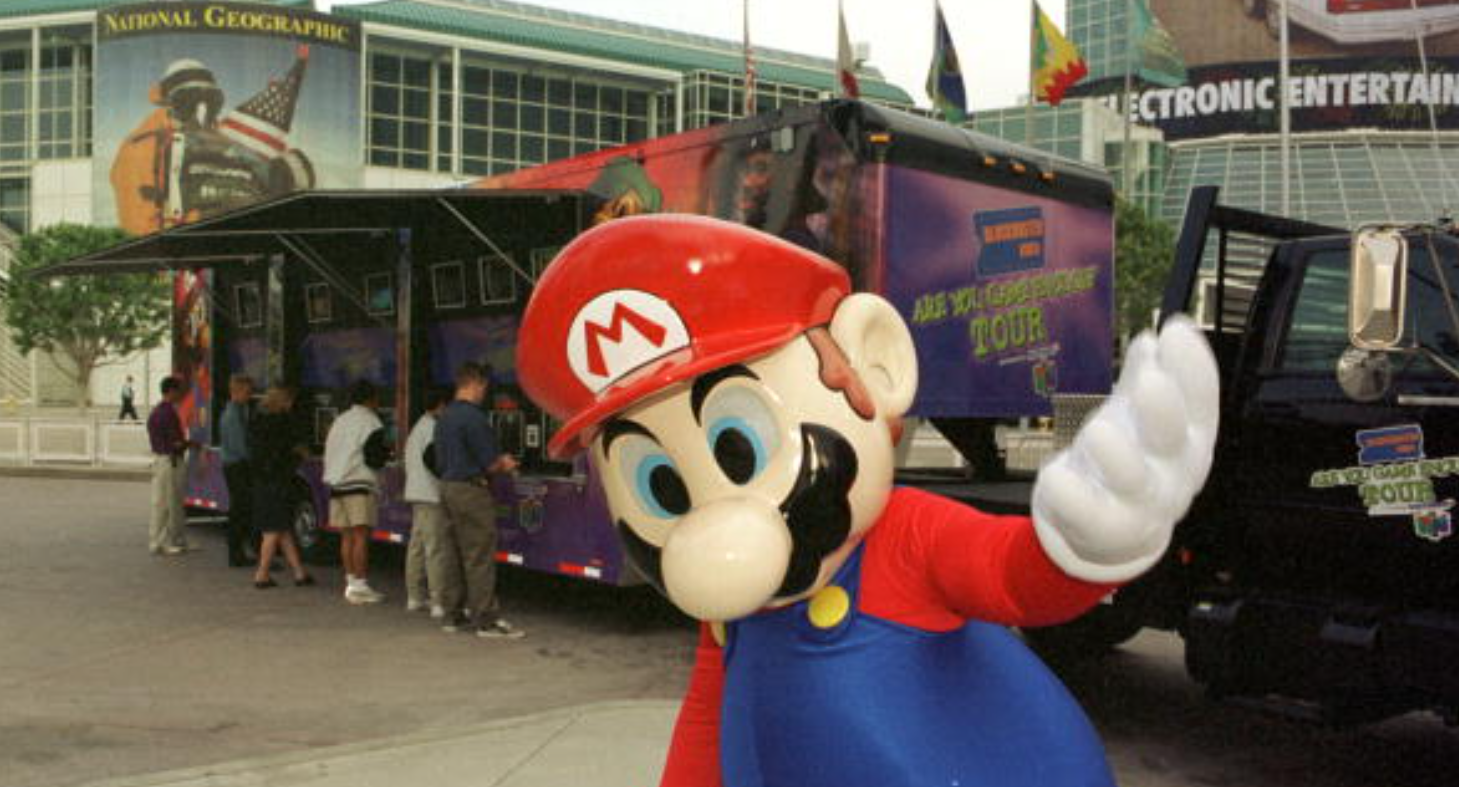
Gaming industry
Iconic Franchises and Characters: The company has developed numerous highly successful franchises, including Mario, The Legend of Zelda, Pokémon, and many others, with its mascot Mario being one of the most recognized characters globally. As of March 2023, Nintendo has sold over 5.592 billion video games and more than 836 million hardware units worldwide, highlighting its significant impact on the gaming industry.
Prestigious awards
Recognition and Value: Nintendo is one of the wealthiest and most valuable companies in Japan and has received various prestigious awards, including Emmy Awards for Technology & Engineering and Game Developers Choice Awards, reinforcing its status in the gaming world.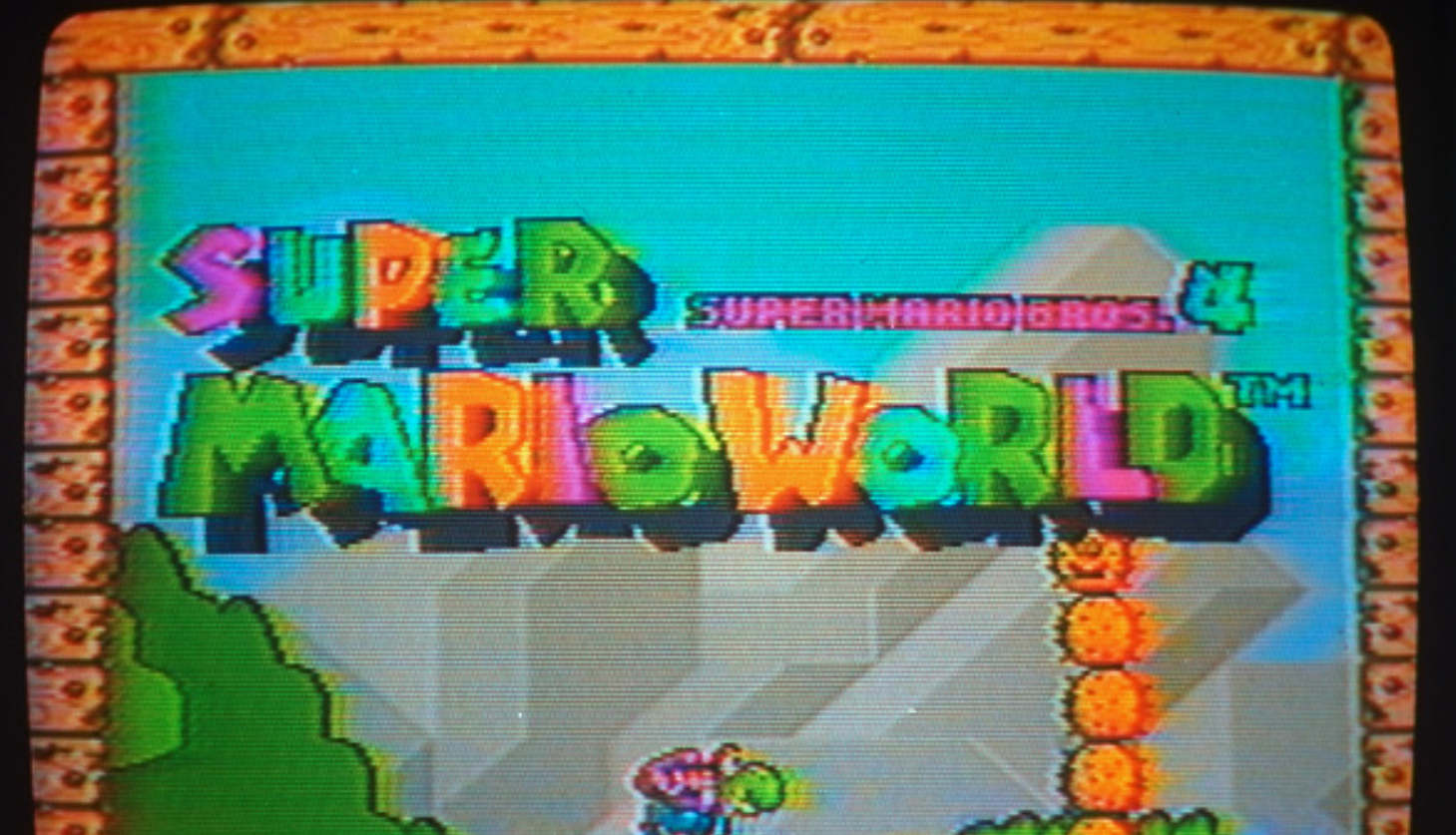
Early successes
Establishment and Early Innovations: Nintendo was founded in 1889 and entered the gaming industry in 1980 with the Game & Watch, which became one of its most significant early successes, selling over 43.4 million units.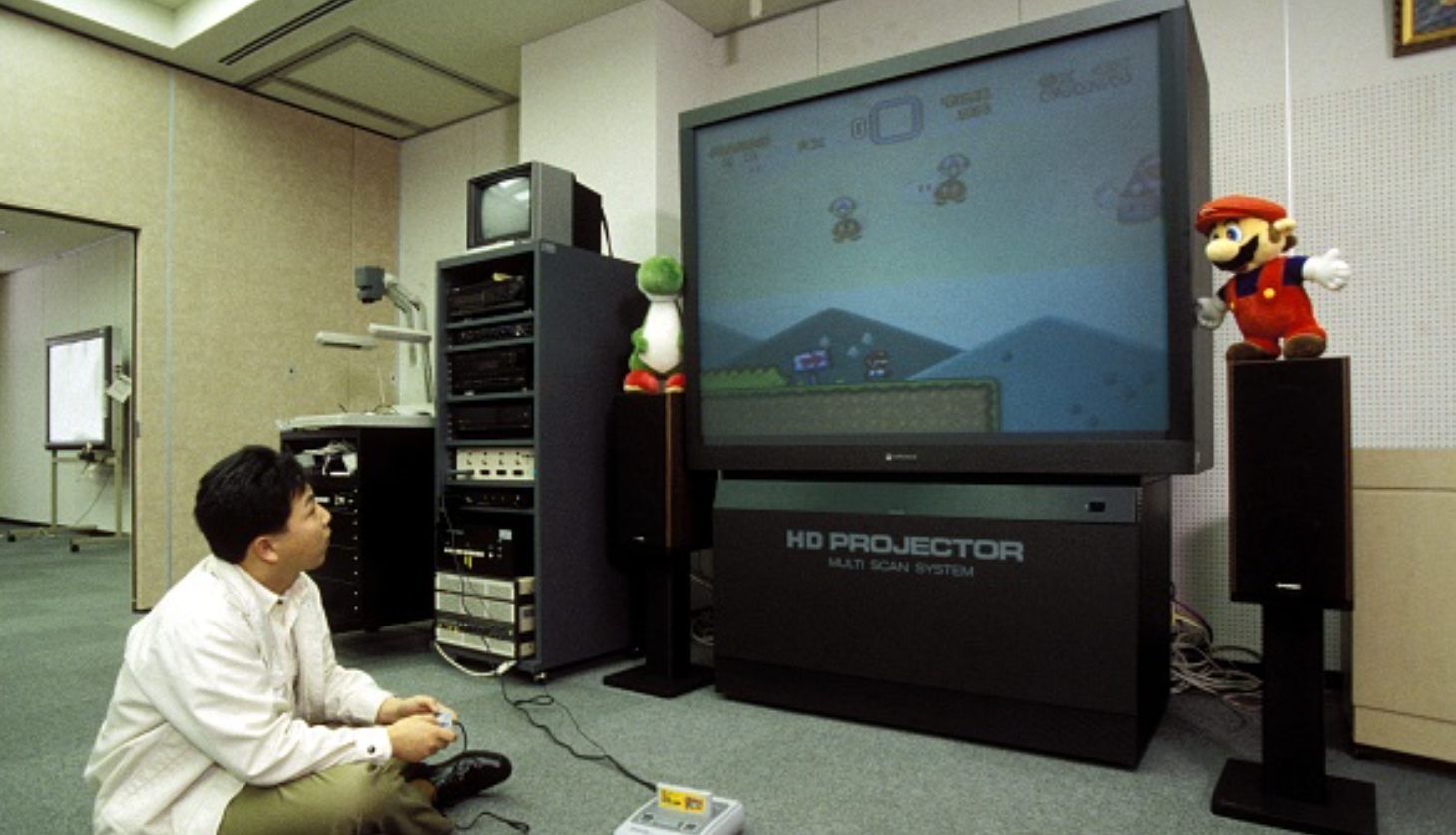
Future Nintendo franchises
Arcade Game Development and Mario’s Debut: Nintendo made its mark in the arcade market with games like “Donkey Kong,” which introduced Jumpman (later known as Mario) and became a financial success, paving the way for future Nintendo franchises.
Entertainment System
Launch of Famicom and NES: The Family Computer (Famicom) was released in Japan in 1983, later rebranded as the Nintendo Entertainment System (NES) for North America in 1985, leading to a sales total of around 62 million units and a resurgence in the gaming industry after the 1983 crash.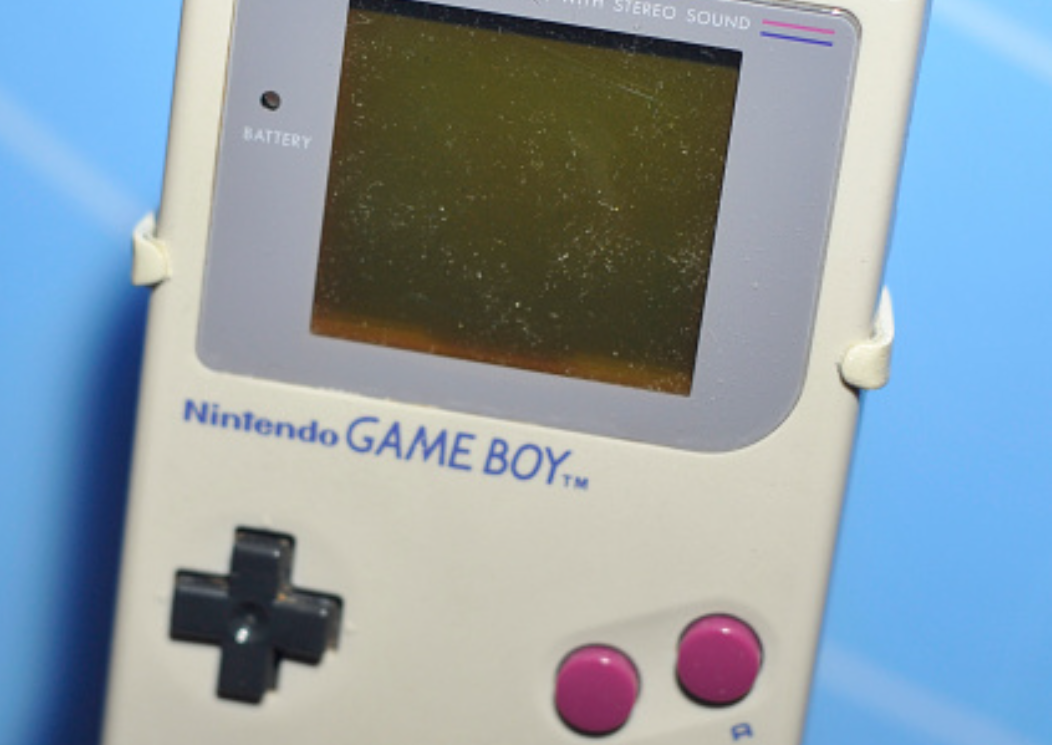
Portable gaming
Introduction of the Game Boy: The Game Boy, launched in 1989, was a major handheld gaming success, bundled with Tetris, and sold out quickly upon release. It established Nintendo as a leader in portable gaming.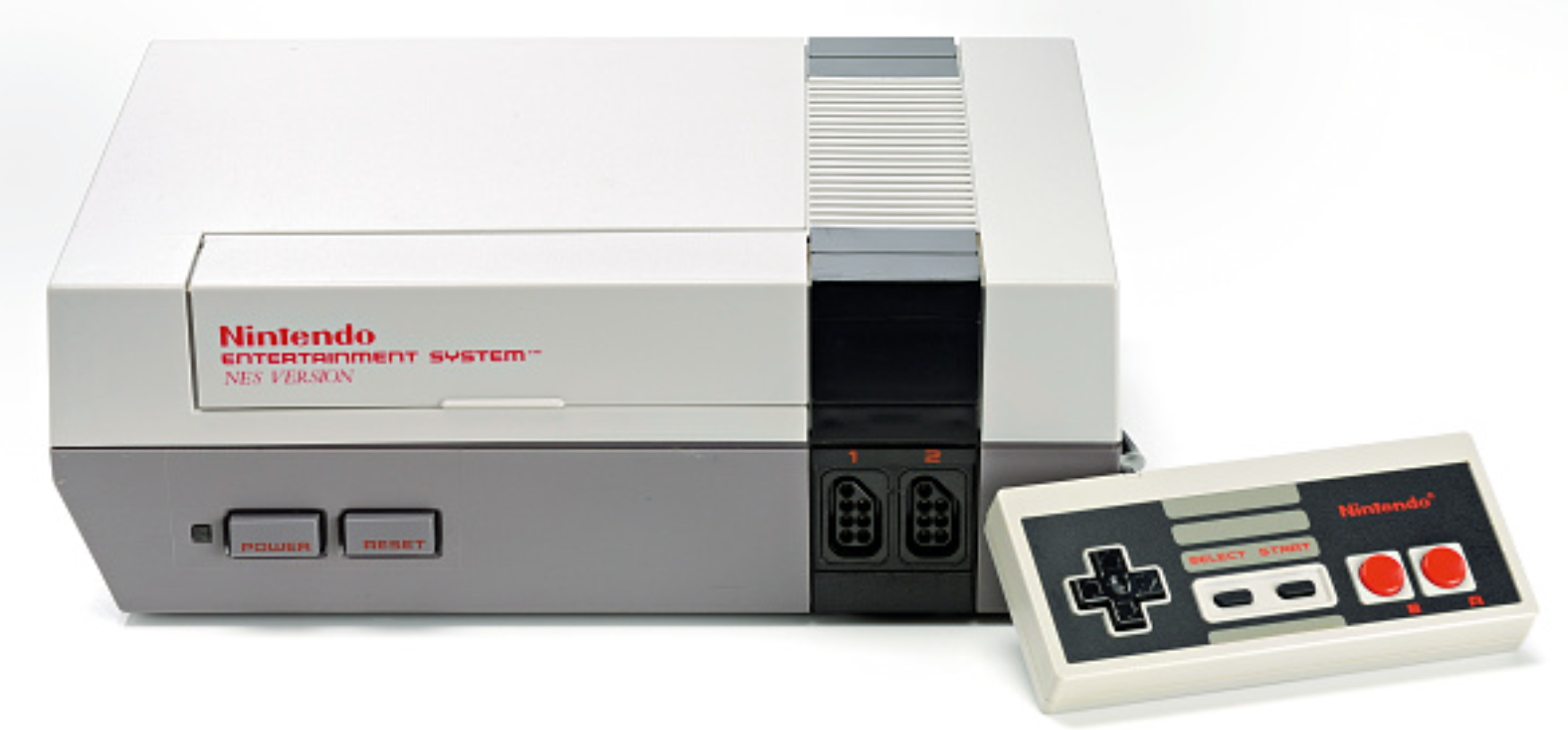
No alt text provided
Launch of Famicom and NES: The Family Computer (Famicom) was released in Japan in 1983, later rebranded as the Nintendo Entertainment System (NES) for North America in 1985, leading to a sales total of around 62 million units and a resurgence in the gaming industry after the 1983 crash.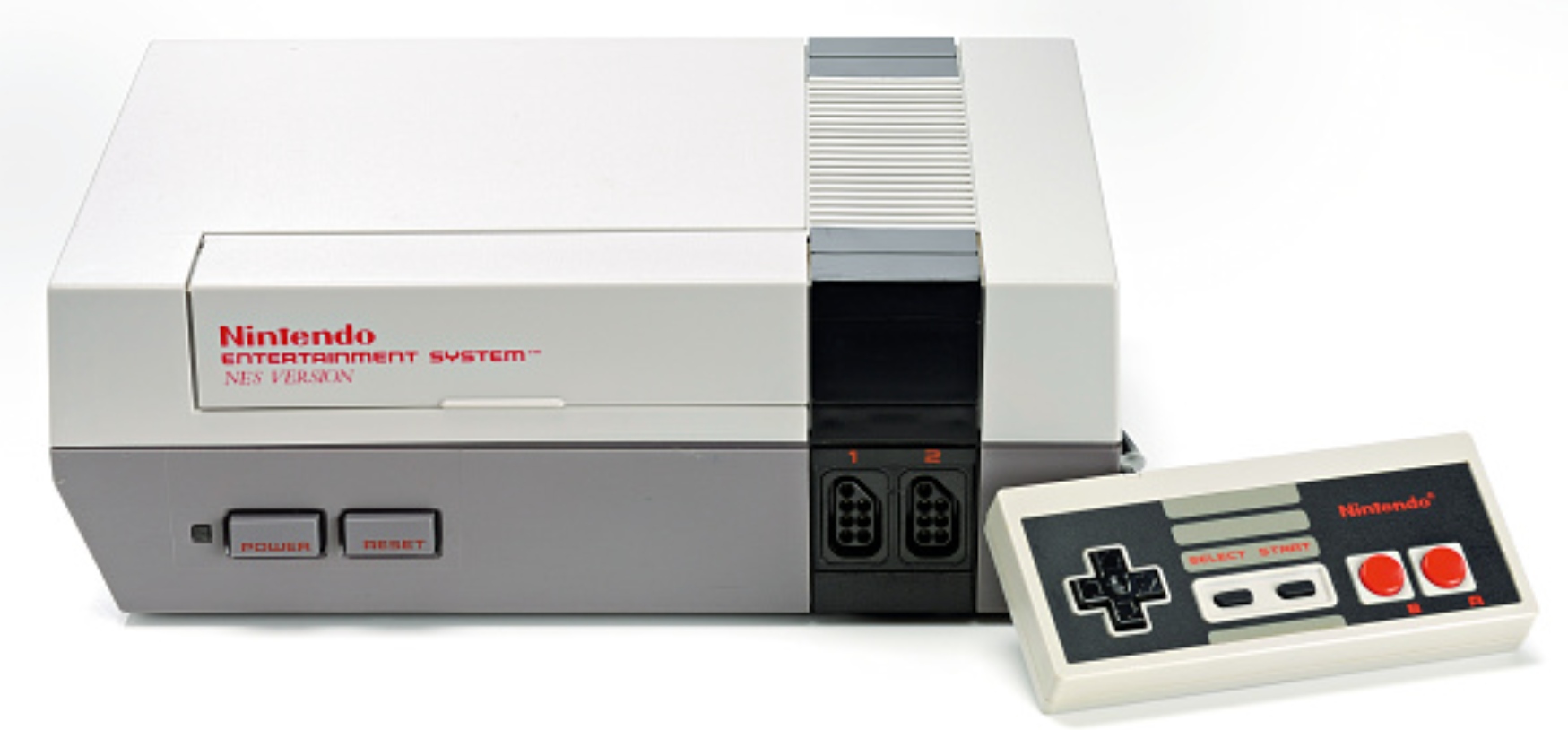
Against rivals
Super Nintendo Entertainment System (SNES): The Super Famicom was released in Japan in 1990, and the SNES followed in the U.S. in 1991, selling over 46 million units combined and competing effectively against rivals.
Enhancing the capabilities
Launch of Nintendo 64 and Game Boy Color: The Nintendo 64 was released in 1996, gaining acclaim for iconic titles like “Super Mario 64,” while the Game Boy Color debuted in 1998, enhancing the capabilities of the Game Boy and selling over 118 million units collectively.
Market dominance
Wii and Market Strategy: The Wii was launched in 2006, focusing on a broader demographic with innovative controls like the Wii Remote, leading to over 101 million units sold by 2016, significantly impacting the gaming landscape and re-establishing Nintendo’s market dominance.