


Can You Believe These Ads Made It Past The Idea Stage?
The 1990s were a wild time for advertising. It was a decade of grunge, slap bracelets, and Tamagotchis, where marketers doubled down on extreme gimmicks, questionable humor, and some pretty tone-deaf messaging to grab attention. Whether it was gender stereotypes, impossible beauty standards, or plain old cringe-worthy attempts at being edgy, these ads reflect a time when “outrageous” was a selling point. Let’s look back at the ads that made us laugh, cringe, or say, “What were they thinking?”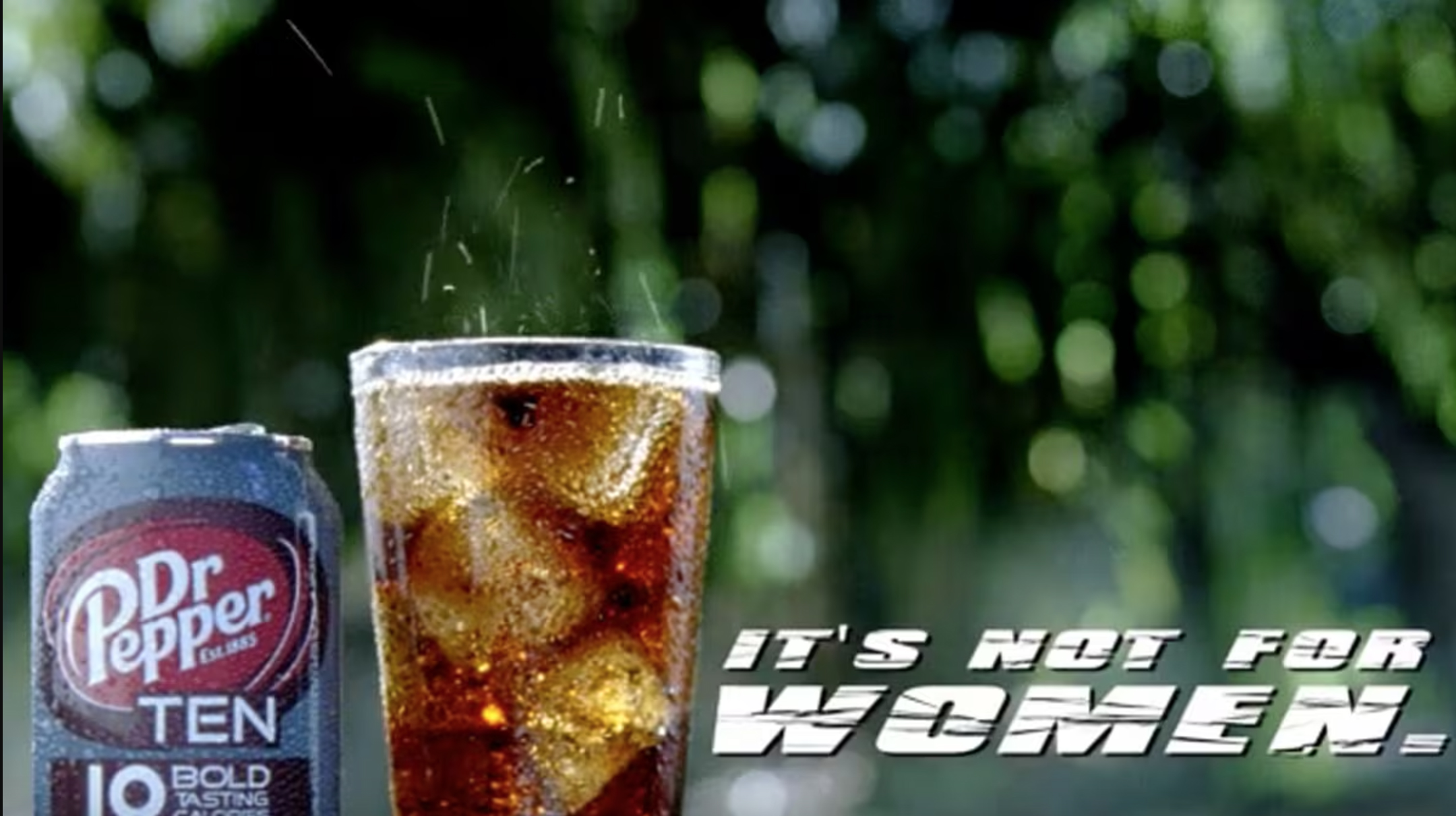
Dr Pepper Ten, "It's Not For Women"
Before energy drinks dominated the market, there was Dr Pepper Ten—a soda marketed exclusively to men. One of the ad campaigns proclaimed, “It’s not for women,” and featured a rugged man climbing mountains and conquering the wild while sipping his “manly” soda. The ads tried to appeal to an extreme sense of masculinity, with a wink-and-nod tone that somehow made soda sound like a testosterone supplement. It was as absurd as it sounds, but in the 1990s, no one batted an eye at such blatant gender stereotyping.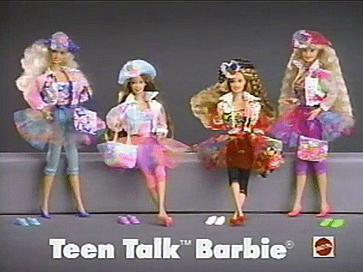
Teen Talk Barbie
In the early 1990s, Mattel released a talking Barbie doll with phrases like, “Will we ever have enough clothes?” and “Math class is tough!” The ads promoting the doll leaned into the idea of Barbie as a fashion icon, but the inclusion of the “math is hard” line caused an uproar even back then. It was like a pink-glitter grenade tossed at every girl who just wanted to play with her doll without being told that math wasn’t her thing.
Slim Fast, Think Thin
SlimFast ads in the 1990s were relentless in their messaging, featuring glowing models holding shakes and telling viewers to “think thin” while flashing their impossibly flat abs. The emphasis on rapid weight loss and meal replacement shakes tapped into the decade’s diet-culture frenzy, but the messaging was both reductive and unattainable. These ads weren’t just selling a product—they were selling the idea that thinness equaled happiness, a trope that defined so much of ‘90s media.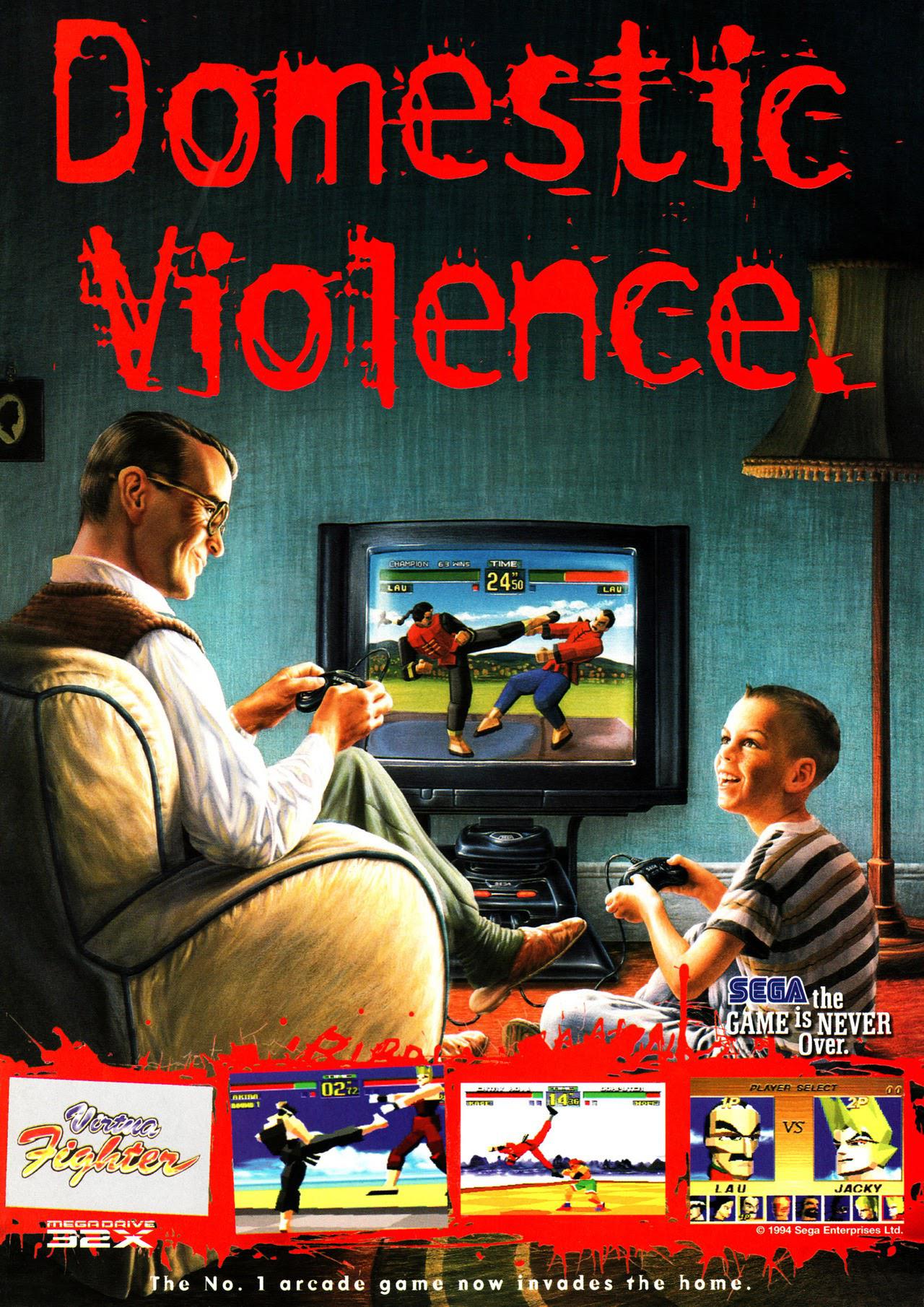
Sega - Domestic Violence
Ah, the ‘90s, when marketers had the freedom to be as edgy as possible, and no one in the room ever said, “Maybe this is a bad idea.” Enter Sega’s “Domestic Violence” ad, which aimed to promote their fighting game but ended up… well, doing something else entirely. It’s a bold swing for shock value, leaning heavily on the idea of family bonding through virtual punches and kicks. While it’s obvious that this ad was meant to be humorous, there’s a fine line between edgy and “Wait, who thought this was okay?” Looking at it now, it’s a time capsule of when video game companies would do anything to stand out in a crowded market, even if it meant turning heads for all the wrong reasons. But hey, the graphics look cool, right? You can almost hear the marketing team saying, “We’ll call it ‘Domestic Violence’—genius!” Bless their audacity.
This Creepy Levi’s 1995 Claymation Ad
Remember when claymation was a thing? Levi’s sure does—or at least they did in 1995, when they decided to put together a bizarre fever dream of an ad. The premise: a woman in a burning building refuses help from a would-be hero until, of course, he drops his pants. Because naturally, Levi’s jeans are the key to heroism and male sexual magnetism. If you weren’t already weirded out by the clay figures, the soundtrack doubles down with “Mr. Lover Lover” on repeat, just to really hammer home the theme. It’s the kind of ad that feels like it was greenlit at 3 a.m. after someone said, “What if sexy firefighters, but make it… clay?” Sure, it’s memorable, but not for the reasons Levi’s probably intended. Today, it’s a fun little artifact from a time when companies thought bizarre sexual innuendo and surreal animation would sell jeans. Spoiler alert: it didn’t.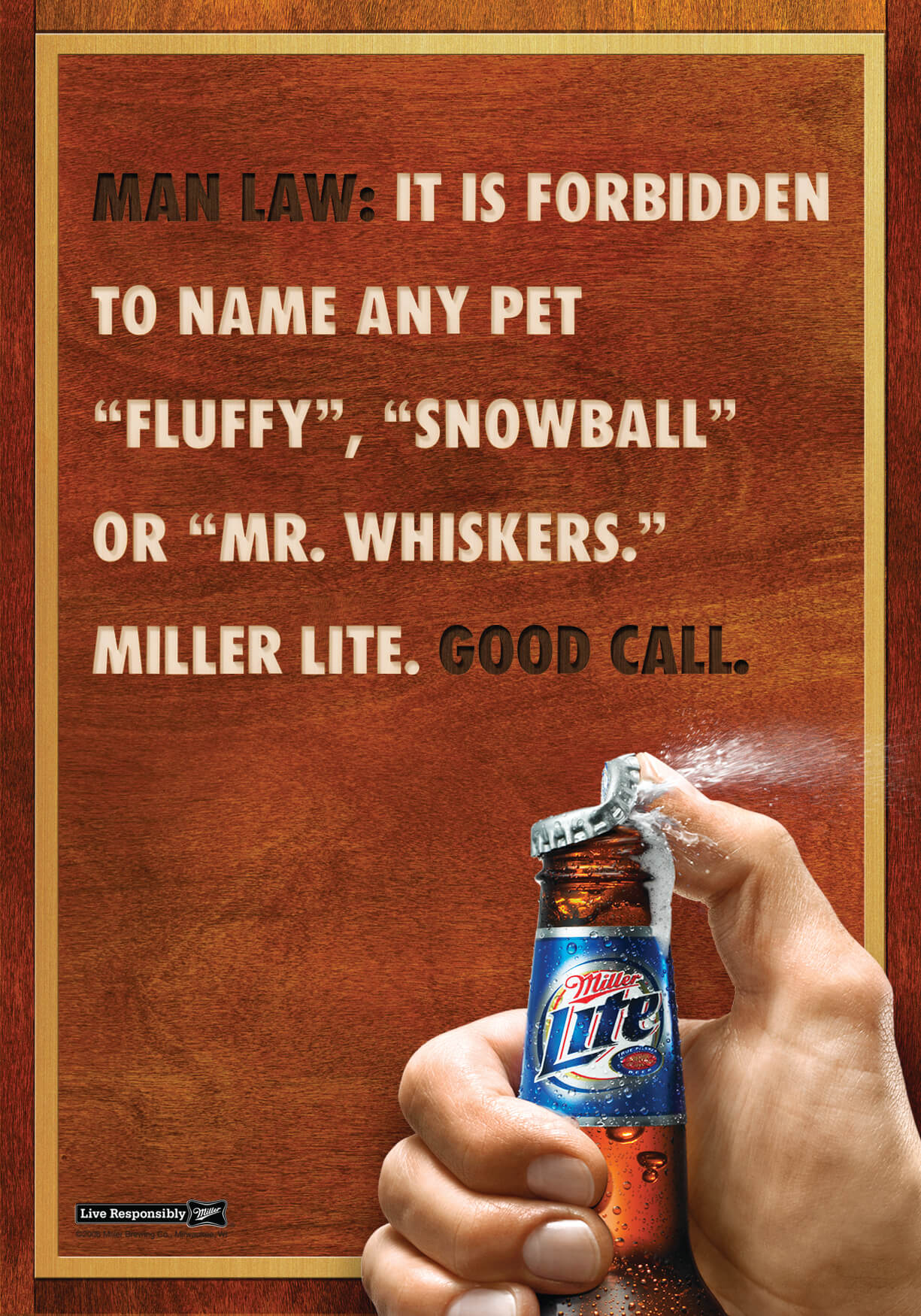
Miller Lite - “Man Law
Ah, Miller Lite in the 1990s: the beer brand that not only wanted to quench your thirst but also define your masculinity. Enter the “Man Law” campaign, a series of ads that read like they were written by a committee of guys cracking jokes in a bar (and not leaving until they ran out of ideas). This particular gem boldly decrees that naming your pet something cute—like “Fluffy” or “Snowball”—is a direct violation of the sacred bro code. Miller Lite insists you keep it rugged, presumably to avoid embarrassing yourself in front of other beer drinkers at the dog park. The ad oozes that signature ‘90s vibe: hyper-masculine, a little tongue-in-cheek, and completely unafraid to plant its flag on a hill no one asked it to climb. It’s the kind of campaign that feels like a time capsule of when humor in advertising aimed to be provocative and goofy, sometimes missing the mark but leaving a legacy of memorable absurdity.
This Super Weird Nissan Barbie Ad
In the world of bizarre ad campaigns, this Nissan spot feels like a fever dream someone dared to make real. The scene opens with a Barbie-like doll getting knocked out cold by a beach ball—because of course that’s how you start a car commercial. Enter G.I. Joe, the rugged hero who saves the day while poor Ken struggles with a life preserver, looking hilariously unfit to handle… well, anything. The ad leans hard into the “action hero saves the day” trope but does so with such a cartoonish flair that it feels more like an SNL sketch than a pitch to sell cars. And Barbie? She’s pretty much sidelined after her knockout moment, making her more of a plot device than a character. It’s over-the-top, unapologetically chaotic, and the kind of thing that makes you wonder how many margaritas were involved in the creative process. But hey, it’s memorable—and isn’t that what advertising’s all about?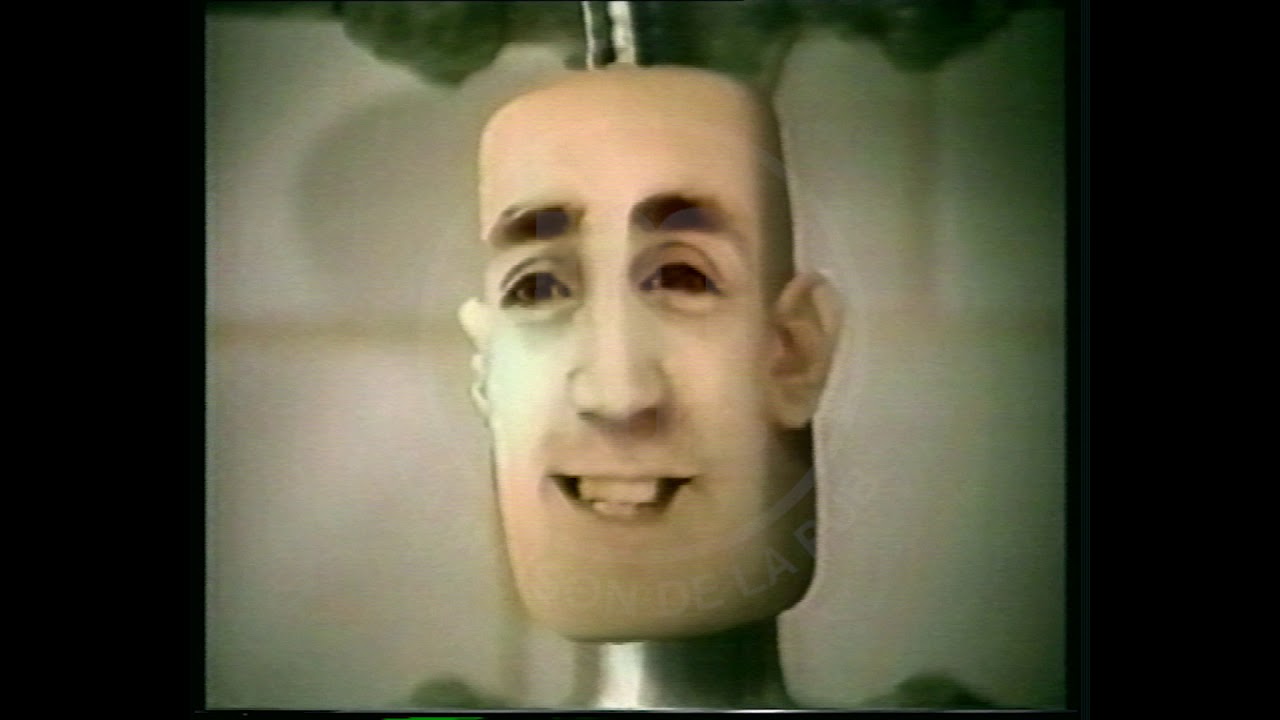
Pepsi - Soap on a Rope
What happens when you let pure chaos into the ad world? You get Pepsi’s “Soap on a Rope” spot. The concept: A guy wishes he could be soap-on-a-rope in Claudia Schiffer’s shower. Innocent enough, right? But this is the ‘90s, so of course, there’s a twist. Instead of Schiffer, the guy-turned-soap is horrified to find himself in the shower with a much larger woman who proceeds to lather up while he makes cartoonishly grossed-out noises. It’s the kind of idea that only the ‘90s could have birthed: shock value humor with a dash of mean-spiritedness. Looking back, the ad feels like a Mad Libs session gone terribly wrong. But for a generation raised on outrageous comedy and “gotcha” punchlines, it probably earned some laughs—albeit the nervous kind. This one’s a relic of when advertisers believed that the more absurd the idea, the better.
Sega 32X - “Birds and the Bees”
Nothing says cutting-edge gaming technology like… an awkward birds-and-the-bees conversation? Sega’s 32X ad took an already cringe-worthy metaphor and stretched it to its absolute limit. The setup: A kid walks in on two Sega machines “making an arcade system,” and his mom’s blasé response doesn’t help. It’s one of those “Are we really doing this?” moments that makes you wonder what boardroom full of adults thought this was the best way to sell gaming peripherals. The humor is juvenile, the metaphor is painfully unsubtle, and the whole thing screams, “We know you’ll laugh because we’re being inappropriate!” In hindsight, it’s like the ‘90s advertising world was playing a constant game of chicken to see who could push boundaries the furthest. Sega certainly gave it a good shot here, and whether it lands as hilariously bold or painfully awkward depends entirely on your sense of humor.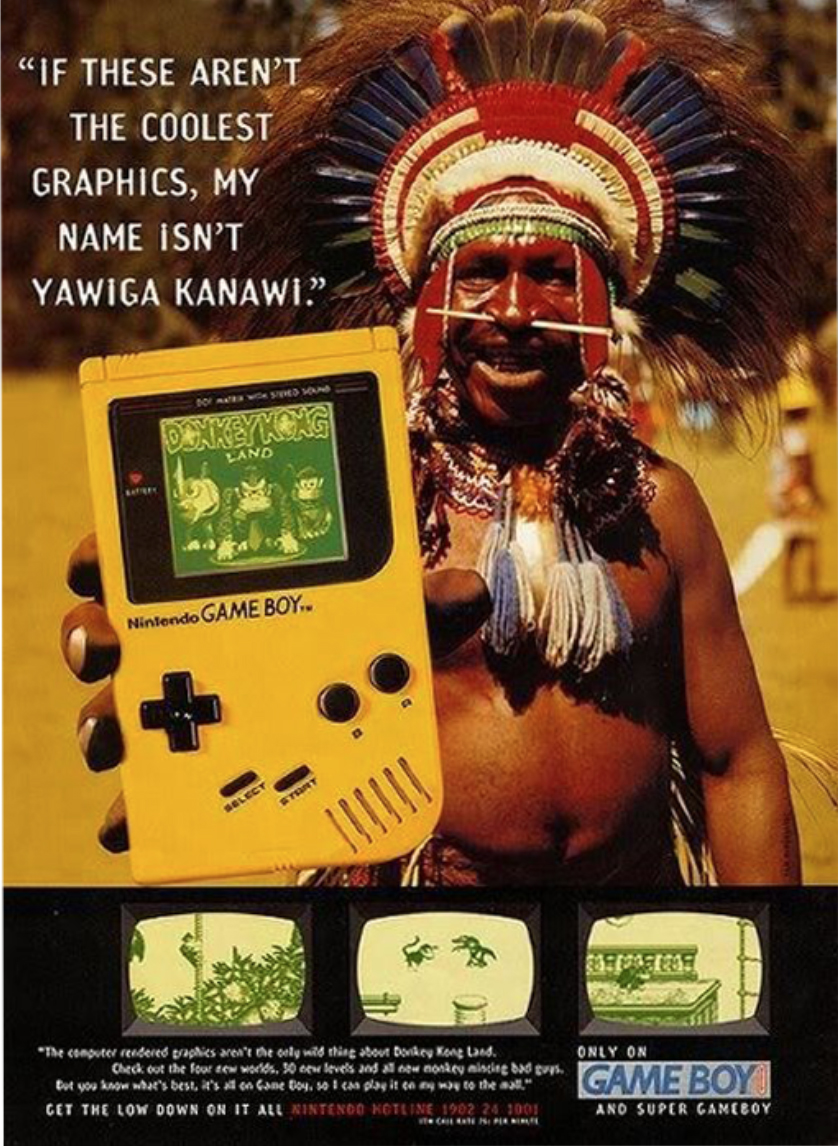
This Super Racist Gameboy Color Ad
And now for the ad that truly went for broke: the Game Boy Color spot that turned all the wrong heads. Featuring a man in traditional tribal attire holding a Game Boy, this ad is the kind of jaw-dropper that makes you pause and think, “Wait, how did this get approved?” It’s hard to tell what the creative team was aiming for here—something edgy? Global appeal? Either way, it’s impossible to look at this without wincing. This is peak 1990s “let’s be bold” marketing, where being noticed was more important than, well, anything else. It’s so brazenly out of touch that it almost feels like a parody, except it’s very real. A relic of its time, this ad serves as a reminder that sometimes, even in the name of fun, it’s possible to go way, way too far.