

Only '90s Mallrats Will Remember These Trends
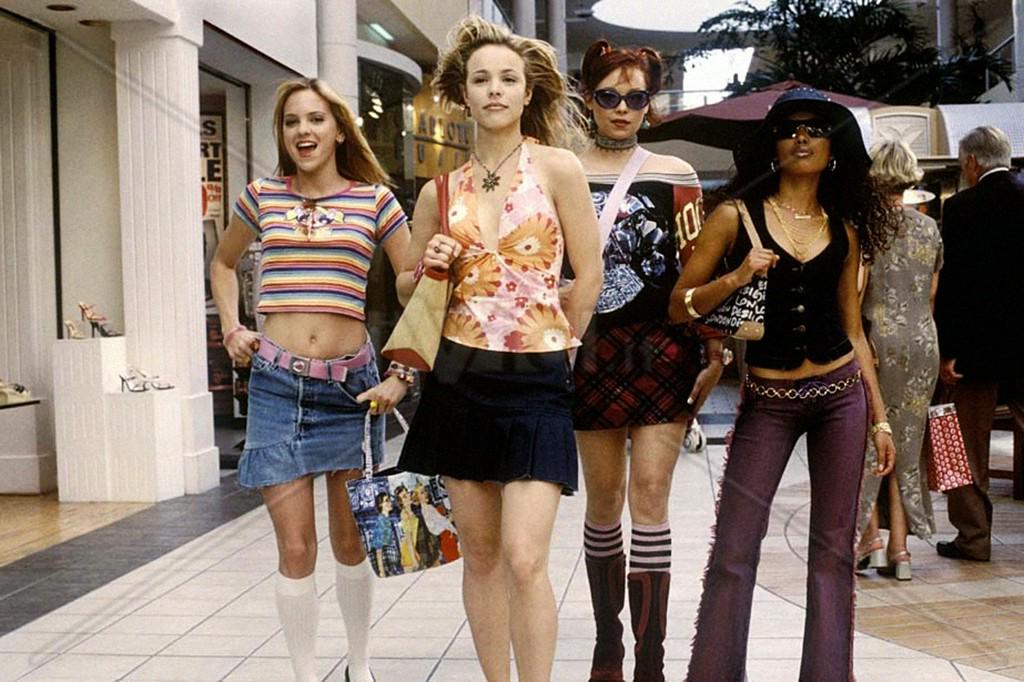
The 90s were the golden age of the mall—a social hub where teens spent weekends, families shopped for everything from clothes to gadgets, and food courts were the place to be seen. But beyond the stores and the snacks, the mall was home to some truly bizarre trends that shaped the era’s culture. From kitschy aesthetics to weirdly specific stores, these trends weren’t just strange—they were iconic in their own way. Let’s take a closer look at the strangest phenomena of 90s mall culture and why they still make us nostalgic today.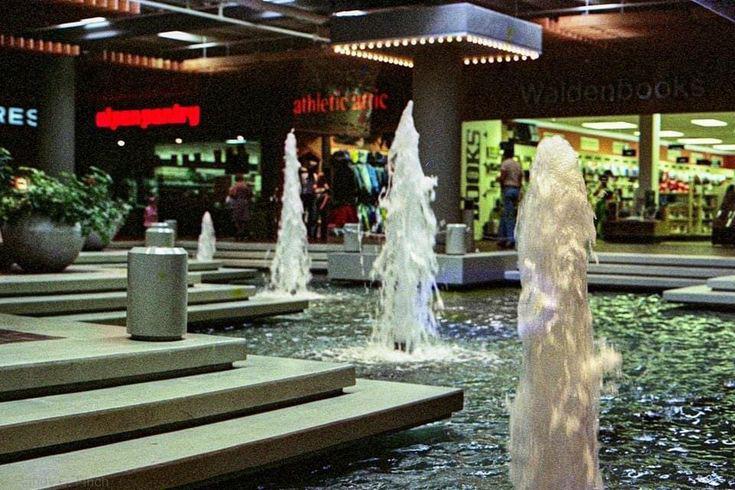
Indoor Fountains as Centerpieces
No 90s mall was complete without an oversized indoor fountain as its showpiece. Often located in the center of the mall or near a major entrance, these fountains weren’t just decorative—they were destinations. Teens tossed in coins while making wishes, and younger kids marveled at the cascading water displays. Some malls even went overboard, adding colored lights or synchronized “dancing” water shows. These fountains served no practical purpose, but they became a quintessential part of the mall experience. They were often surrounded by benches, making them prime meeting spots or places to rest while lugging around shopping bags. Looking back, the trend seems like an odd attempt to bring “class” or serenity to an environment defined by commercialism. Still, there’s something oddly comforting about the memory of these fountains—an aesthetic relic of an era when malls wanted to offer more than just shopping.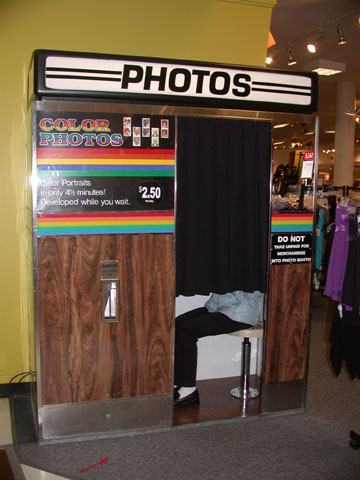
Photo Booths for Every Occasion
Long before selfies ruled the world, mall-goers flocked to photo booths to capture candid moments. These machines, tucked into corners near arcades or food courts, were especially popular with teens who wanted to memorialize their mall trips with friends. The process was a ritual: squishing into the booth, laughing through the flashes, and then eagerly waiting for the strip of photos to print. For many, these photos were treasured keepsakes, often stuck into locker doors or slid into wallets. Some booths even offered themed backdrops or digital overlays, like tropical beaches or neon 90s patterns. While the trend might seem quaint now, photo booths captured a unique moment in time when capturing memories was deliberate rather than instantaneous. They were more than machines—they were part of the social fabric of mall culture, giving everyone a chance to feel like a star for a few frames.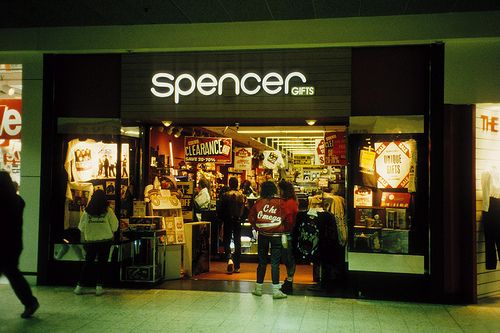
Novelty Stores Full of Weird Gadgets
Stores like Spencer’s Gifts and Sharper Image turned browsing into an event. Spencer’s was infamous for its combination of gag gifts, edgy T-shirts, and blacklight posters that teens found irresistibly rebellious. Meanwhile, Sharper Image catered to adults with its bizarre array of high-tech gadgets no one really needed, like massaging chairs, personal air purifiers, and strange clocks. These stores weren’t just about shopping—they were experiences. Wandering through Spencer’s meant laughing at inappropriate greeting cards and lava lamps, while Sharper Image let you try out massage chairs that were way out of your price range. Both stores embodied the excess and whimsy of 90s consumer culture. Whether you were buying or just looking, they were places to kill time and discover something totally unnecessary yet undeniably cool.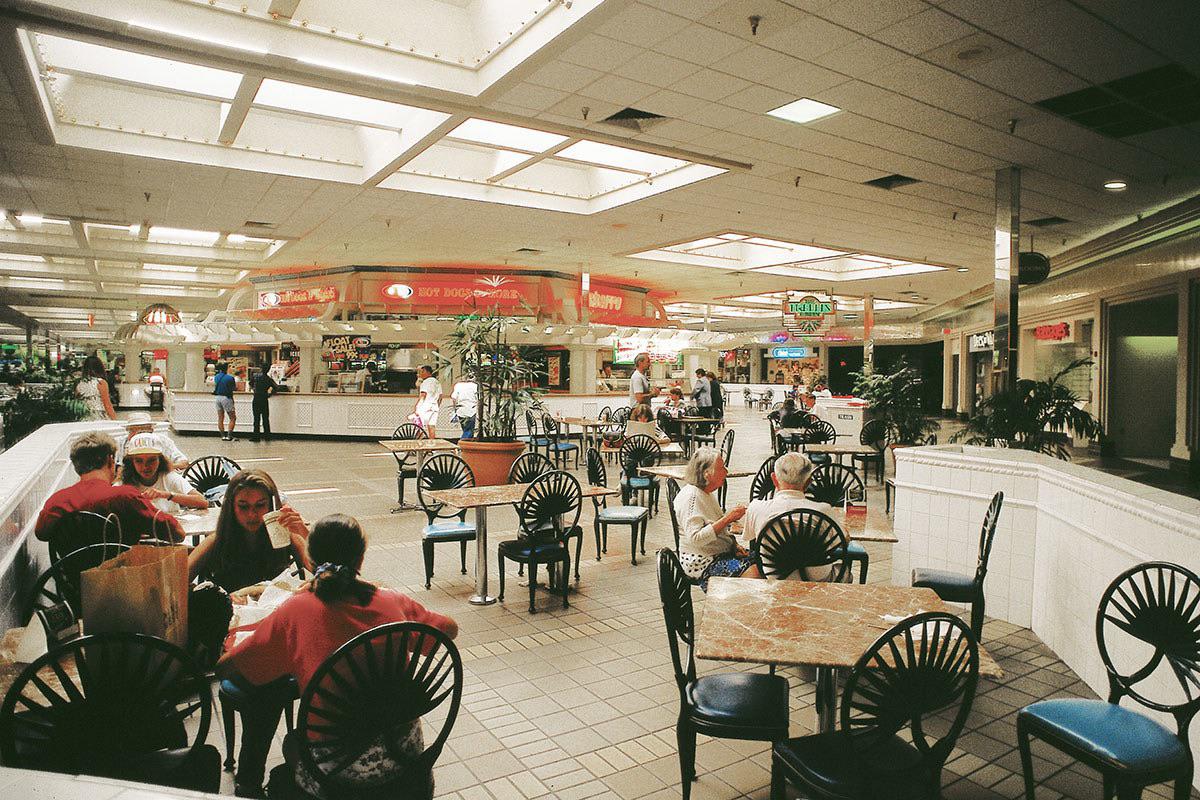
The Food Court as a Social Scene
The food court wasn’t just a place to grab a bite—it was a cultural epicenter. Teens claimed tables as their unofficial hangout spots, chatting over Cinnabon and Orange Julius while avoiding adults as much as possible. With its eclectic mix of options—everything from Sbarro’s pizza slices to Panda Express—the food court was also a symbol of 90s globalization and fast-food innovation. Neon signage and plastic seating gave the spaces a futuristic yet strangely impersonal vibe. And let’s not forget the iconic trays, which often became canvases for spilled soda and crumpled napkins. Food courts weren’t just about eating; they were about seeing and being seen. Whether you were a skater kid with Vans or a preppy Abercrombie shopper, the food court was where all tribes crossed paths, making it a microcosm of 90s mall culture.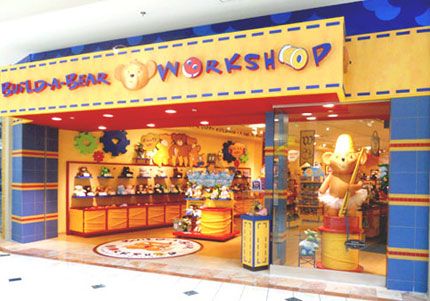
Build-A-Bear Workshop’s Over-the-Top Customization
Build-A-Bear Workshop revolutionized mall shopping by turning stuffed animals into fully customizable companions. Walking into one of their stores was like entering a whimsical factory where you could pick out a “skin,” stuff it to your desired fluffiness, and even add a voice box. The final step—outfitting your bear in tiny clothes and accessories—made the process equal parts fun and absurd. For many kids, it was a magical experience; for parents, it was a pricey ordeal that often ended in tears if a sibling’s bear looked “cooler.” The over-the-top customization turned something as simple as a teddy bear into an elaborate (and expensive) ritual. Looking back, Build-A-Bear’s success speaks to the 90s obsession with personalization and consumer choice, even if it sometimes felt like overkill.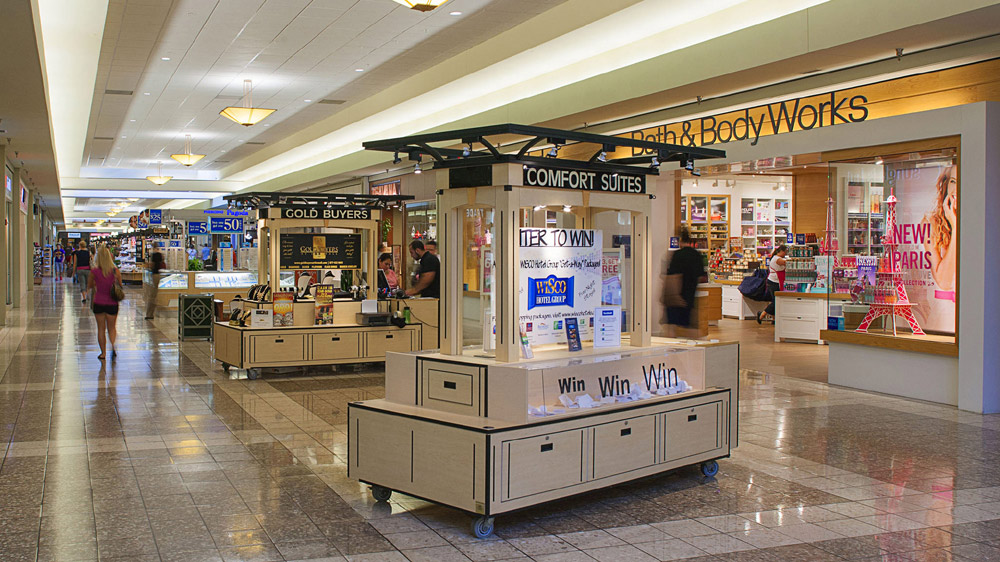
Kiosks Selling Literally Everything
Mall kiosks were like mini treasure troves (or traps, depending on your perspective). They sold everything from Beanie Babies to cheap jewelry, remote-controlled helicopters, and eyebrow threading services. Some specialized in hyper-specific niches, like personalized name keychains or knockoff designer sunglasses. Kiosk attendants were also notorious for their aggressive sales tactics, often catching shoppers off guard with lines like, “Can I show you something amazing?” Despite their slightly chaotic vibe, kiosks added an element of unpredictability to the mall. You never knew what you’d stumble upon—a glittery phone case, a novelty back scratcher, or a questionable beauty product. While they often felt like the underdog of mall shopping, kiosks thrived by offering quirky, low-commitment buys that added character to the mall experience.
The Rise of Indoor Mini-Amusement Parks
Some malls took entertainment to the next level by adding indoor amusement parks. Places like Mall of America featured full-blown roller coasters and Ferris wheels, turning shopping trips into all-day adventures. Even smaller malls jumped on the trend, adding carousels or play areas with colorful slides and ball pits. These spaces were a godsend for parents needing to distract their kids, but they also highlighted the 90s mall’s role as a destination rather than just a retail space. While these attractions were undeniably fun, they often felt hilariously out of place, nestled between a JCPenney and a Foot Locker. They turned the act of shopping into an event, blurring the lines between commerce and entertainment in ways that now seem both genius and bizarre.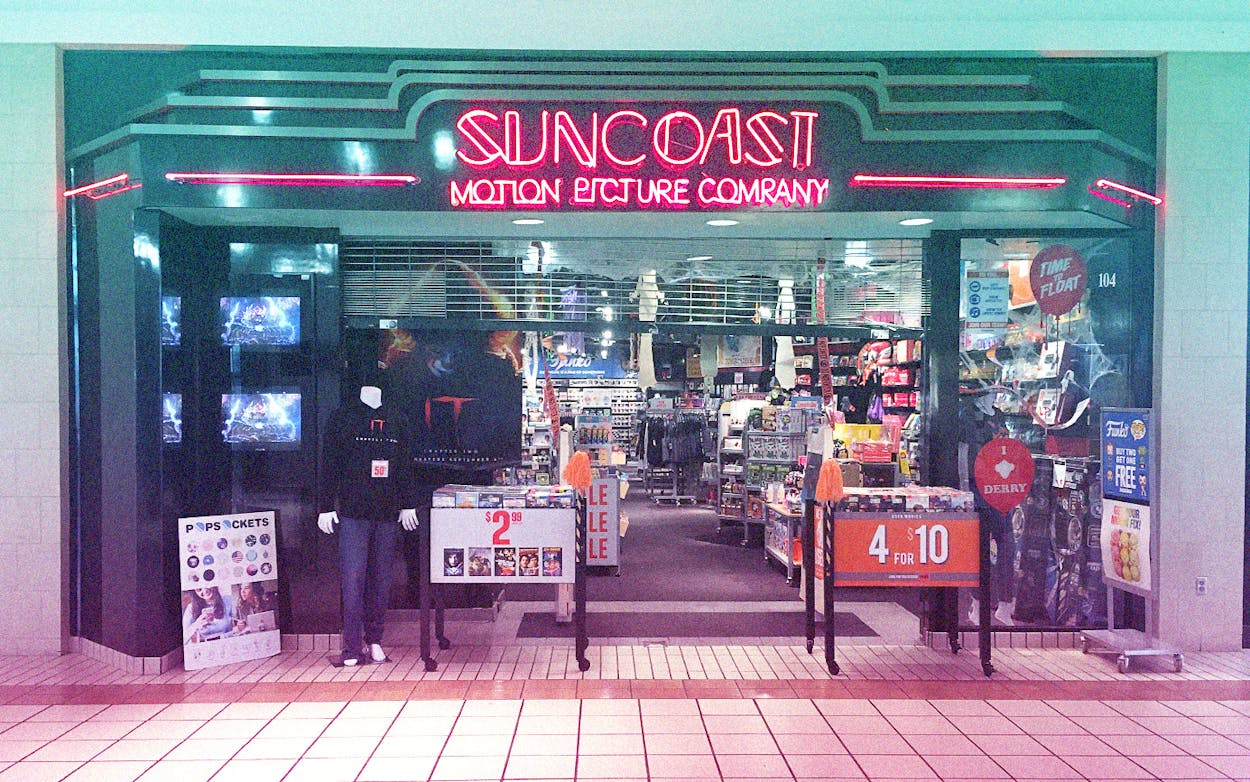
Oversized Storefront Displays That Made No Sense
The 90s were an era of maximalism, and nowhere was this more apparent than in the extravagant window displays of mall stores. Places like The Disney Store turned their entrances into mini theme parks, complete with animatronic characters and elaborate set pieces. Clothing stores like Limited Too or Wet Seal would often feature mannequins in wildly impractical outfits surrounded by neon lights and fake greenery. These displays weren’t just designed to sell—they were designed to grab your attention, even if they had nothing to do with the merchandise inside. While today’s storefronts focus on sleek minimalism, the over-the-top displays of the 90s were a testament to the “go big or go home” mentality of the decade.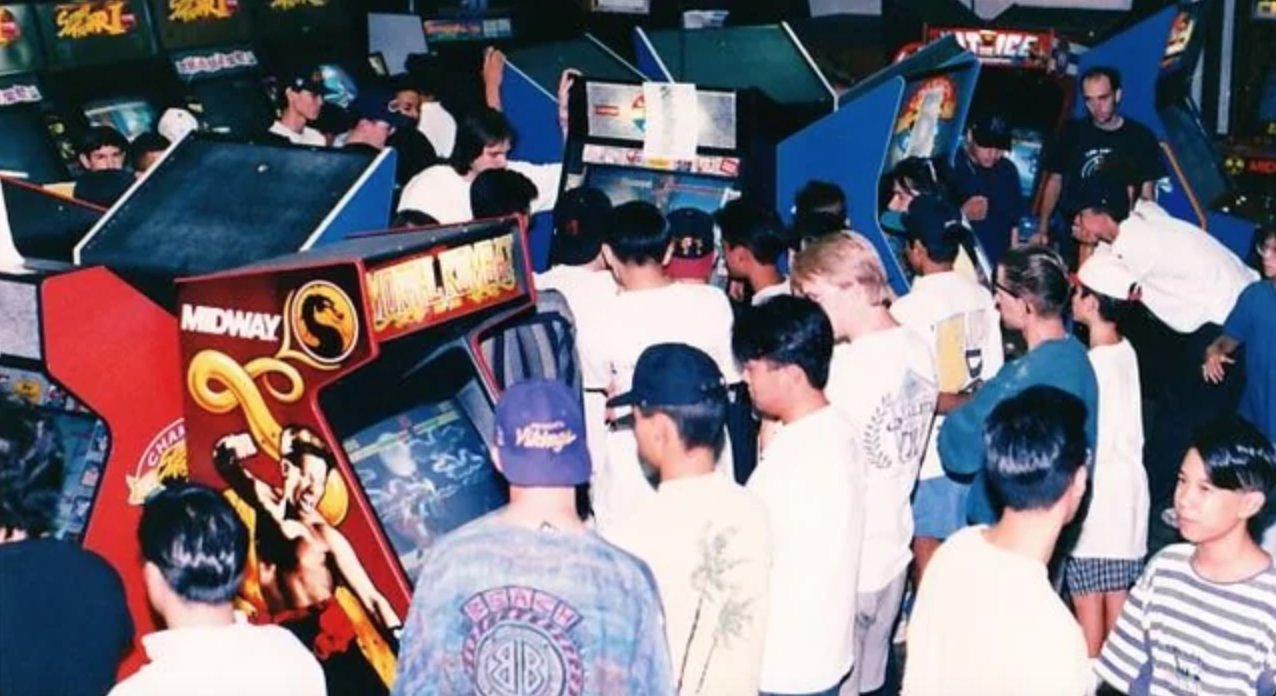
Arcades as a Social Hub
Before home consoles took over, arcades were the heart of the mall’s entertainment scene. Packed with flashing lights and the sound of coins clinking into machines, these spaces were a haven for gamers and teens looking to kill time. Games like Mortal Kombat and Dance Dance Revolution weren’t just entertainment—they were competitions, drawing crowds to watch the most skilled players. The arcade wasn’t just about gaming; it was about community, with kids from different cliques coming together over shared high scores. Looking back, the mall arcade feels like a relic of a bygone era, a place where quarters were king, and friendships were forged over shared screens. The decline of arcades in the late 90s marked the end of a uniquely social form of gaming, but their role in mall culture remains legendary.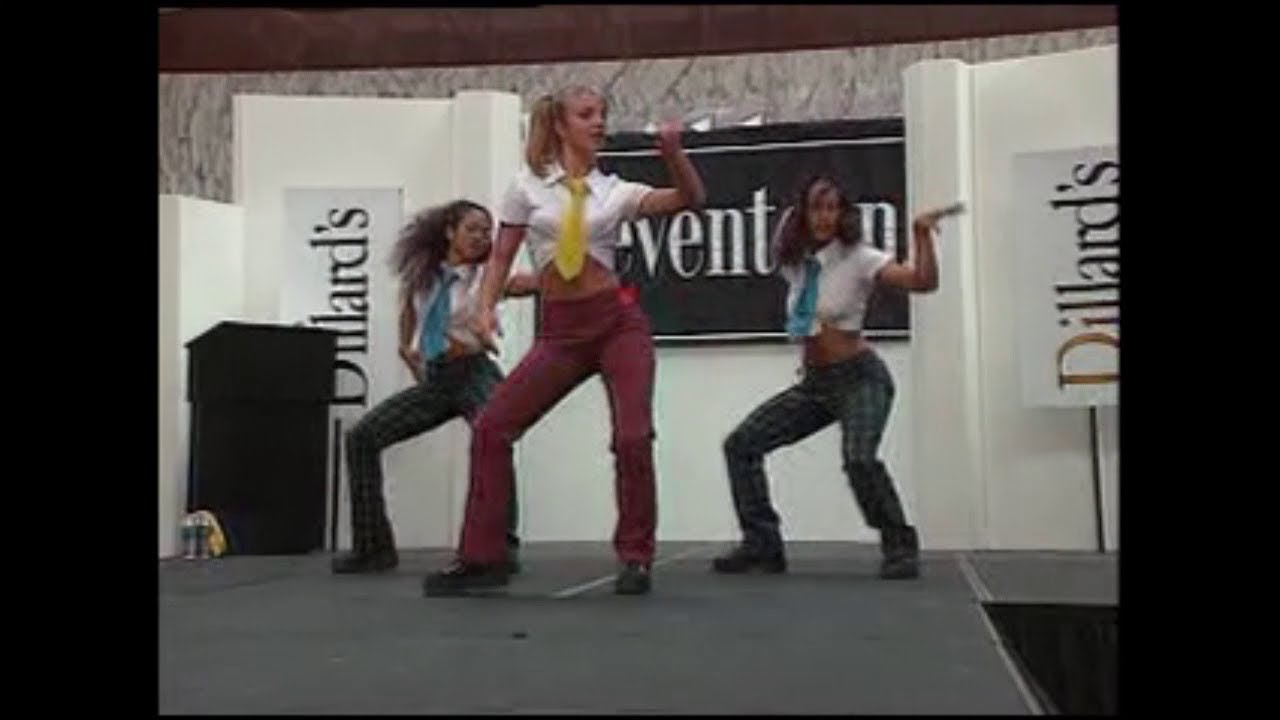
Cringey Live Performances
Whether it was a local cover band, a karate demonstration, or Santa arriving in a full parade, malls in the 90s were known for their live events. Stages popped up in atriums or near food courts, drawing crowds of shoppers who either stopped out of curiosity or awkwardly avoided eye contact. Teen pop acts and beauty pageants were mall staples, offering small doses of fame to those who performed. These events often felt random and out of place, yet they added a sense of community to the mall experience. For those who dared to take the stage, it was a chance to shine—or cringe—under the fluorescent lights. Love them or hate them, these performances were as much a part of 90s malls as the stores themselves.