

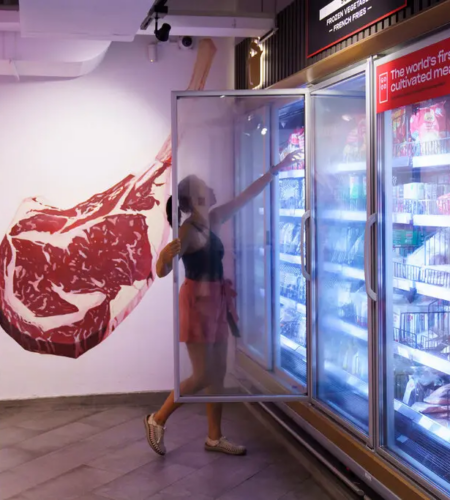
The quest for sustainable food solutions has never been more critical as the world grapples with the escalating impacts of climate change, food security concerns, and a growing demand for resources. The traditional methods of meat production, which significantly contribute to greenhouse gas emissions and deforestation, are increasingly being scrutinized. In response, innovations in plant-based and lab-grown meats are emerging as pivotal elements in this global effort. These advancements hold the promise of revolutionizing the food industry by offering alternatives that not only aim to reduce our environmental footprint but also address the pressing challenges of food production and consumption. As we seek to balance the needs of a growing population with the health of our planet, these cutting-edge technologies represent a beacon of hope for a more sustainable and equitable food system.
The Rise of Lab-Grown Meat

Lab-grown meat, also known as cultivated meat, represents a groundbreaking shift in how we produce animal proteins. Instead of raising and slaughtering livestock, this technology involves cultivating meat from animal cells in a controlled environment. Singapore has emerged as a pioneer in this field, becoming the first country to approve lab-grown meat for commercial sale in 2020. This small city-state, which imports 90% of its food due to its limited land, has invested heavily in developing these technologies. From insects to protein-rich powders synthesized from air, Singapore’s ambitious food production experiments reflect its urgent need to secure a sustainable food future. However, the high cost of production remains a significant hurdle, with prices for cultivated meat currently around $5.30 for a quarter-pound serving. The Singapore Food Agency aims to reduce these costs from $120 per kilogram to between $6 and $17 by the end of the decade, which could make lab-grown meat more accessible globally.
Globally, lab-grown meat has seen various milestones. In 2023, the United States joined the ranks of countries approving cultivated meat for sale, although some states, like Florida, have imposed restrictions. Additionally, in September 2019, the International Space Station made headlines by producing the first cultivated beef steak in space, demonstrating the potential for this technology beyond Earth.
Plant-Based Alternatives: Hitting a Roadblock?

Plant-based meat alternatives have been touted as the future of sustainable food, with companies like Impossible Foods and Beyond Meat leading the charge. These products, designed to mimic the taste and texture of traditional meat, claim to produce significantly fewer greenhouse gas emissions and require less land compared to conventional beef. Despite their promising environmental benefits, the plant-based meat sector has faced challenges in recent years. High-profile partnerships with major fast-food chains, such as Dunkin’ Donuts, Burger King, and Taco Bell, have not met expectations, leading to a slowdown in market growth.
The reasons behind this slowdown are multifaceted. Some experts argue that the quality of plant-based meats has not lived up to consumer hype, while others point to high prices and the impact of inflation on consumer willingness to pay a premium. Additionally, the traditional meat industry has actively discredited plant-based products, further complicating their market acceptance. Health concerns over processed foods and a general skepticism about the sustainability of these alternatives have also played a role.
Innovative Solutions and Future Prospects

As the alternative-protein industry navigates these challenges, innovative solutions continue to emerge. Researchers at Yonsei University in South Korea have combined cultivated beef cells with rice to create a protein-fortified, eco-friendly food source. This blend not only offers a more affordable protein option but also reduces the carbon footprint compared to conventional beef, making it a potential game-changer for food-insecure regions.
The alternative-protein landscape is at a critical juncture. While plant-based meats and lab-grown alternatives have made significant strides, they must overcome barriers related to cost, consumer acceptance, and industry resistance. As technology evolves, there is hope that these innovations will become more mainstream, providing sustainable and nutritious options for a growing global population.
In conclusion, the future of food lies in embracing these advancements and addressing the challenges they face. From lab-grown meats in Singapore to innovative plant-based solutions and protein-rich rice blends, the potential for a more sustainable and secure food system is within reach. As research and development continue, these technologies may well transform the way we eat and contribute to a more resilient global food system.
