


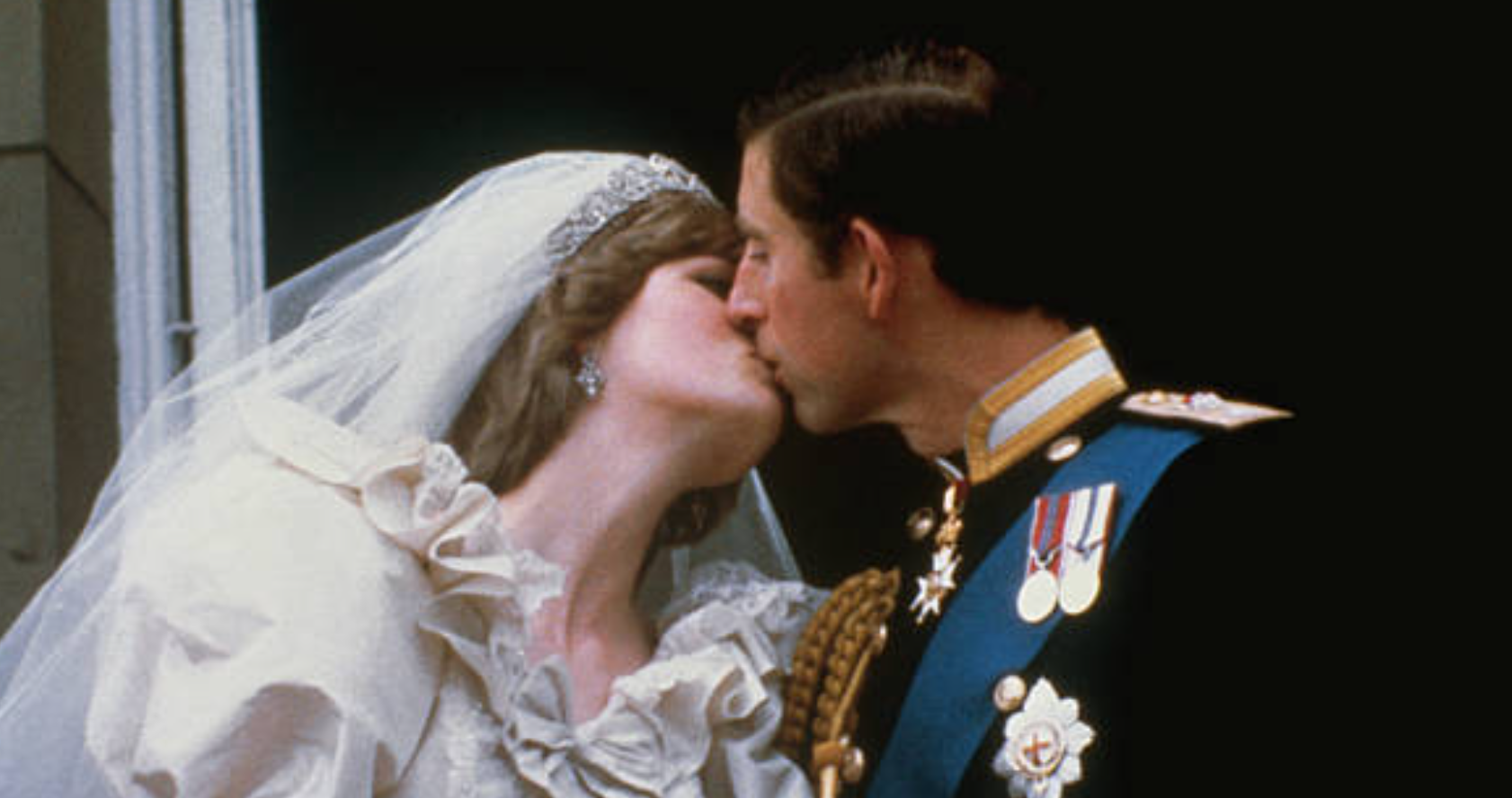
1982: She gave birth to her first son, Prince William, who became second in line to the British throne.
1984: Diana gave birth to her second son, Prince Harry, who became third in line to the throne.
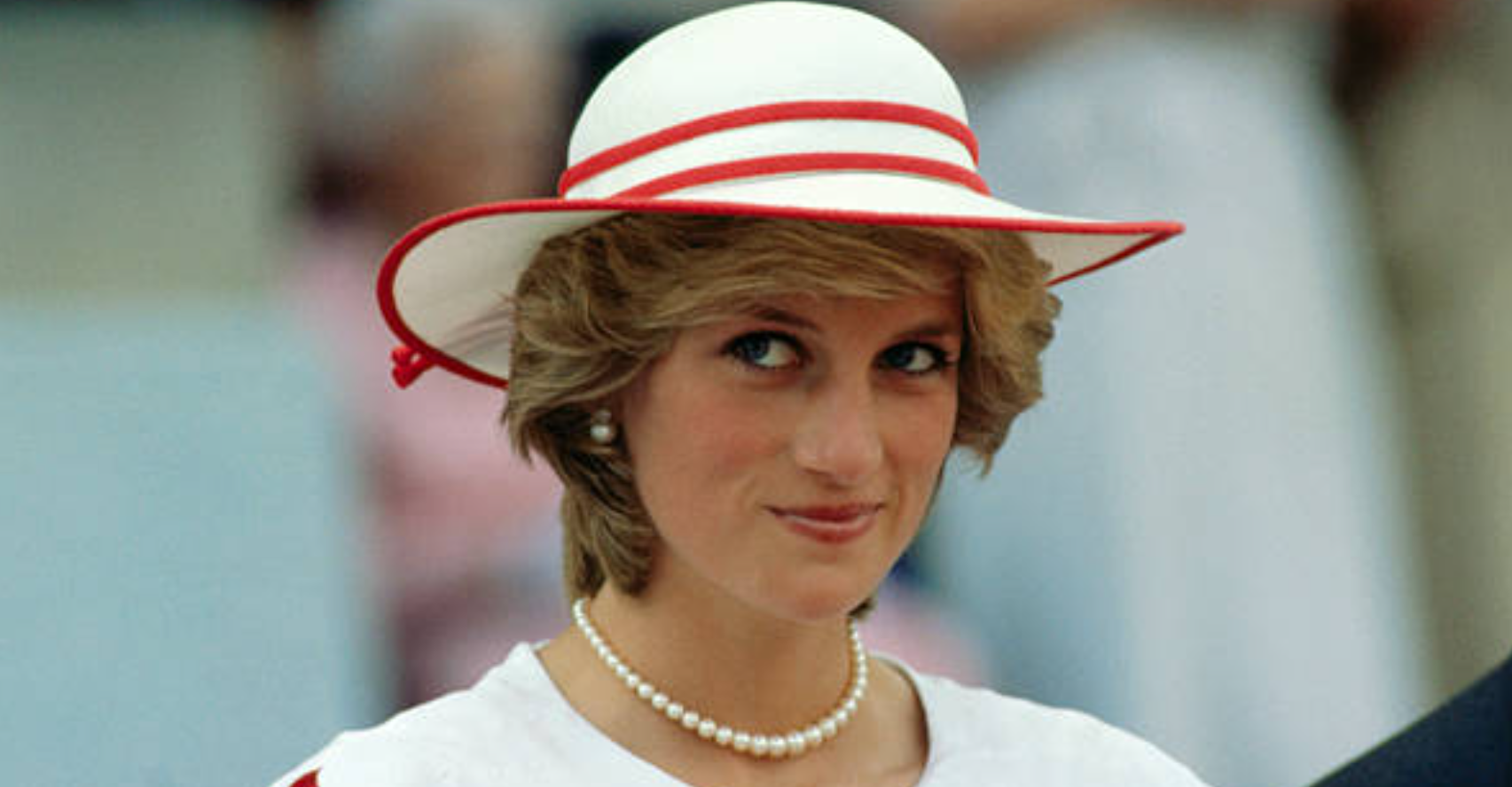
1985: Diana began her extensive charity work, focusing on various causes, including children’s hospitals and organizations.
1987: She famously shook hands with an AIDS patient, challenging stigma and raising awareness about the disease.
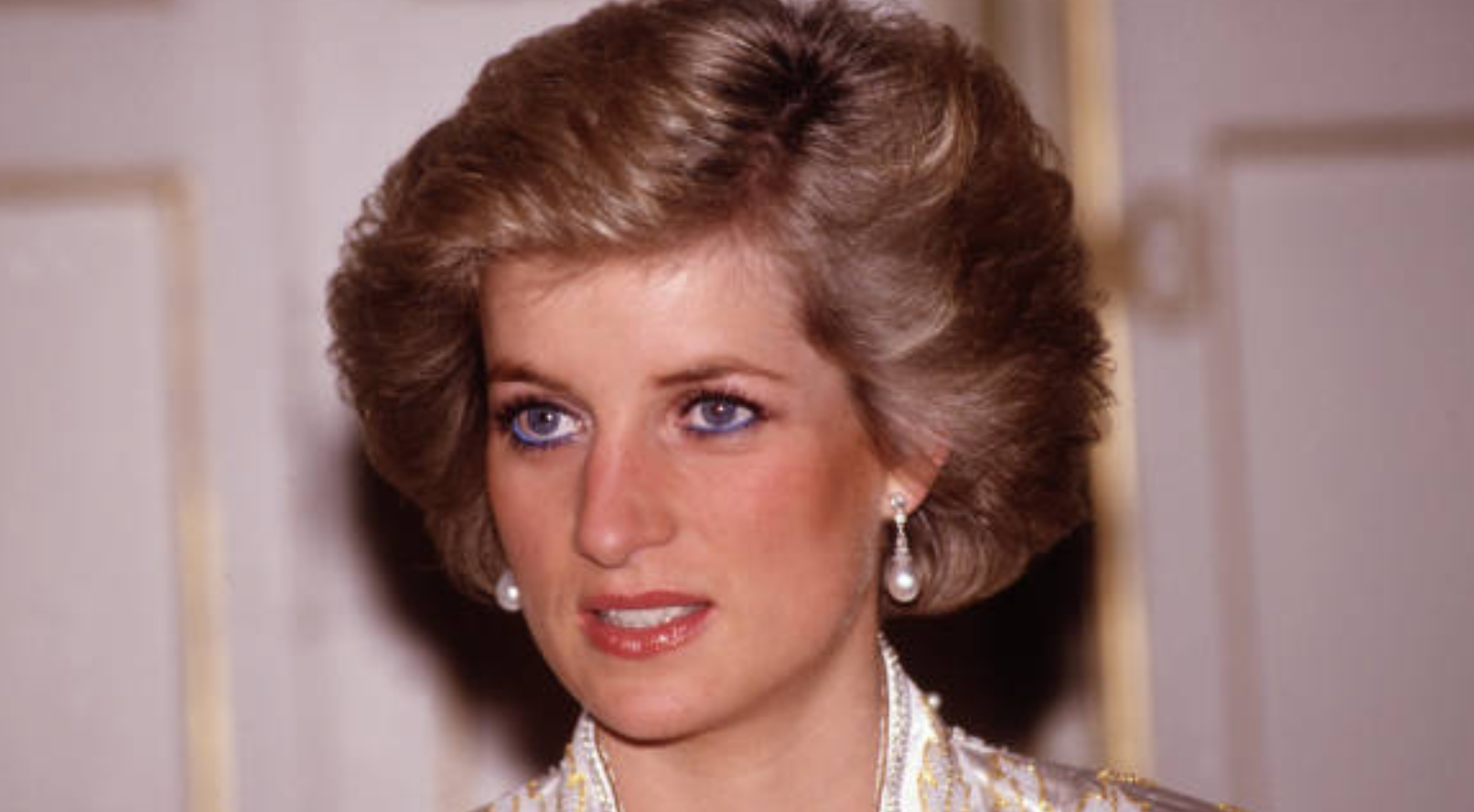
1989: Diana became the first royal to visit a homeless shelter, further establishing her commitment to charitable work.
1990: She was recognized with the “Humanitarian of the Year” award by the American Red Cross for her charitable contributions.

1991: Diana became a patron of the National AIDS Trust, advocating for AIDS awareness and education.
1992: She separated from Charles, leading to increased media attention and public scrutiny.

1992: Diana was featured on the cover of Vogue, marking her status as a fashion icon.
1995: In a televised interview with Martin Bashir, Diana discussed her struggles with mental health and her marriage, gaining widespread public empathy.

1995: She became the first royal to publicly advocate for the removal of landmines, drawing international attention to the issue.
1996: Diana and Charles finalized their divorce, with her retaining the title “Princess of Wales” but no longer being referred to as “Her Royal Highness.”
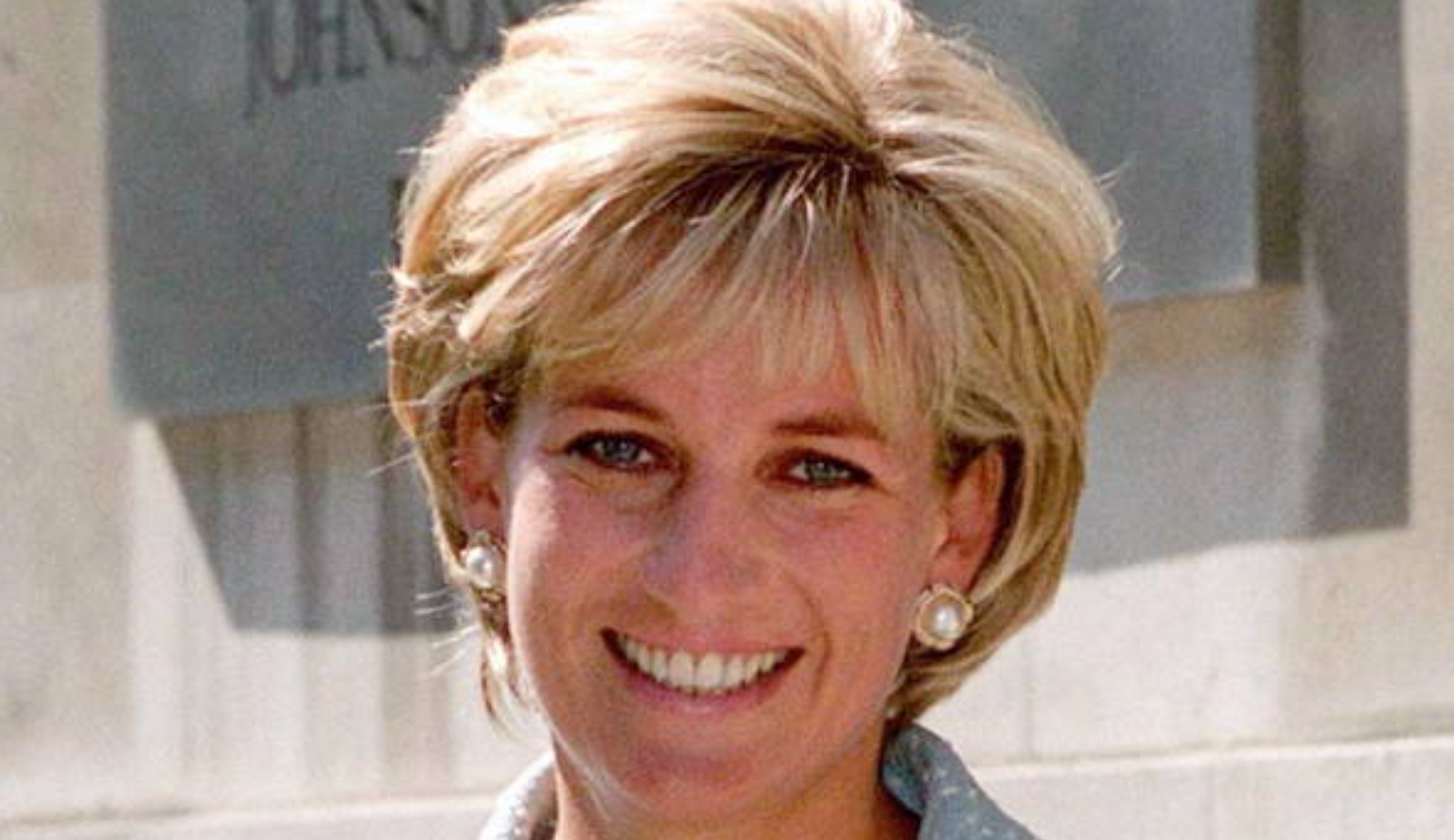
1996: She was awarded the “Humanitarian Award” from the United Nations for her work on landmines.
1997: Diana founded the Diana, Princess of Wales Memorial Fund to continue her charitable work after her passing.

1997: She was involved in a high-profile campaign for the International Campaign to Ban Landmines, which won the Nobel Peace Prize.
1997: Diana was named one of the “100 Most Influential People in the World” by Time magazine.
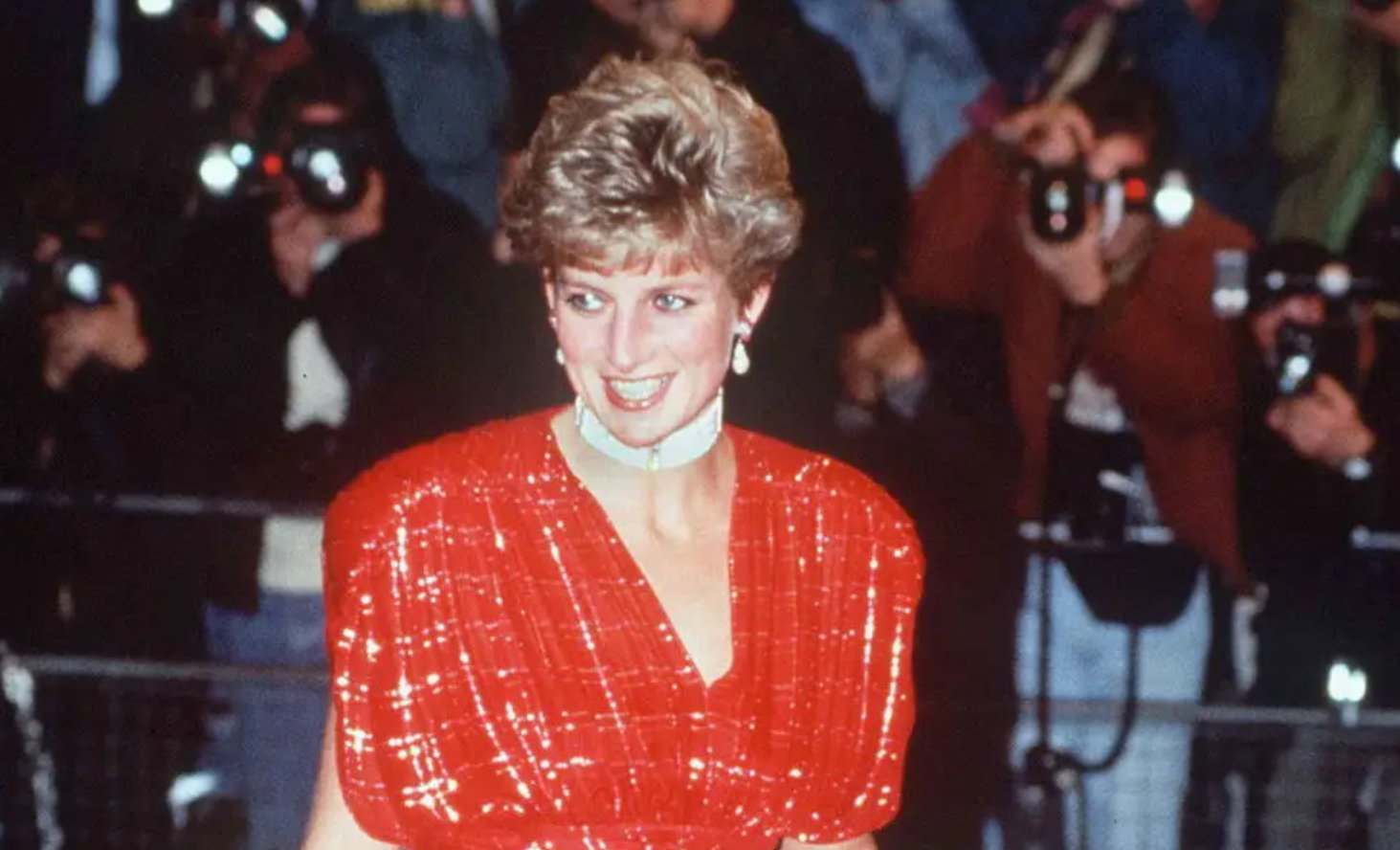
1997: She attended a charity gala for the English National Ballet, showcasing her ongoing commitment to the arts.
1997: Diana’s fashion choices during this period solidified her status as a global style icon, influencing designers and fashion trends.
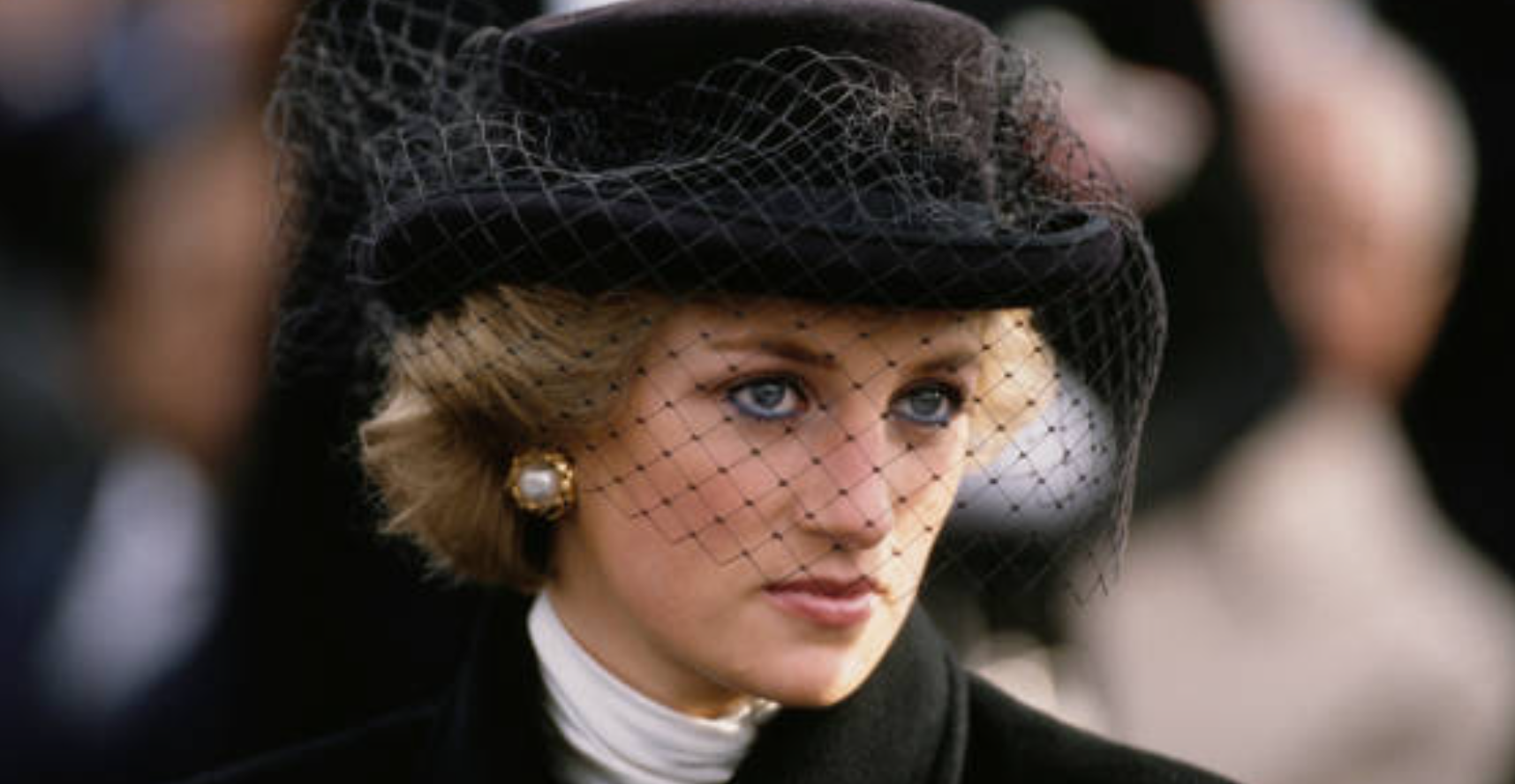
August 1997: Diana tragically died in a car crash in Paris, sparking worldwide mourning and media frenzy.
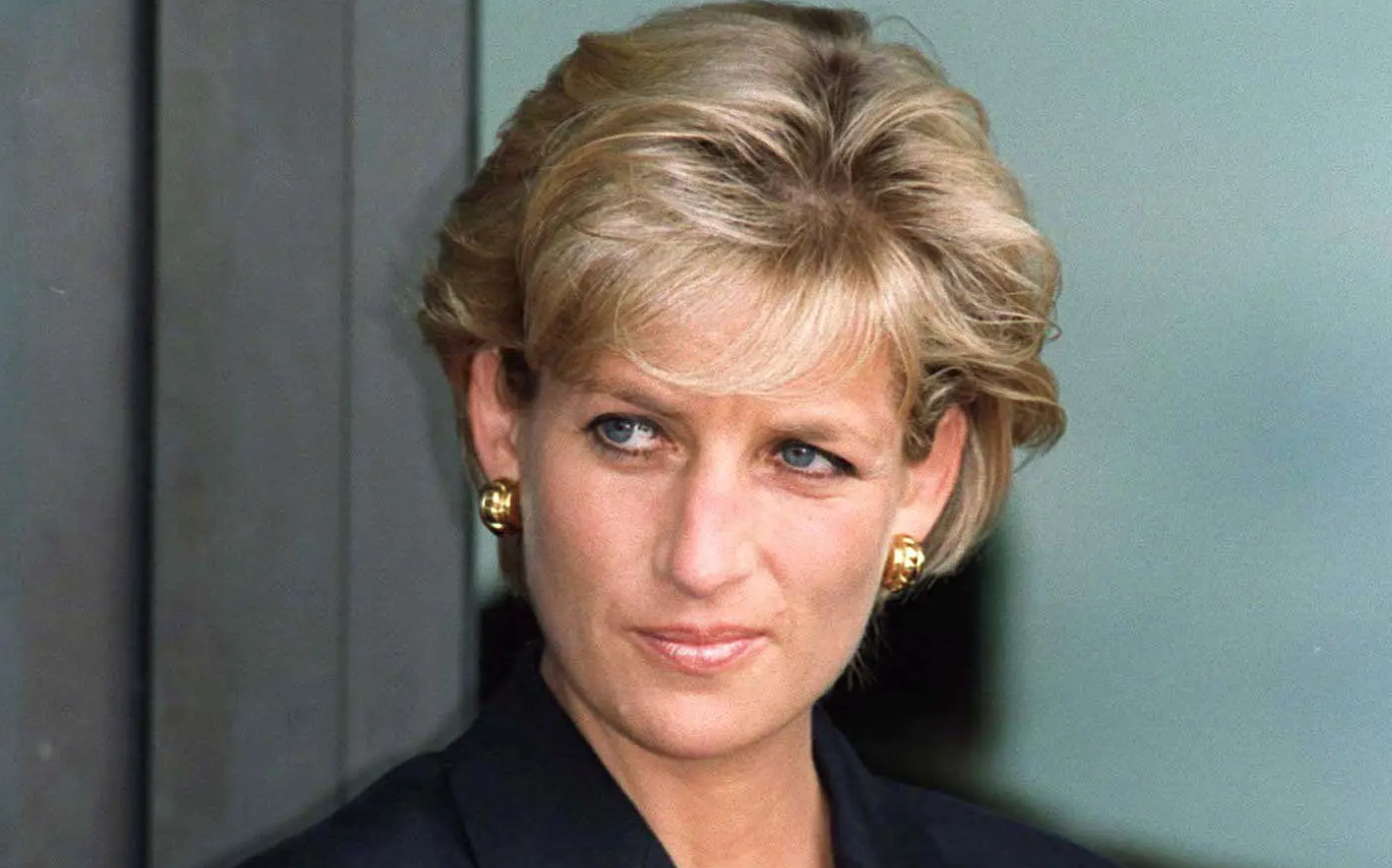
1997: An inquest into her death concluded with a verdict of unlawful killing, leading to discussions about media intrusion and royal family dynamics.
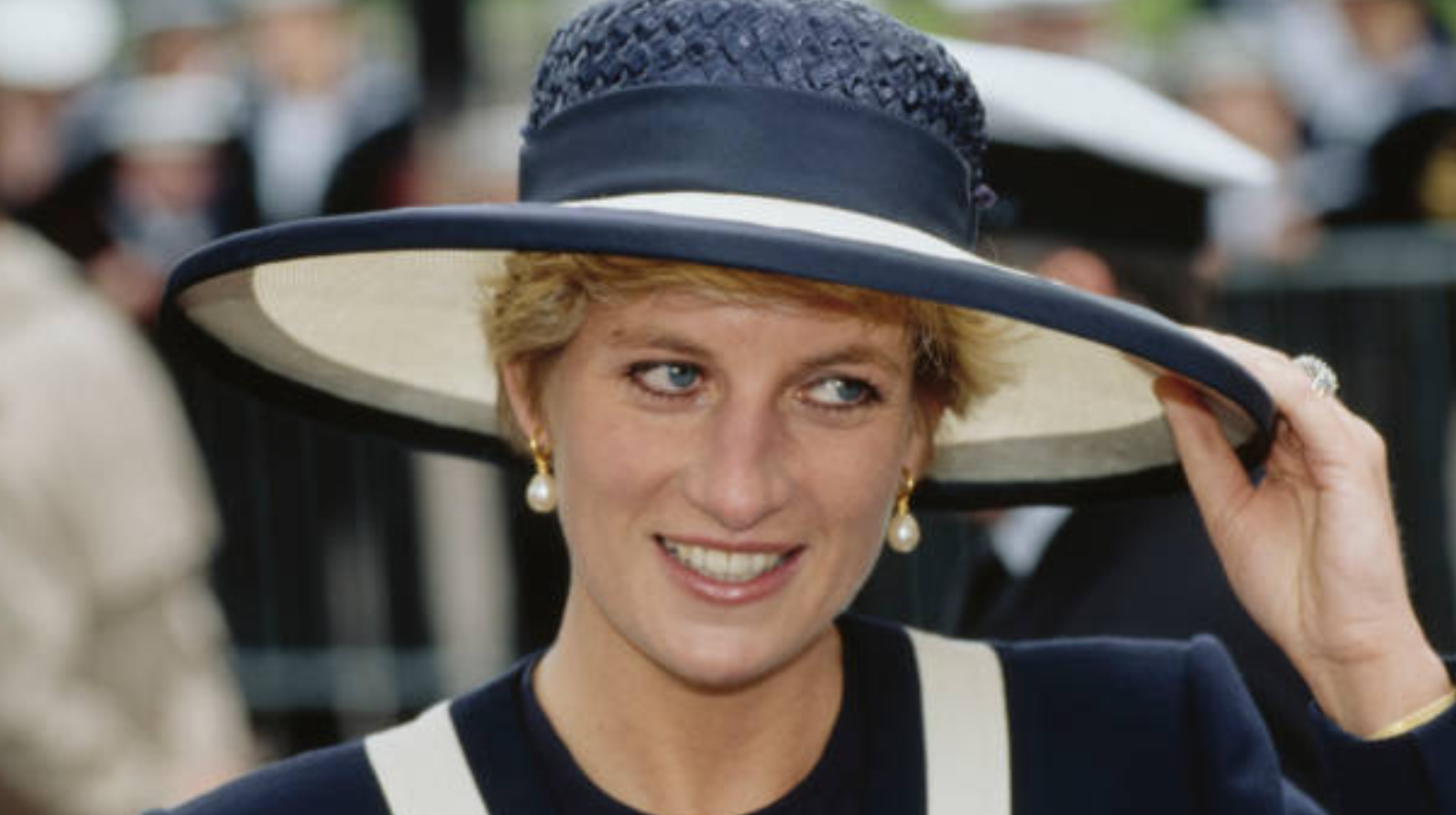
1998: The Diana Memorial Fund was established to support various charitable organizations in her honor.

2007: The Diana Memorial Fountain was opened in Hyde Park, London, celebrating her life and legacy.
2017: The 20th anniversary of her death was marked by global tributes, reflecting on her impact on the royal family and society.
