

My Heart Will Go On
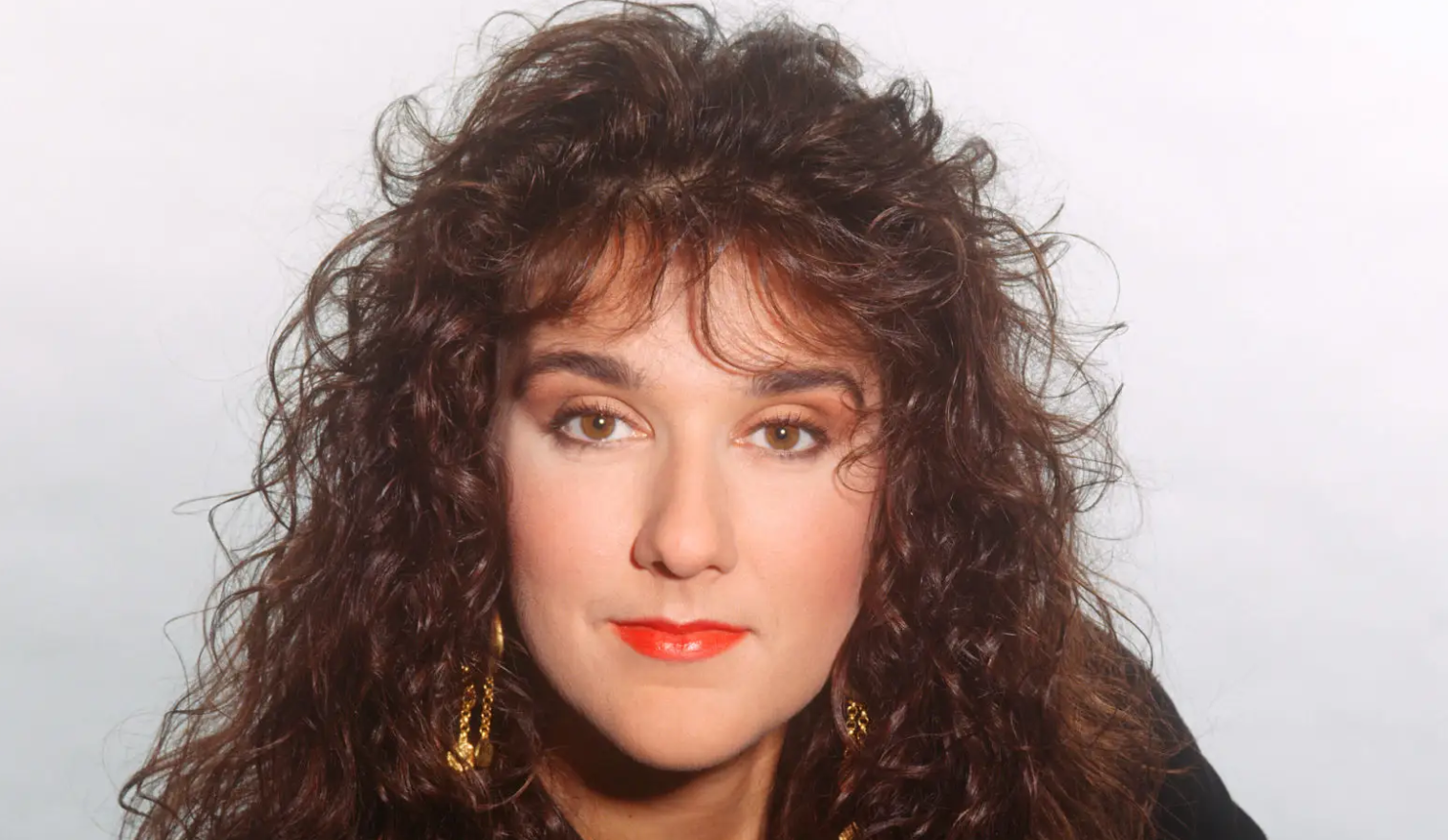
Céline Dion, born on March 30, 1968, in Charlemagne, Quebec, rose to prominence as a Canadian singer known as the “Queen of Power Ballads.” Her powerful vocals created several best-selling albums, including Falling into You and Let’s Talk About Love. She is perhaps best known for singing the iconic song, “My Heart Will Go On.” Join us in this slideshow as we revisit Dion’s life and career, as well as her iconic song, “My Heart Will Go On.”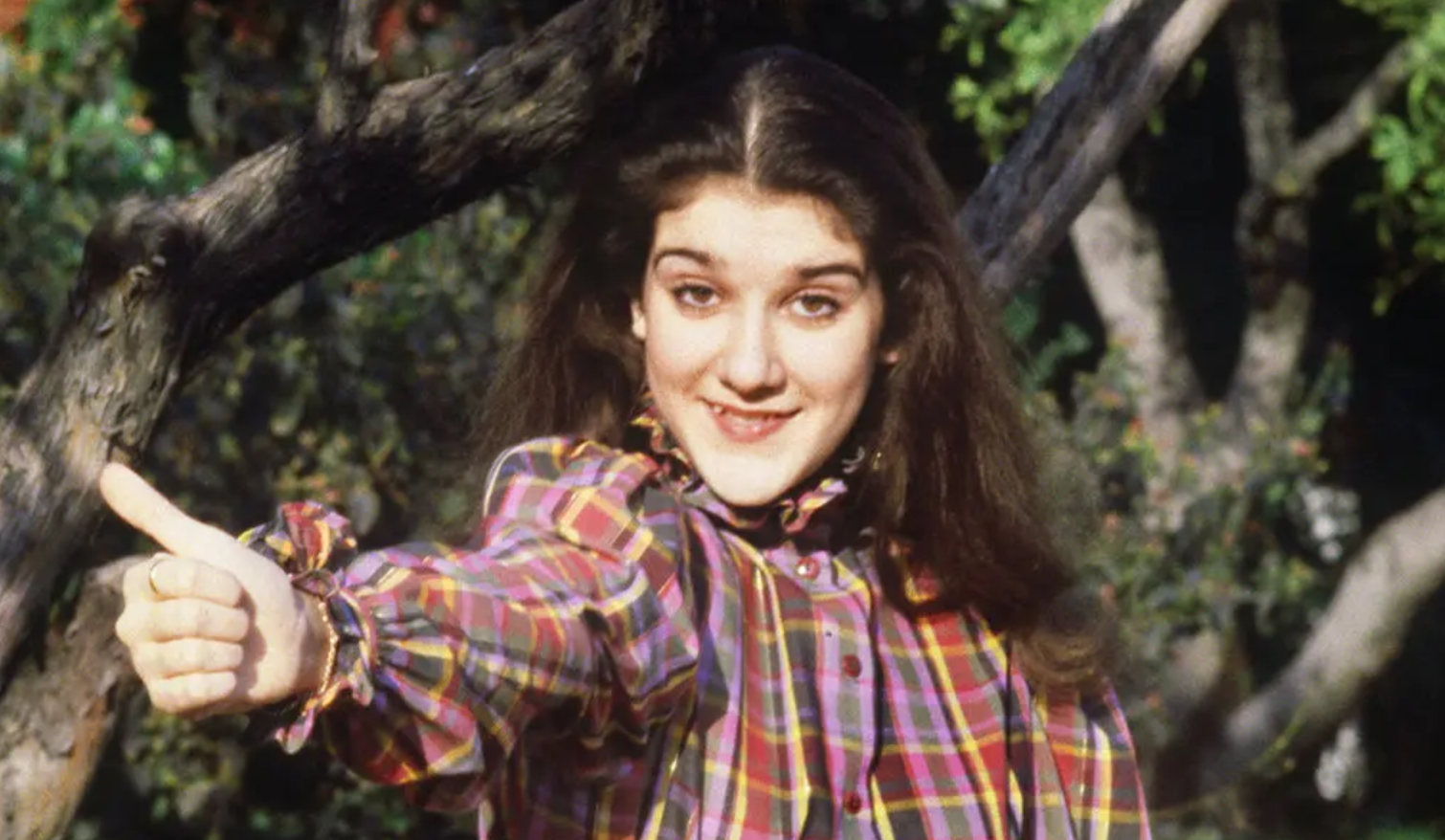
Performed publicly
Céline Dion performed publicly for the first time at age 5 at her brother’s wedding and began singing in her parents’ piano bar, Le Vieux Baril. At age 12, she co-wrote her first song, “Ce n’était qu’un rêve,” which led to her discovery by music manager René Angélil.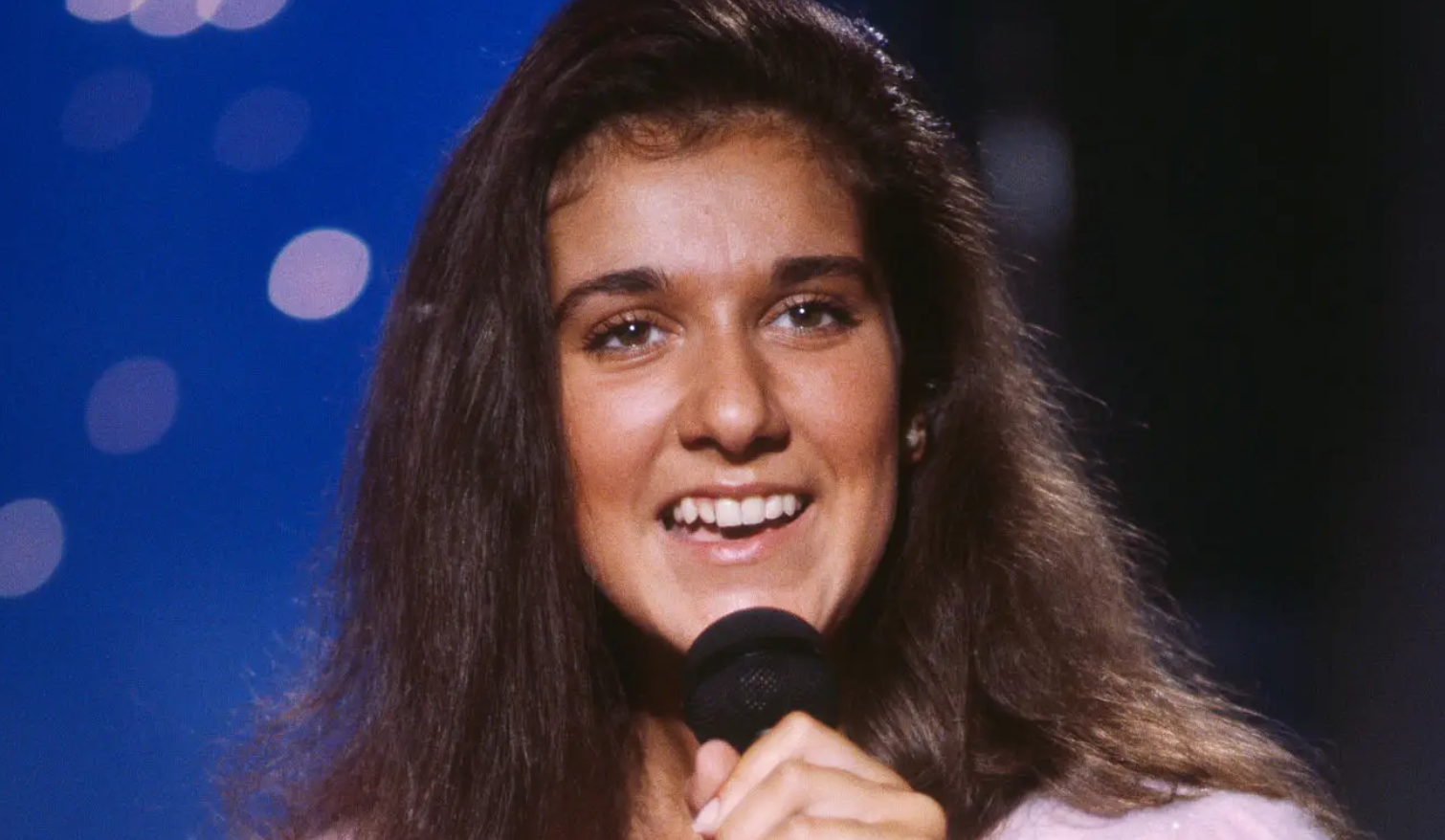
First Canadian artist
Dion became the first Canadian artist to receive a gold record in France for her single “D’amour ou d’amitié” and won several Félix Awards. She won the 1988 Eurovision Song Contest representing Switzerland with the song “Ne partez pas sans moi.”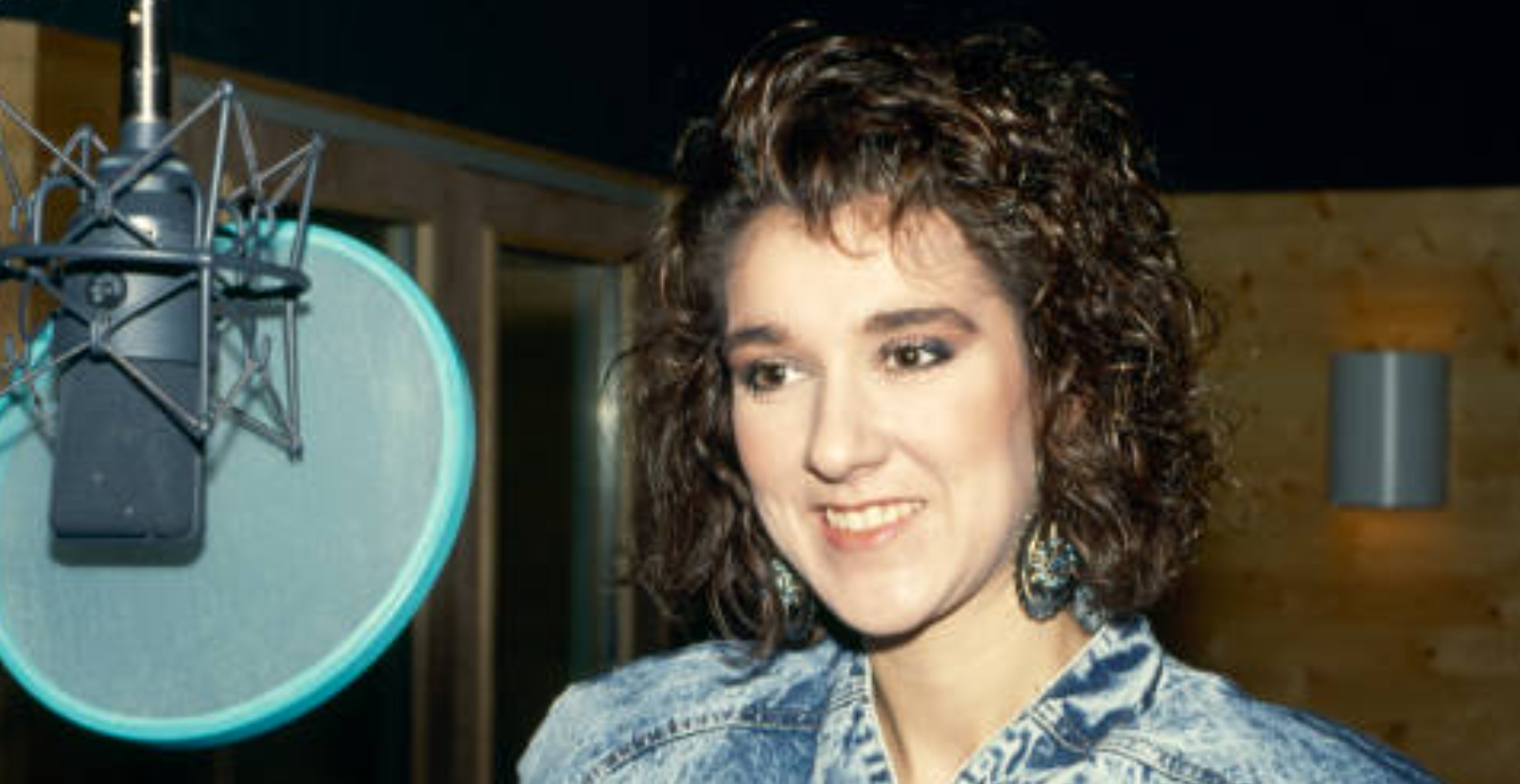
The theme for the 1997 film Titanic
“My Heart Will Go On”, released on November 24, 1997, was the theme for the 1997 film Titanic. It was also featured on Dion’s album Let’s Talk About Love as well as the Titanic soundtrack. The song was composed by James Horner and included lyrics written by Will Jennings.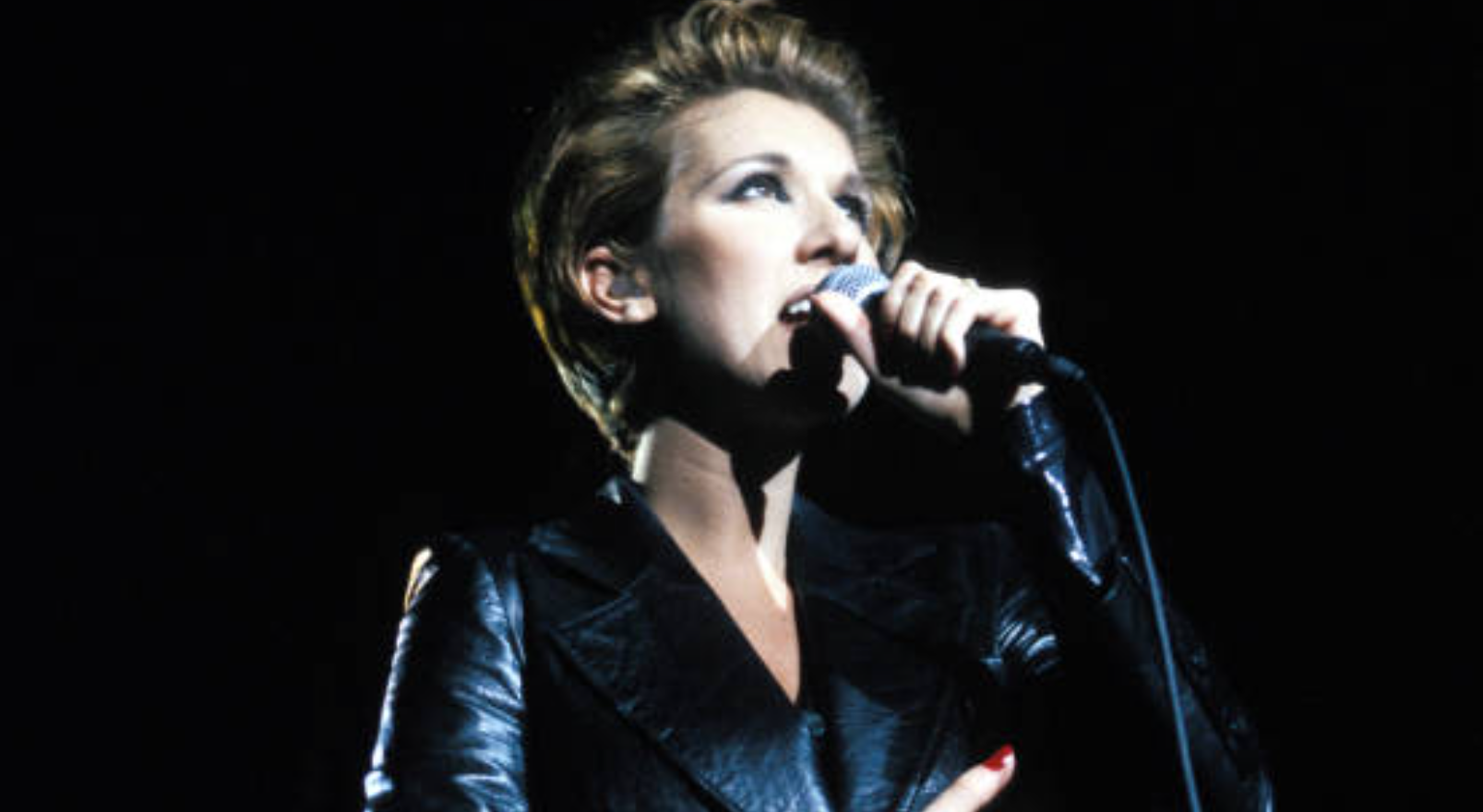
Worldwide sales exceeded 18 million
The song topped the charts in over 25 countries and became the best-selling single of 1998. Worldwide sales exceeded 18 million.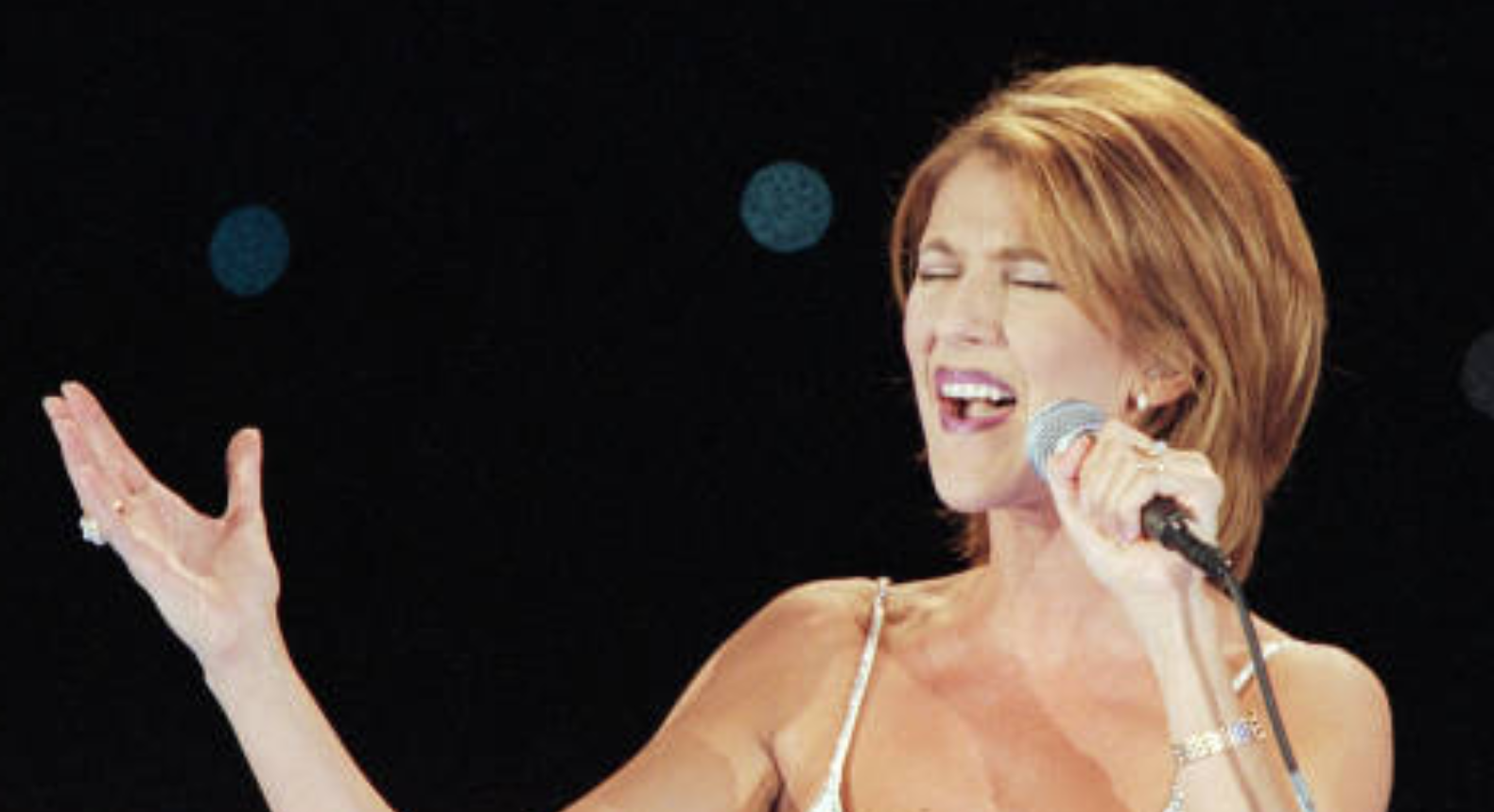
National Endowment for the Arts
The song remains one of the best-selling singles by a woman in music history. It is widely regarded as Dion’s signature song and was included in the list of Songs of the Century by the RIAA and the National Endowment for the Arts.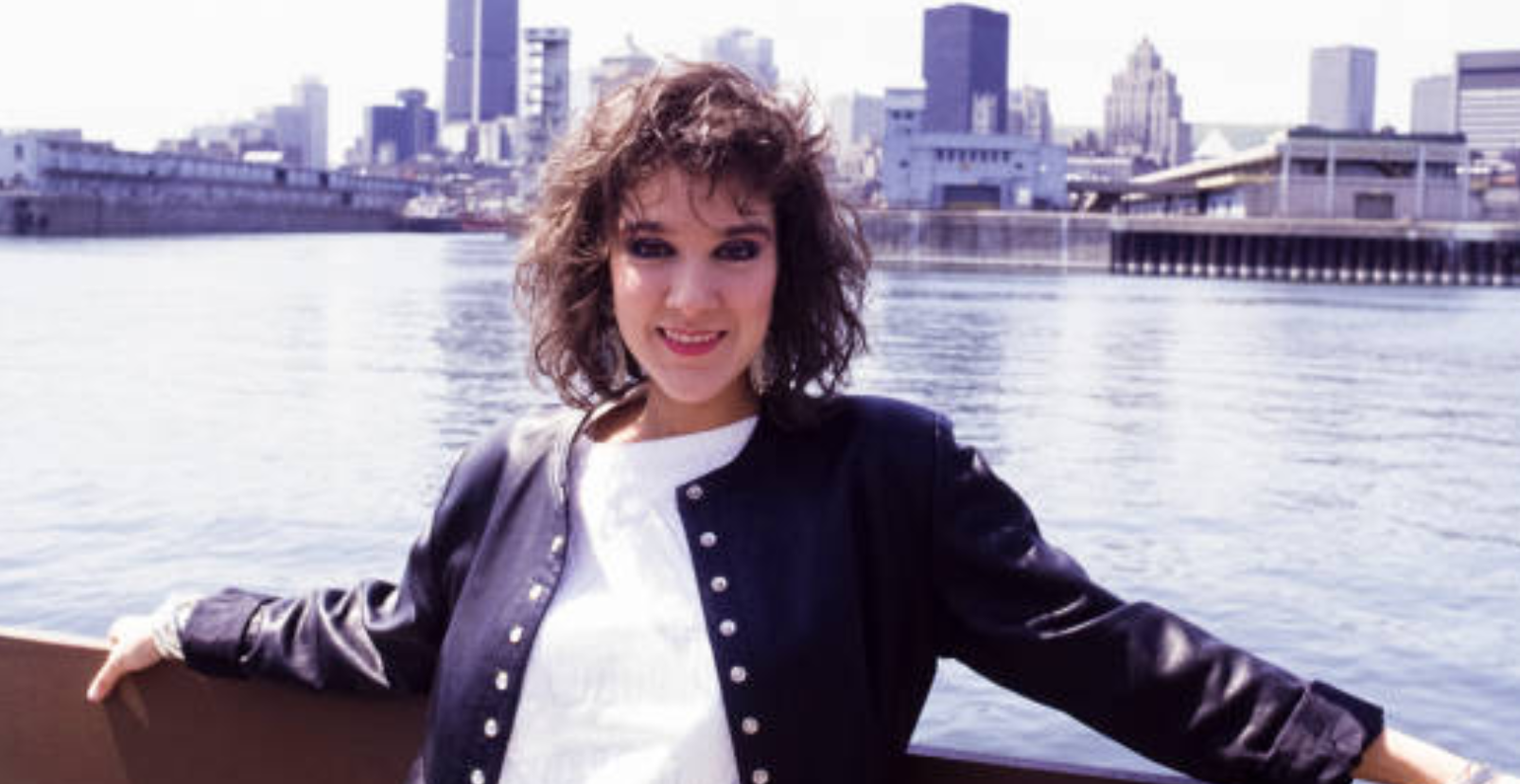
A commercial failure
Before Titanic was released, studio executives were concerned it might be a commercial failure. Sony had paid $800,000 for the rights to the soundtrack album.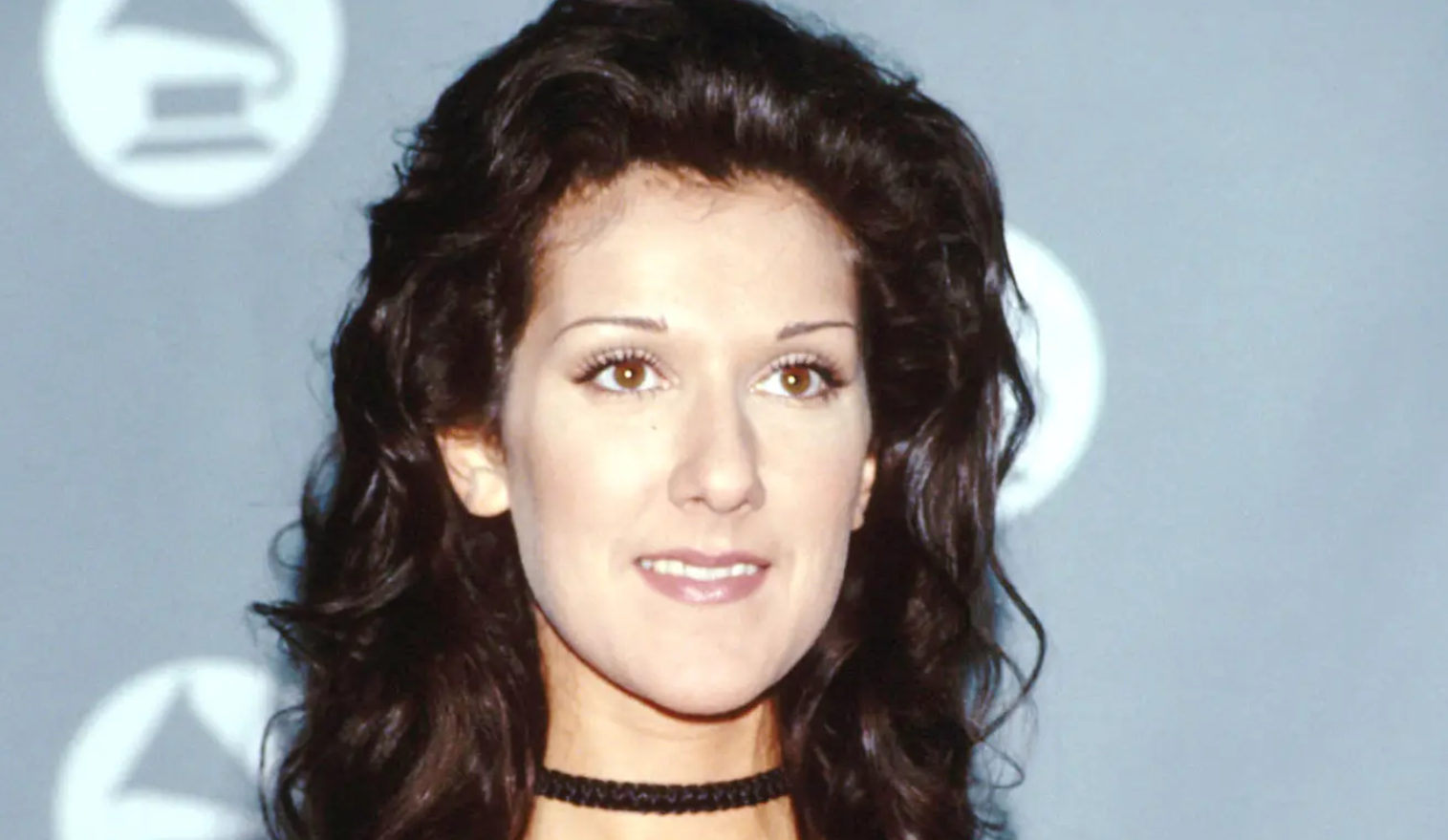
Would be inappropriate
Director James Cameron believed that ending Titanic with a pop song would be inappropriate.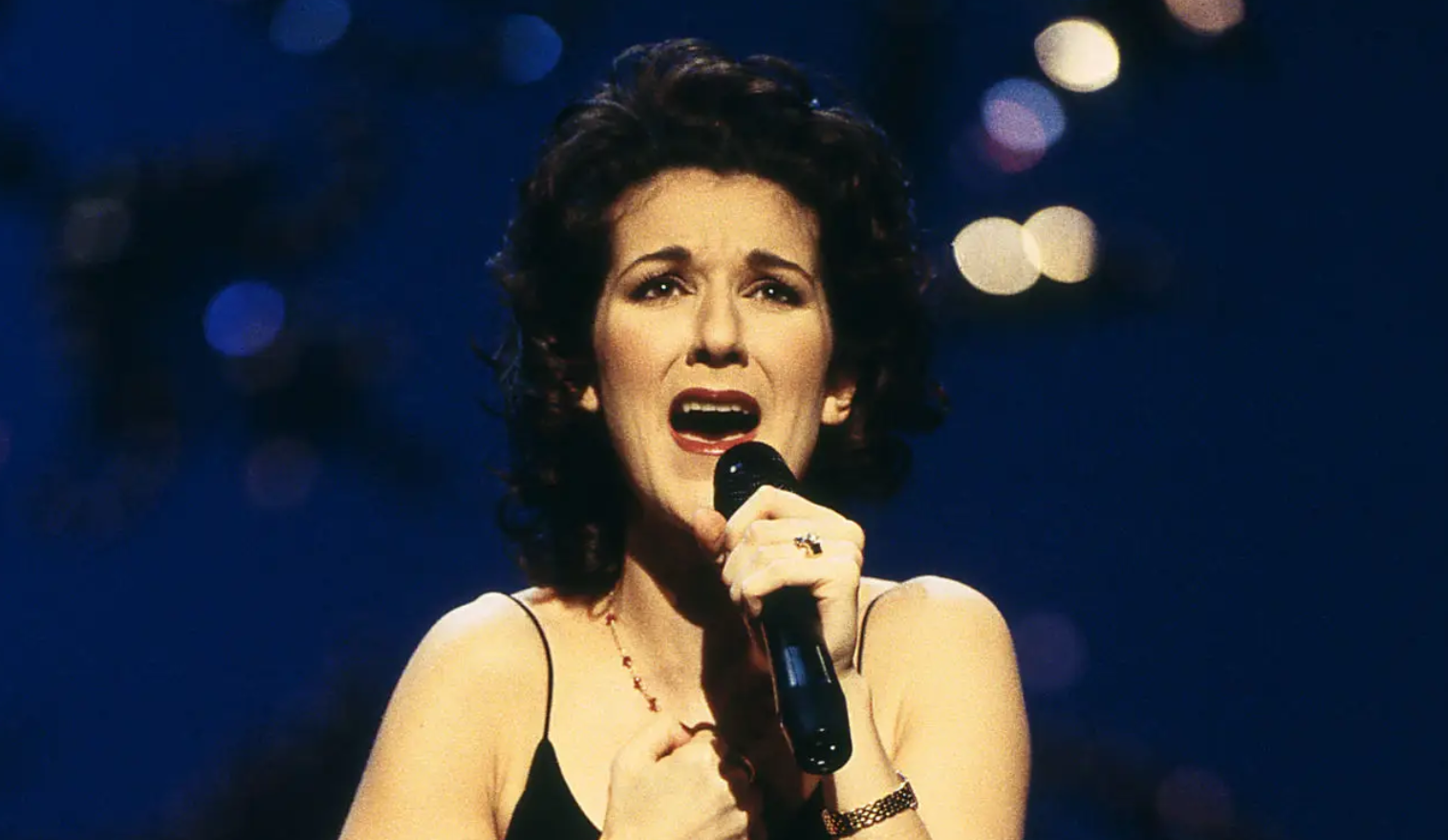
Lyrics were added later
Composer James Horner created “My Heart Will Go On” as an instrumental. Lyrics were added later.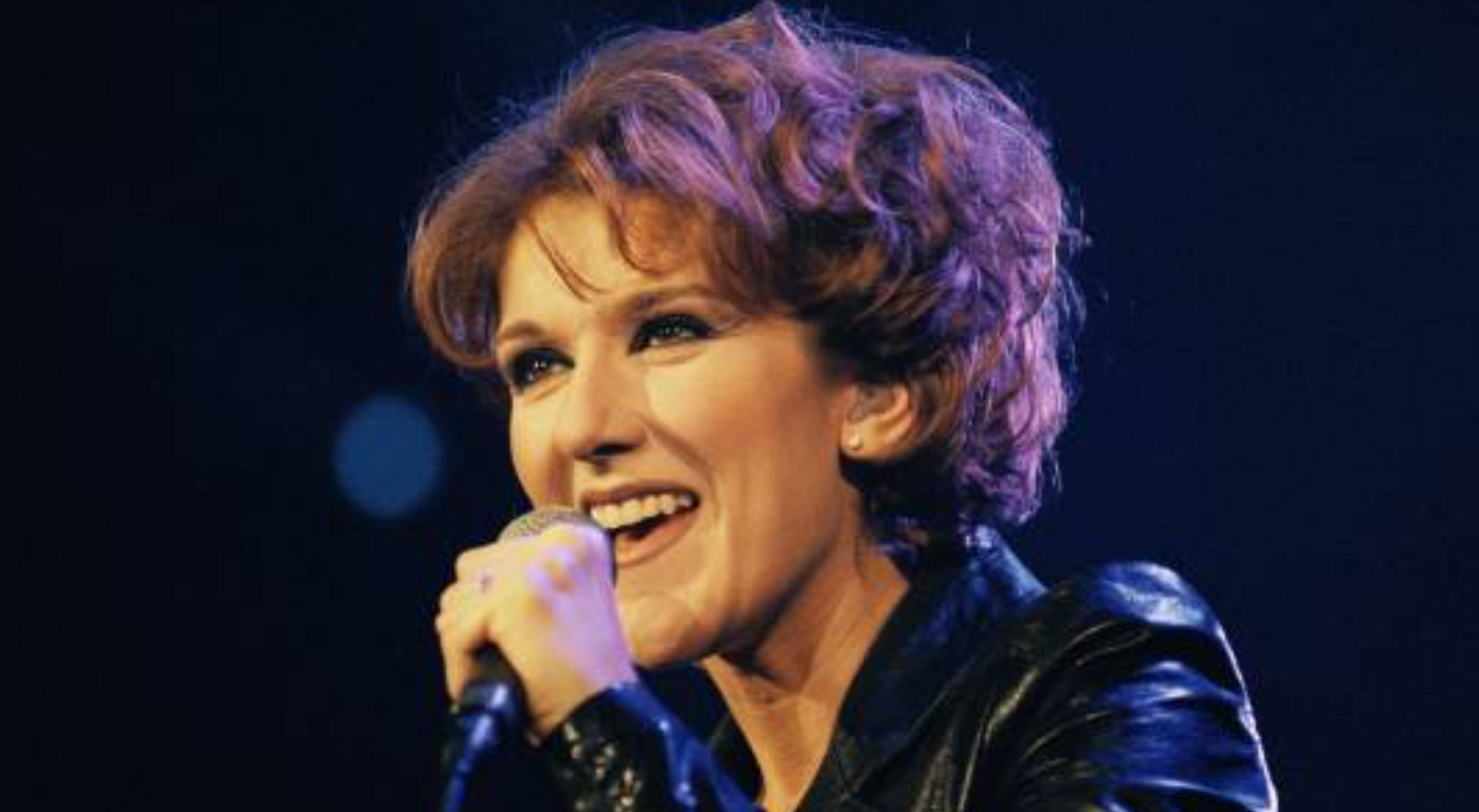
Come from the perspective of an elderly person
The lyrics were intended to come from the perspective of an elderly person. The song was initially intended for Norwegian singer Sissel Kyrkjebø.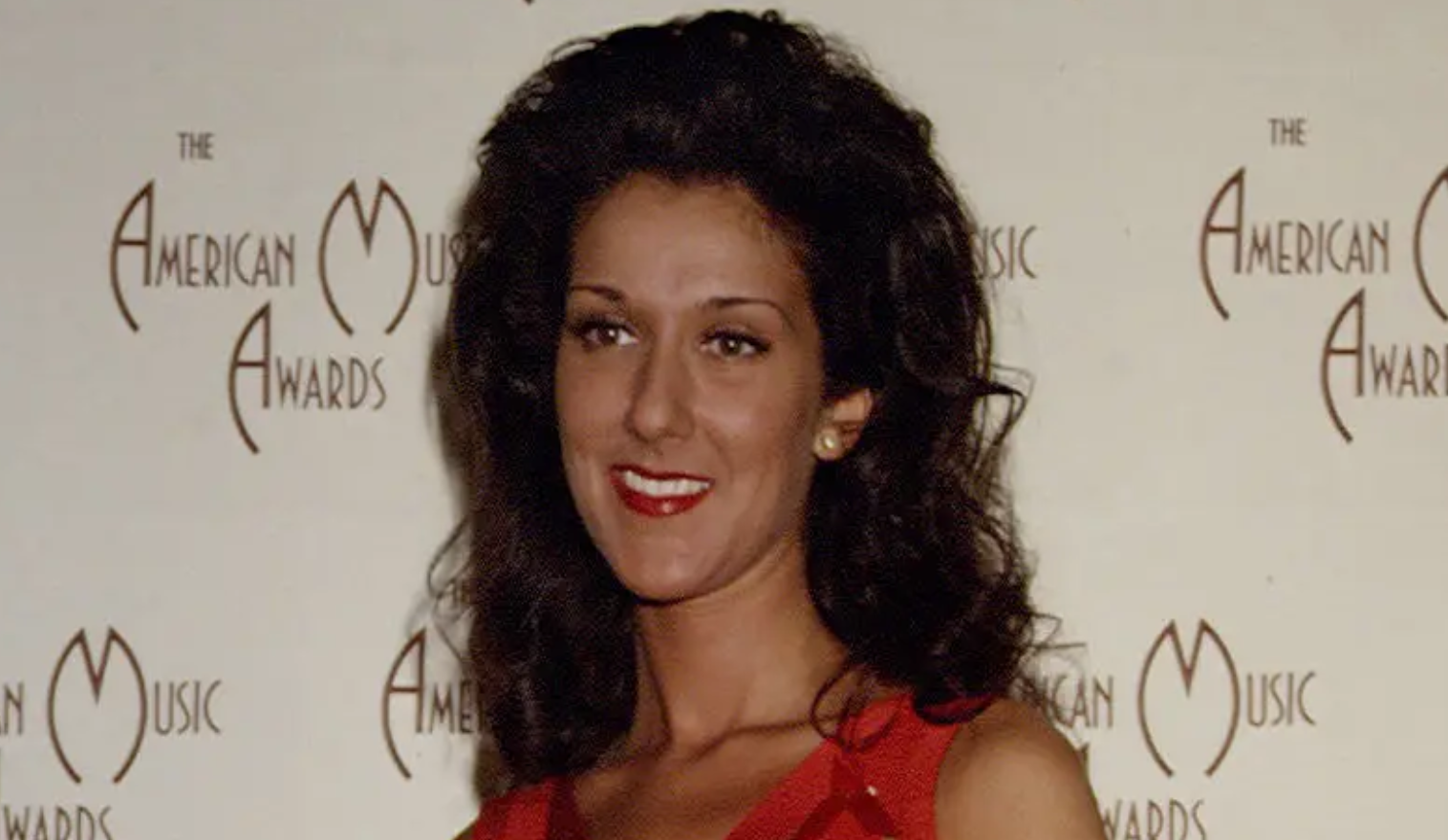
Was hesitant to record the song
Movie producer Simon Franglen suggested Celine Dion as the person who should sing the theme song. Dion was hesitant to record the song because she had already worked on other film songs.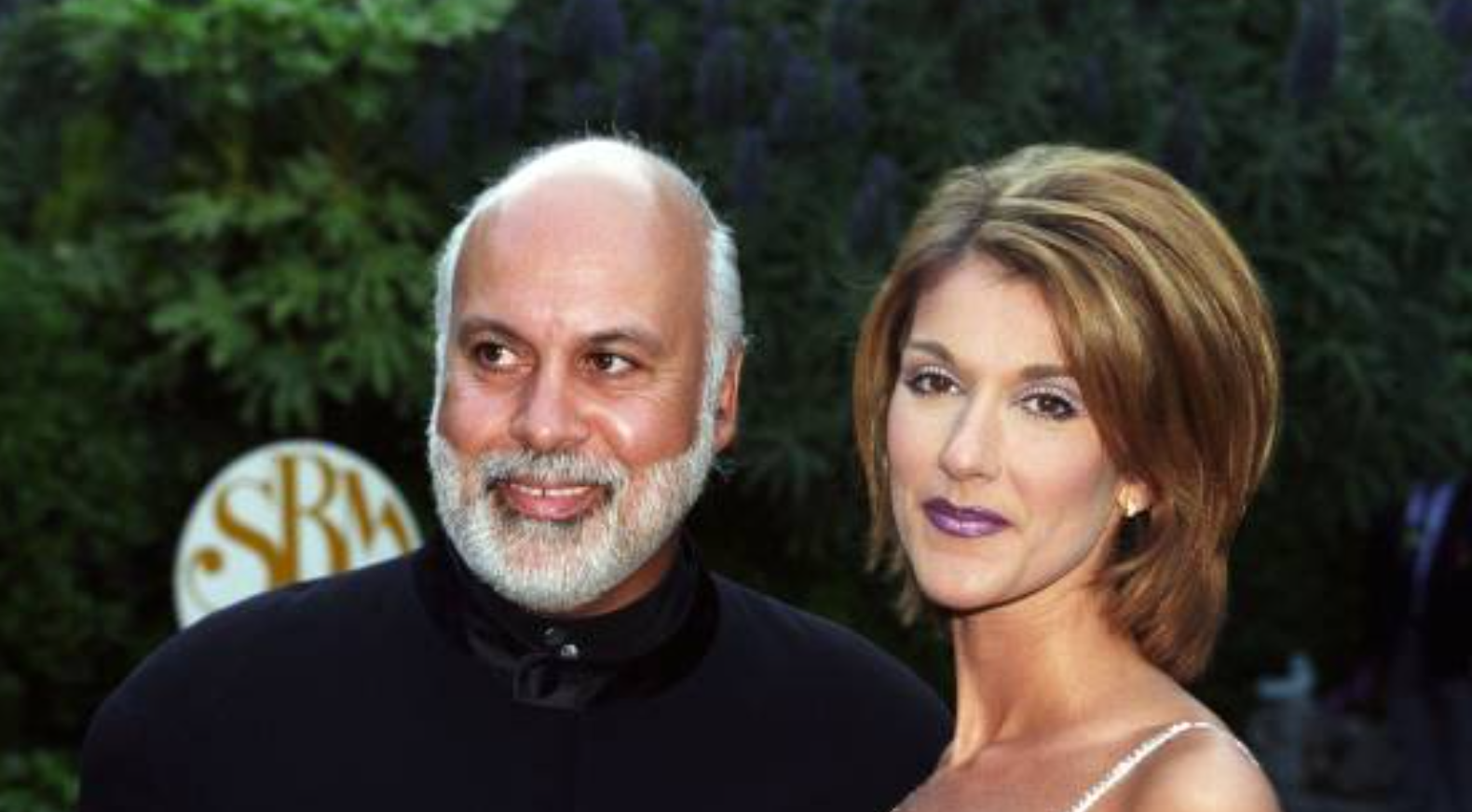
Encouraged her to record a demo
Dion’s husband and producer, René Angélil, encouraged her to record a demo.
Added orchestral elements
Cameron approved the demo after multiple listens. The final version used in the film and soundtrack was mixed by Simon Franglen, who added orchestral elements.
Multiple Grammy Awards
“My Heart Will Go On” received numerous prestigious awards, including the 1998 Academy Award for Best Original Song and multiple Grammy Awards in 1999.
Best Original Song
It also won the Golden Globe Award for Best Original Song in 1998. The song was nominated for Best Song for a Movie at the 1998 MTV Movie Awards but lost to “Men in Black” by Will Smith.
Soundtrack Single of the Year
“My Heart Will Go On” won several awards, including the Japanese Gold Disc Award for Song of the Year and a Billboard Music Award for Soundtrack Single of the Year.
American film history
The song is one of the best-selling singles in the UK, making Celine Dion one of only two female artists to have two million-selling singles there. It was ranked 14th on AFI’s 100 Years…100 Songs list, celebrating the greatest songs in American film history.