


Fatal crashes
A federal judge has rejected a plea deal proposed by Boeing concerning the fatal crashes of two Boeing 737 MAX aircraft, resulting in 346 deaths. The deal included a fine of up to $487 million and an independent monitor to oversee safety practices for three years. However, U.S. District Judge Reed O’Connor raised concerns about a provision requiring adherence to diversity, equity, and inclusion (DEI) guidelines, deeming it not in the public interest. O’Connor said, “In a case of this magnitude, it is in the utmost interest of justice that the public is confident this monitor selection is done based solely on competency.”
The victims killed
O’Connor added, “The agreement is not in the public interest,” echoing criticisms made by relatives of the victims killed in the two plane crashes.
Serious safety failures
The crashes, involving a Lion Air flight in 2018 and an Ethiopian Airlines flight in 2019, revealed serious safety failures within Boeing. Prosecutors from the Department of Justice (DOJ) accused Boeing of conspiring to conceal critical information regarding the aircraft’s software systems.
An important victory
Paul Cassell, a lawyer for some of the victims’ families, said, “Judge O’Connor’s emphatic rejection of the plea deal is an important victory. Judge O’Connor has recognized that this was a cozy deal between [the DOJ and Boeing] that failed to focus on the overriding concerns: holding Boeing accountable for its deadly crime and ensuring that nothing like this happens again in the future.”
Faced backlash from victims' families and legal representatives
Boeing’s plea deal faced backlash from victims’ families and legal representatives. Paul Cassell, an attorney for some victims’ families, stated that the agreement failed to hold Boeing accountable and did not sufficiently address safety improvements.
Elon Musk
In a related development, Boeing has dismantled its DEI department as part of an operational overhaul under new leadership. The decision follows criticism from figures like Elon Musk, who argued that Boeing prioritized DEI initiatives over essential safety protocols.
They prioritized DEI hiring over your safety
Musk said, “Do you want to fly in an airplane where they prioritized DEI hiring over your safety? That is actually happening.”
Boeing's elimination of its DEI team
Boeing’s elimination of its DEI team exposed a trend among major companies to reassess or reduce DEI initiatives amid increasing public scrutiny. Other corporations, including Harley-Davidson and John Deere, have also scaled back their DEI programs, citing backlash from critics who argue that such initiatives unfairly prioritize diversity over merit.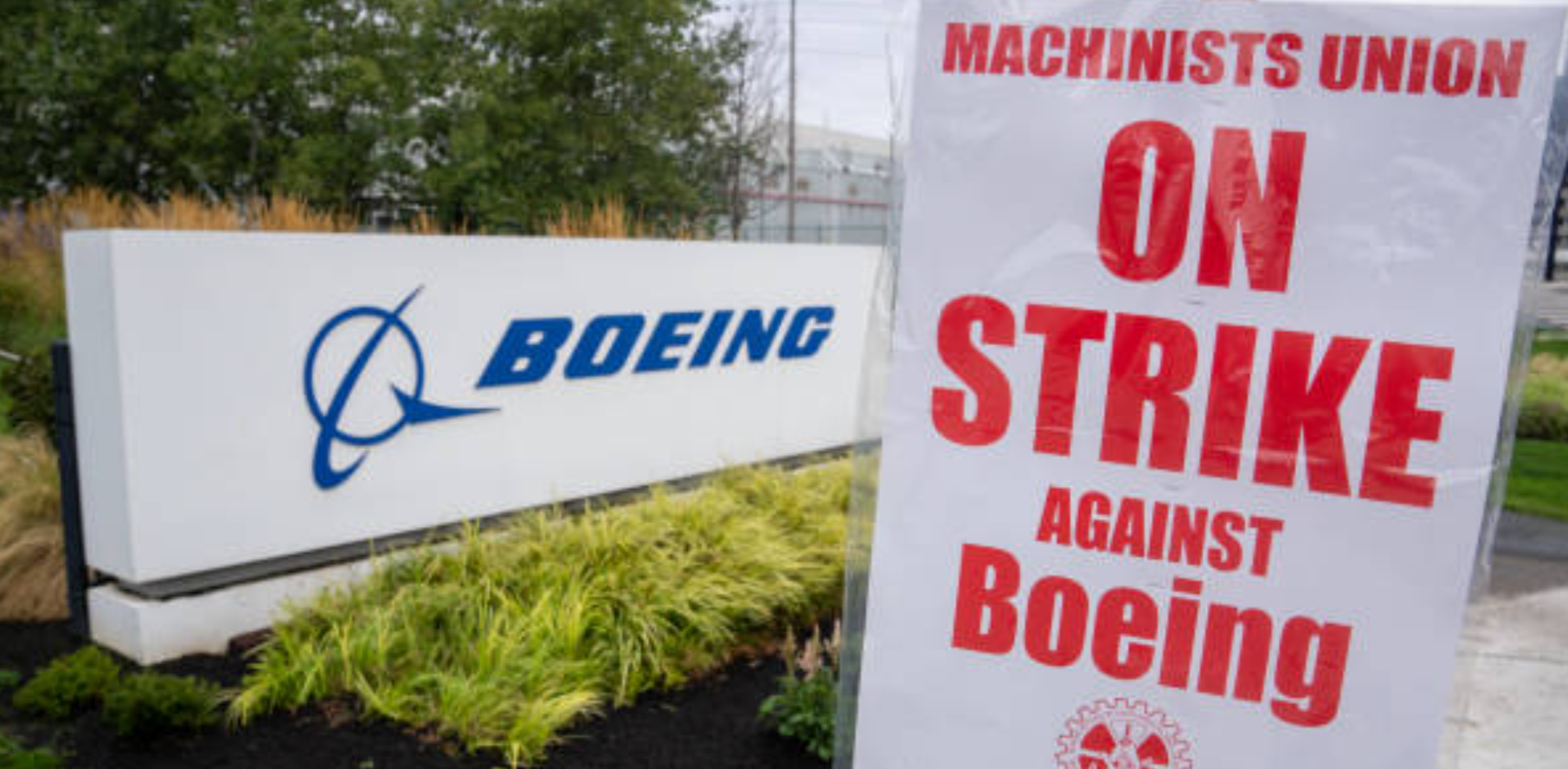
Facing labor strikes
Boeing is also facing labor strikes, with around 33,000 workers from the International Association of Machinists (IAM) on strike for seven weeks. Workers are set to vote on a proposal that increases wage hikes to 38% over four years, although it does not address their demand for a return to a defined-benefit pension plan.
Safety practices and corporate governance
The rejection of the plea deal and the dismantling of the DEI department mark major shifts in Boeing’s legal landscape. The company has faced ongoing scrutiny regarding its safety practices and corporate governance.
Supporting the company’s mission
Boeing stated, “Boeing remains committed to recruiting and retaining top talent and creating an inclusive work environment where every teammate around the world can perform at their best while supporting the company’s mission.”