


18-year-old Tracy Whitney
18-year-old Tracy Whitney was last seen leaving a Burger King after an argument with her ex-boyfriend in August 1988. Her body was discovered less than 24 hours later in a river in Washington. An autopsy revealed she had been sexually assaulted and strangled, according to the Pierce County Sheriff’s Office
Despite collecting DNA evidence
Despite collecting DNA evidence and interviewing suspects, no arrests were made, and the case went cold. Tracy’s sister, Robin Whitney, then 11, struggled with the trauma.
How scared she must’ve been
Robin Whitney said, “I didn’t want to think about what had happened to her, and what her last moments were like and how scared she must’ve been.”
How unfair that was
Whitney added, “I’d also have to think about everything we missed out on as sisters, how unfair that was.”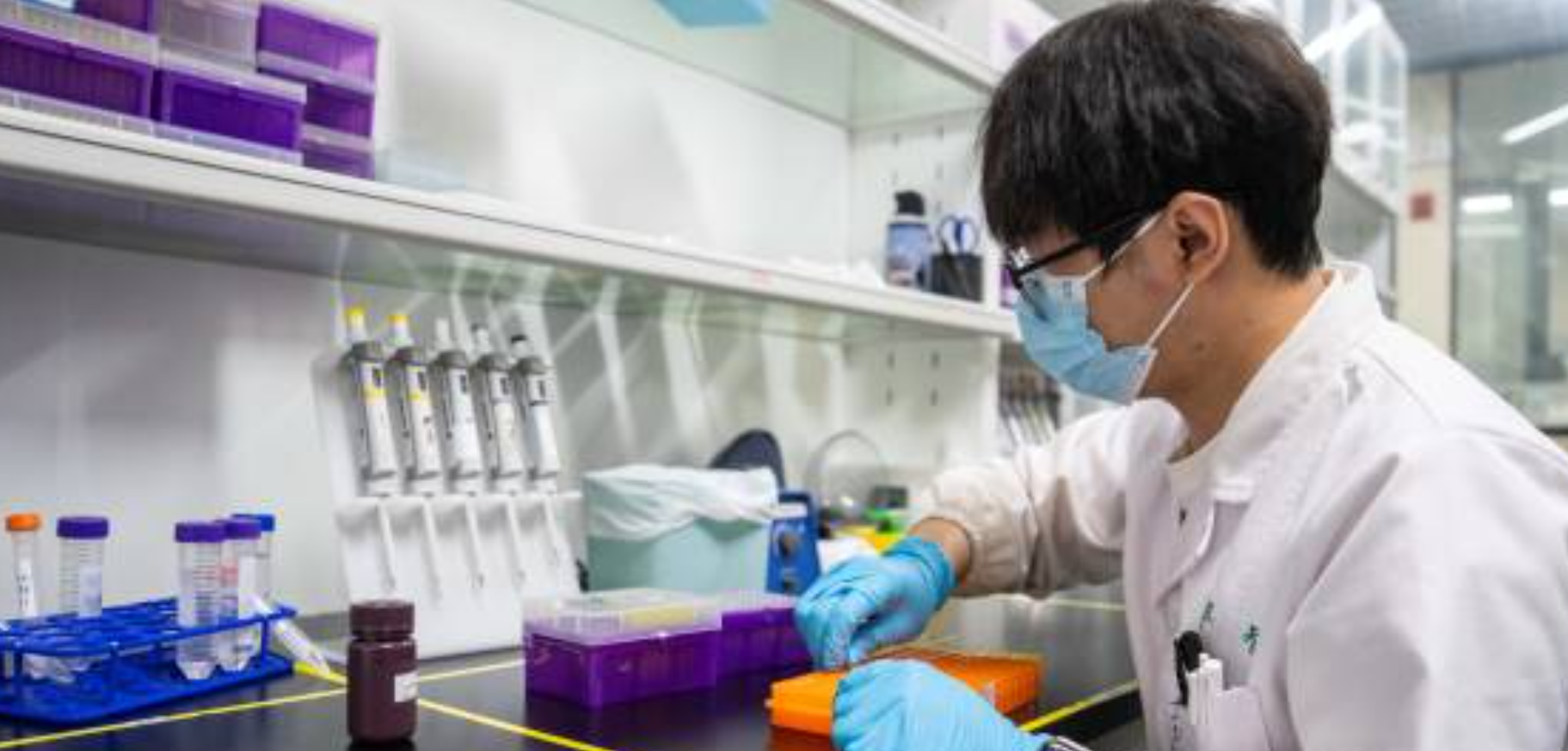
DNA evidence had been recovered from the crime scene
In recent years, Robin learned from her father that DNA evidence had been recovered from the crime scene.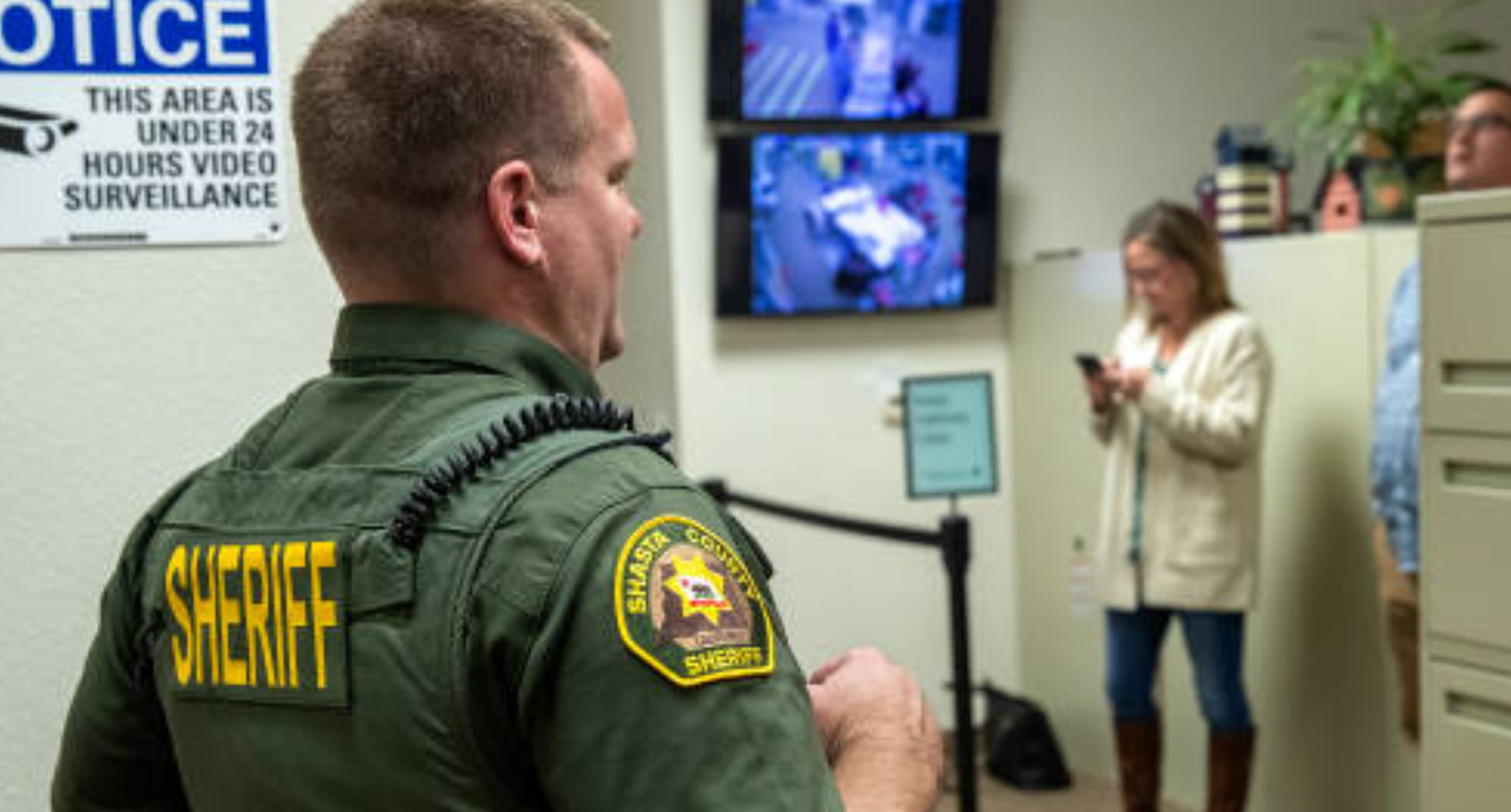
Identifying John Guillot Jr. as the prime suspect
The Pierce County Sheriff’s Office resumed investigations in 2005 by submitting the DNA to the FBI’s CODIS database. A breakthrough occurred in 2022 when a grant allowed the sheriff’s office to send the DNA sample for genetic genealogy testing, identifying John Guillot Jr. as the prime suspect.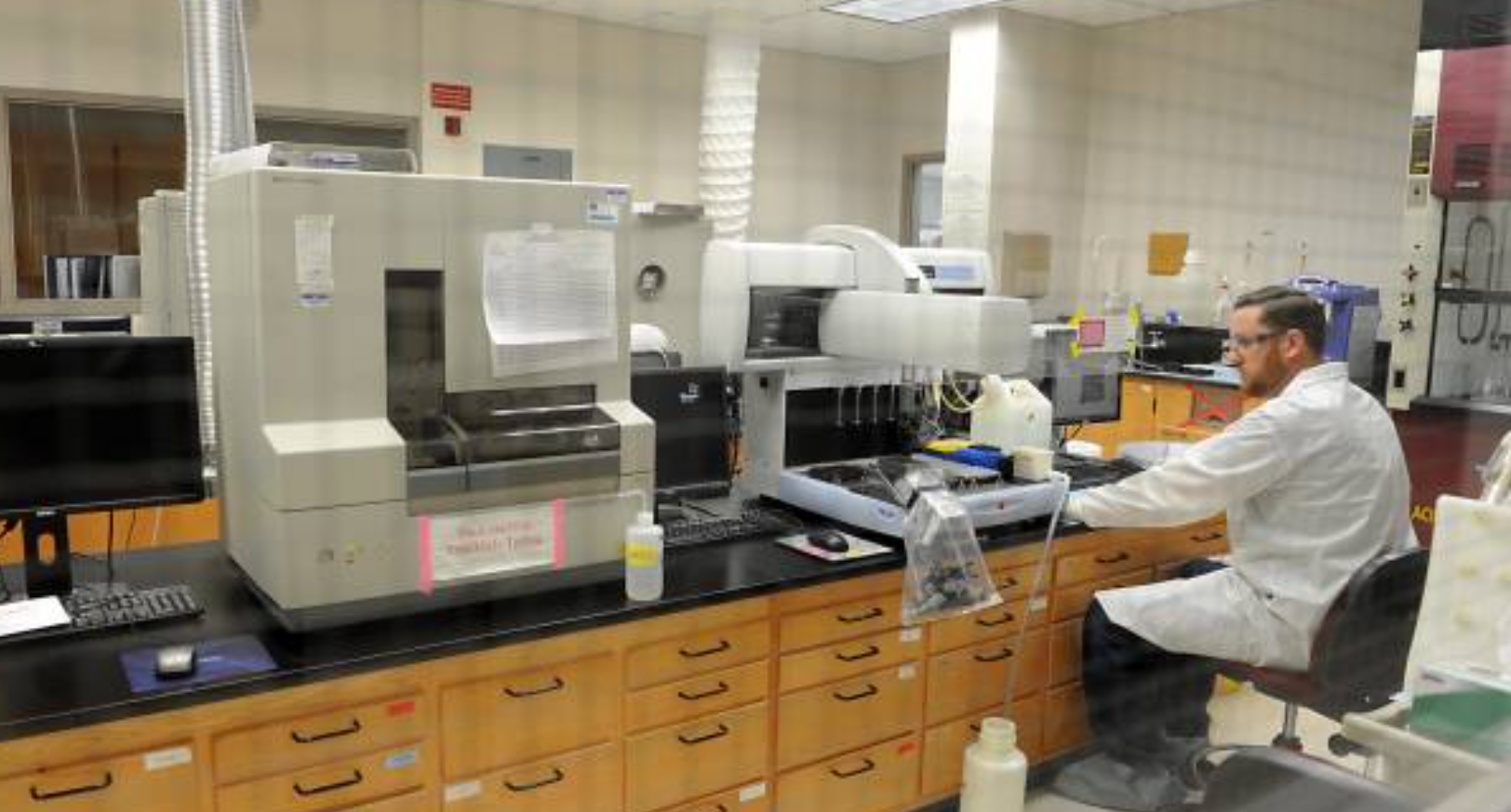
Had passed away
Unfortunately, Guillot Jr. had passed away eight months before his identification. Further investigation revealed he did not know Tracy prior to the incident.
Overwhelming support
Robin said, “The overwhelming support that we’ve gotten from the community that we grew up in, and the general public interest and attention that she’s getting feels like justice in a way. People are talking about her, and they remember her, and they miss her.”
An emotional relief that I needed
Robin concluded, “Since getting the news that Tracy’s case has been solved, 36 years of locked-up emotions came out all at once. I grieved her as a child, and now I’m grieving her as an adult. I’m allowing myself to feel all of it, though. It’s uncomfortable and I’m sad, but it’s an emotional relief that I needed.”
Lindy Sue Biechler
Similarly, Lindy Sue Biechler was found murdered in her home in 1975. Despite decades of investigation, male DNA found on her underwear in 1997 had failed to yield any leads.
Leading to his arrest
In 2019, the Lancaster County Cold Case unit engaged CeCe Moore from Parabon NanoLabs, who utilized advanced DNA analysis and genealogy to identify David Sinopoli as the suspect. In 2022, investigators obtained DNA from a cup discarded by Sinopoli, which matched blood from Biechler’s clothing, leading to his arrest.
Identifying violent criminals
These cases have exemplified the power of investigative genetic genealogy.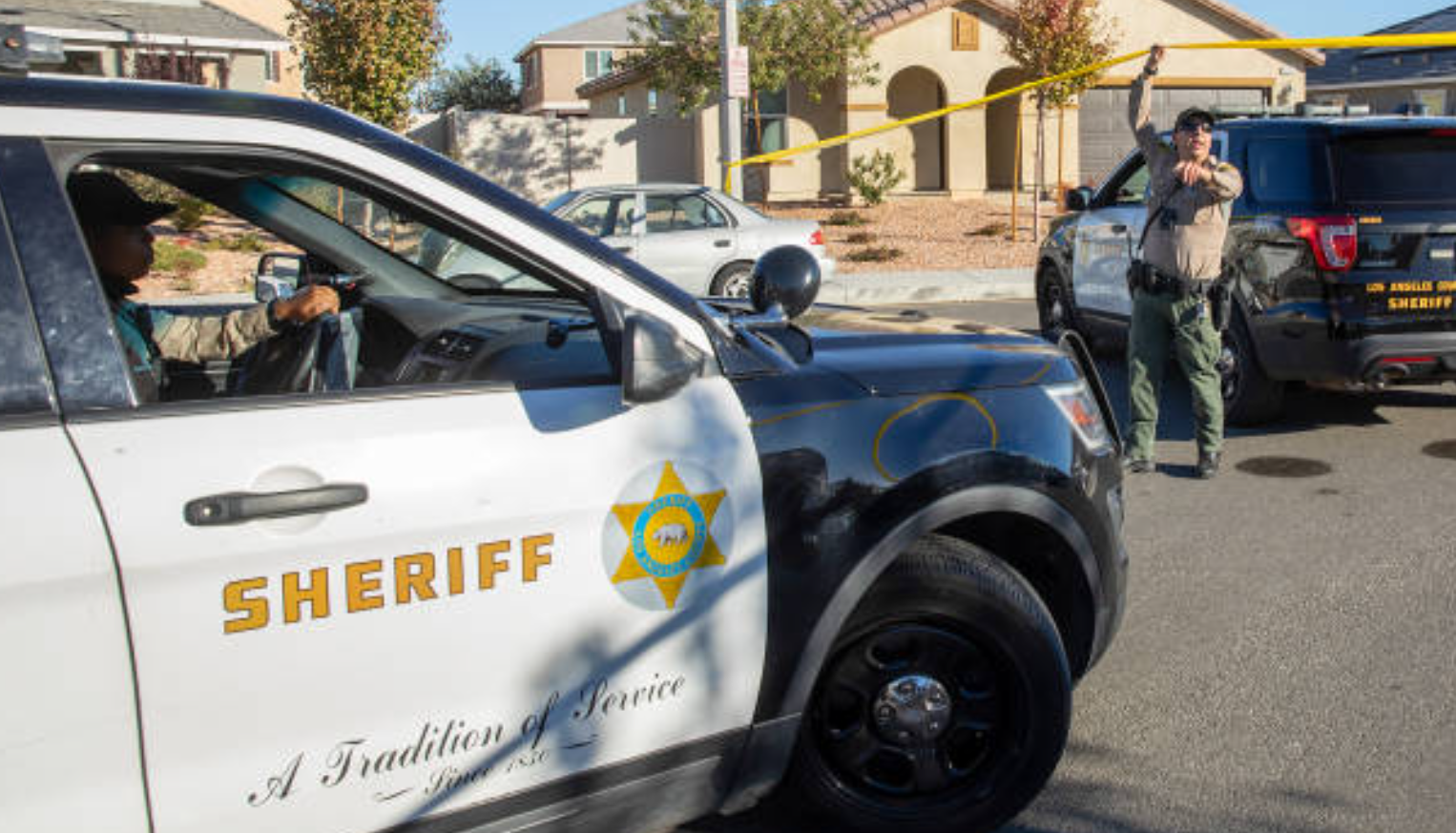
Use genetic data
While genetic genealogy has provided breakthroughs, it has also raised privacy concerns. Critics have urged careful consideration of civil rights as law enforcement increasingly use genetic data.