


Concerns about sucralose
A study has raised concerns about sucralose, a common artificial sweetener. Sucralose-6-acetate, a byproduct of sucralose, was found to be genotoxic, breaking DNA strands and potentially causing mutations linked to cancer and other health issues. Cardiologist and professor Dr. Dariush Mozaffarian stated, “While more research is urgently needed, the growing evidence suggests that sucralose and other sugar substitutes might not be safe, and should be avoided if possible.” Join us in this slideshow as we explore the issue in greater detail.
Harmful effects
Trace amounts of sucralose-6-acetate are present in sucralose before digestion, raising concerns that even small, regular consumption could expose people to harmful effects.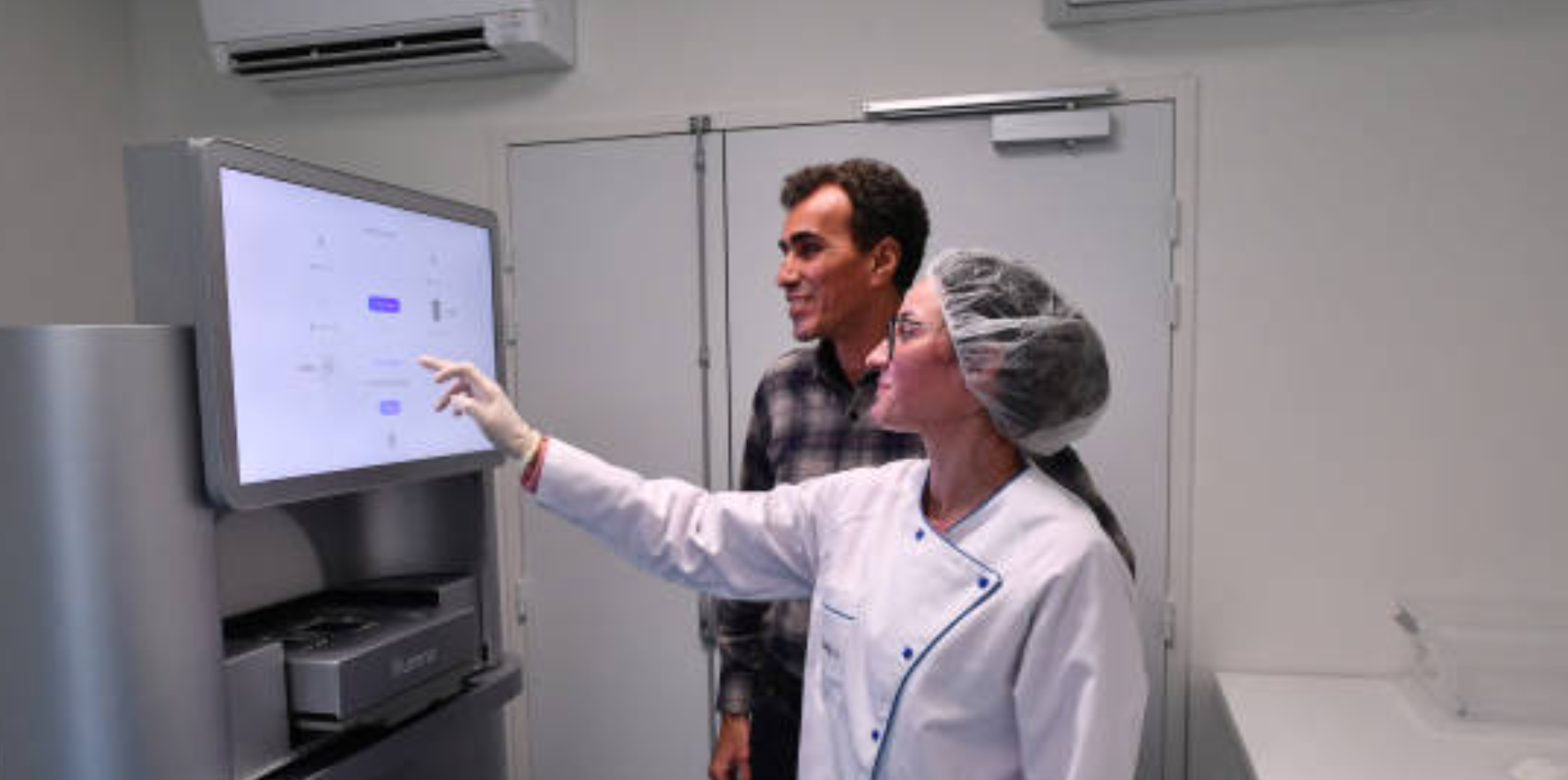
Trigger inflammation
The study also revealed that sucralose and its byproducts harm gut health by causing “leaky gut,” allowing harmful substances to enter the bloodstream and trigger inflammation.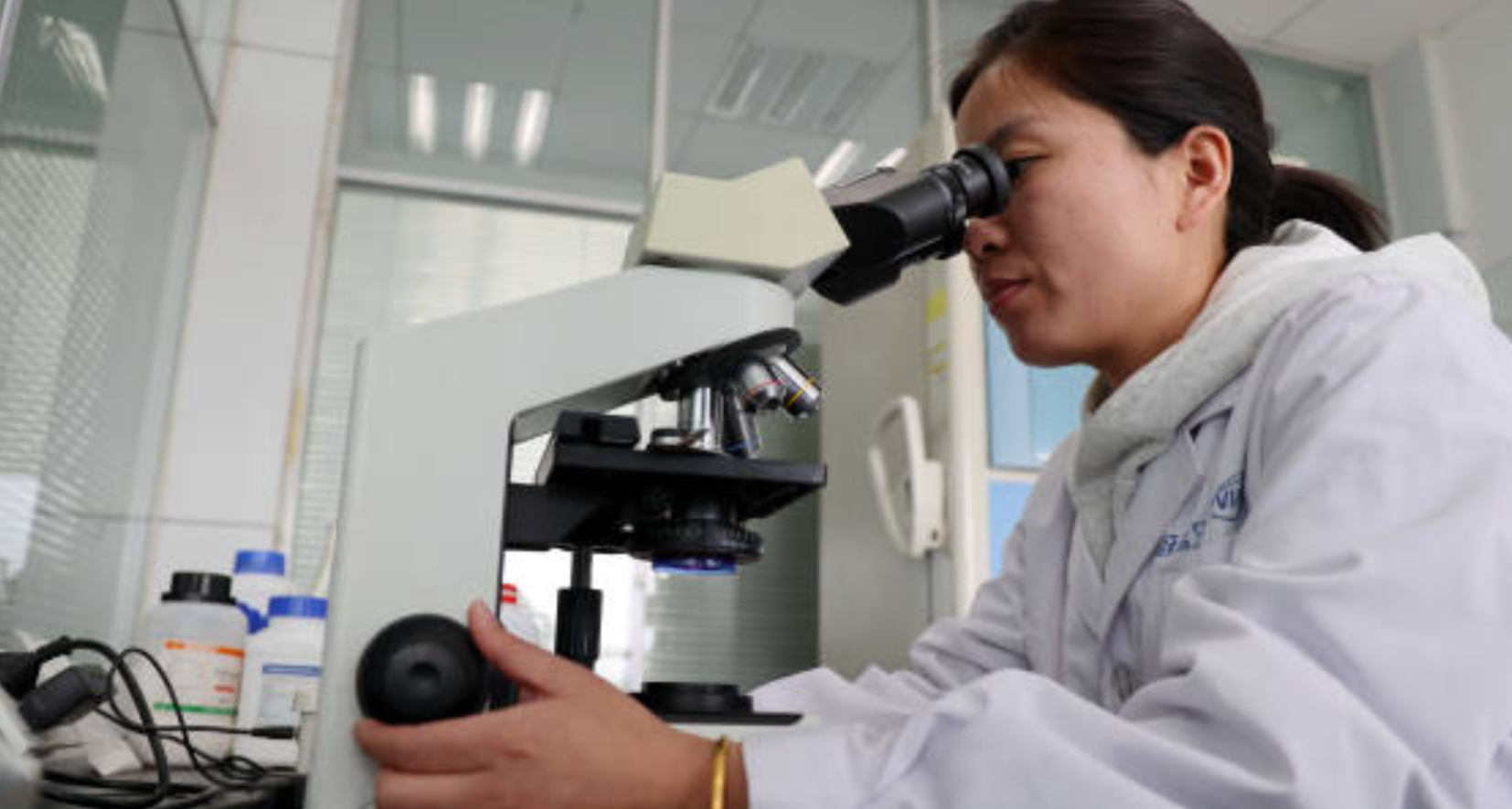
Absorbed into the bloodstream
North Carolina State University professor Susan Schiffman, PhD, said, “A leaky gut is problematic because it means toxins that would normally be flushed out of the body in feces are instead leaking out of the gut and being absorbed into the bloodstream.”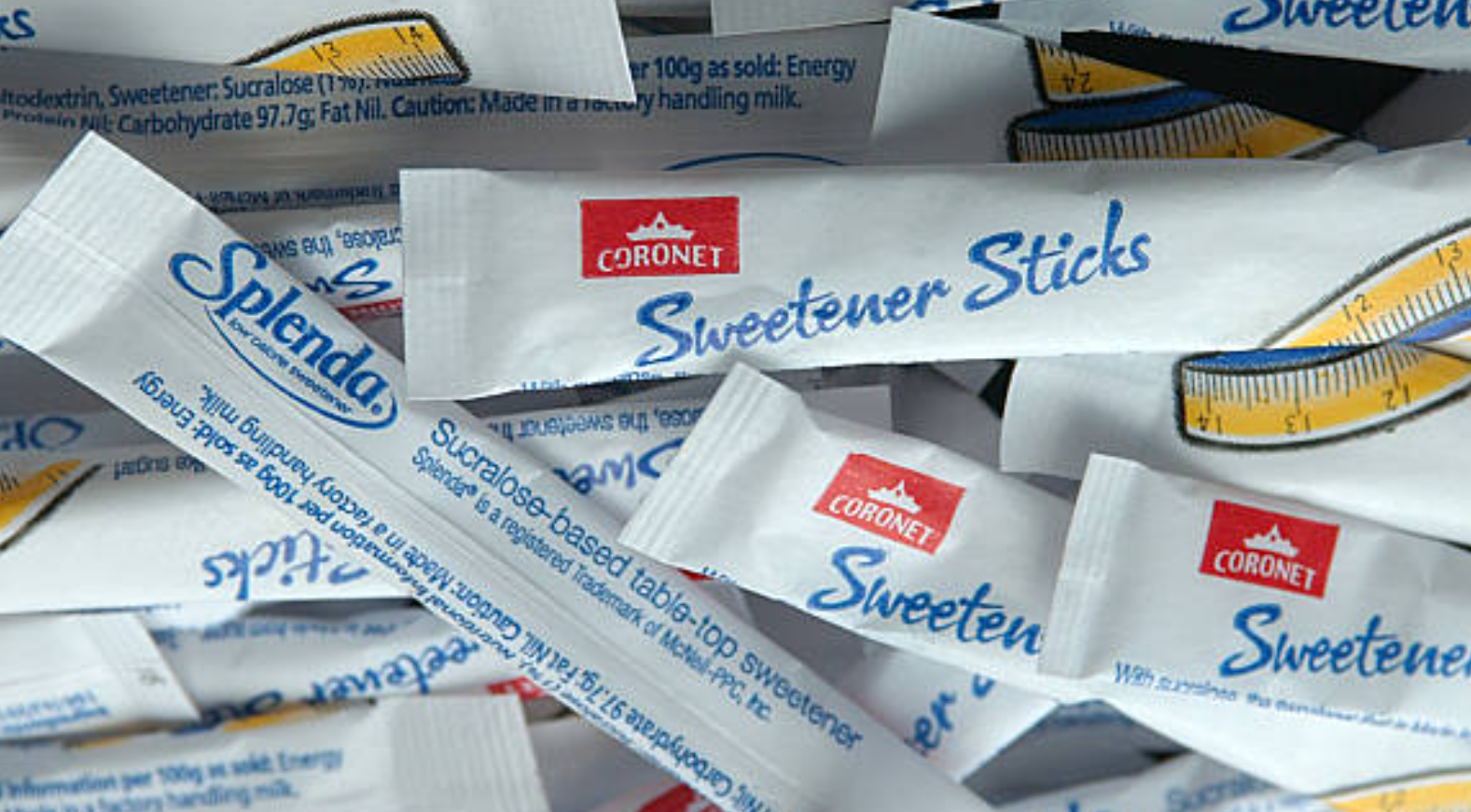
Generated by bacteria in the gut
Schiffman added, “An important point is that even if the contaminant sucralose-6-acetate is totally removed from sucralose products, it is still generated by bacteria in the gut.”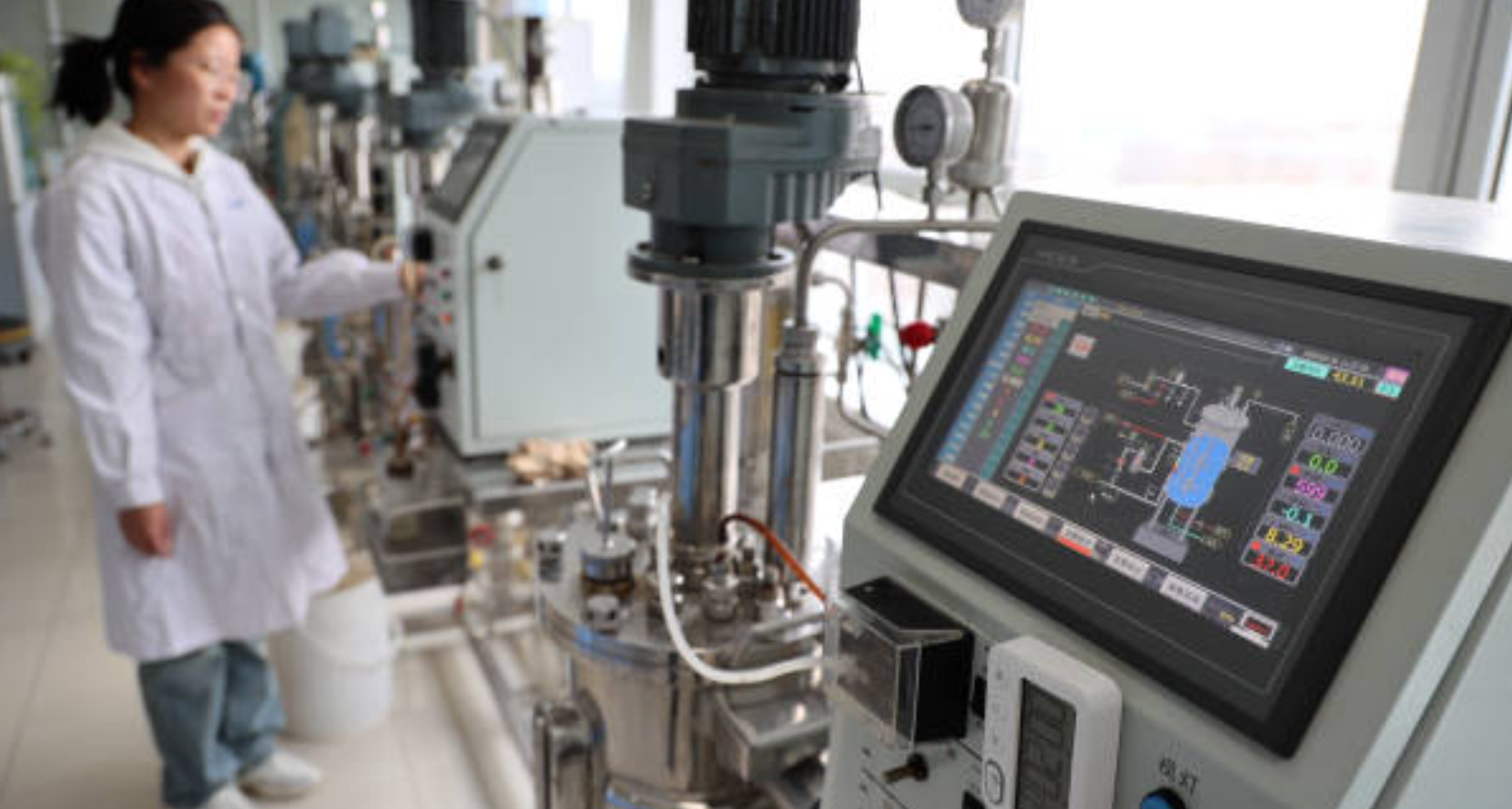
Blood glucose and insulin
Schiffman said, “Previous studies have shown a wide range of adverse effects from sucralose, including dysbiosis (including damage to good bacteria in the gut) and alteration of blood glucose and insulin.”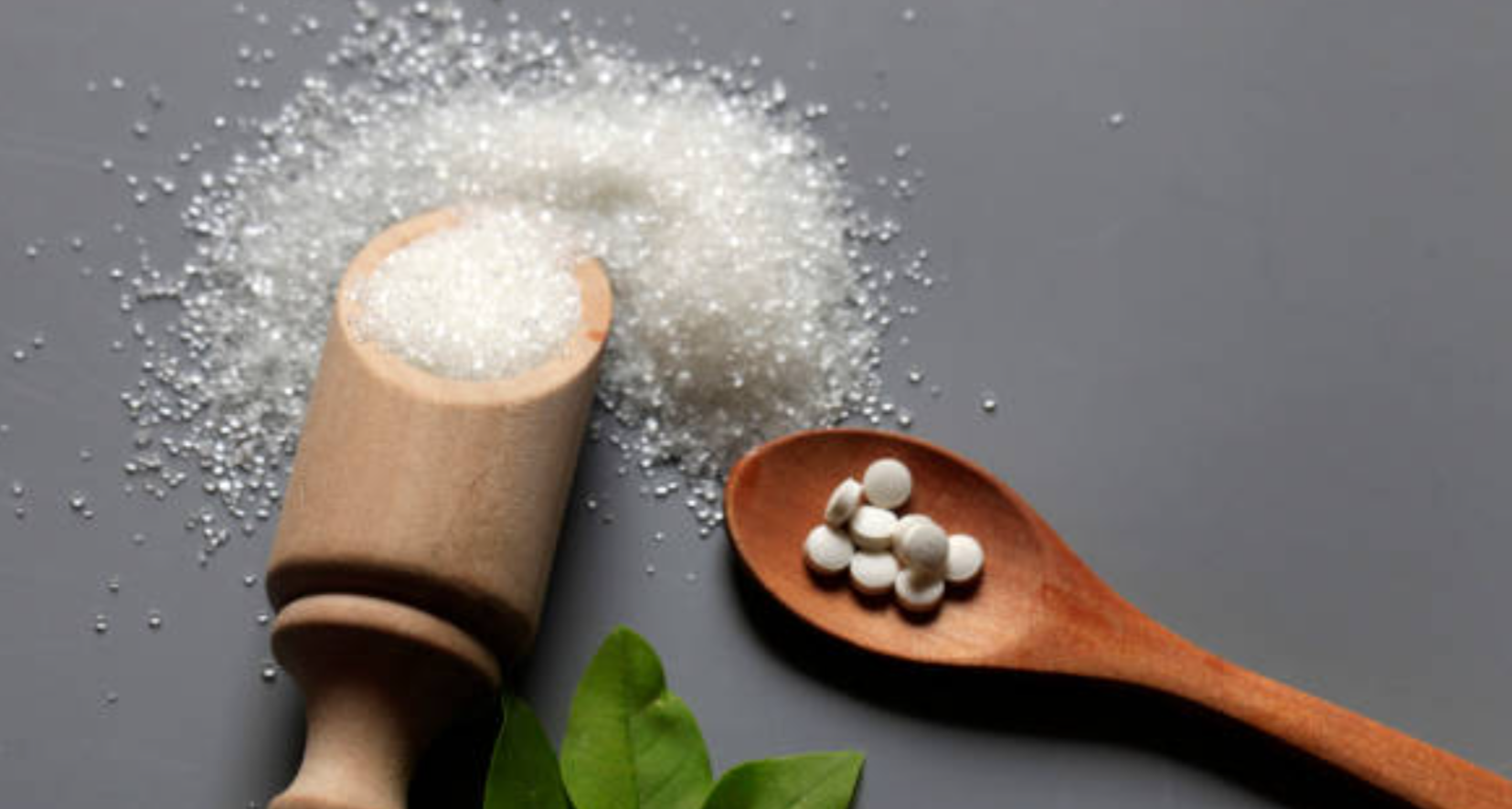
Alternatives like stevia or monk fruit
Experts recommended reassessing sucralose’s safety, warning that its risks may outweigh its benefits. Consumers are urged to consider safer alternatives like stevia or monk fruit.
Less dangerous choice
Mozaffarian said, “If you regularly drink sugary sodas, pre-sweetened teas or coffees, sports drinks or energy drinks, then the risks of all that liquid sugar may still be larger than for these substitutes, which could then be the less dangerous choice.”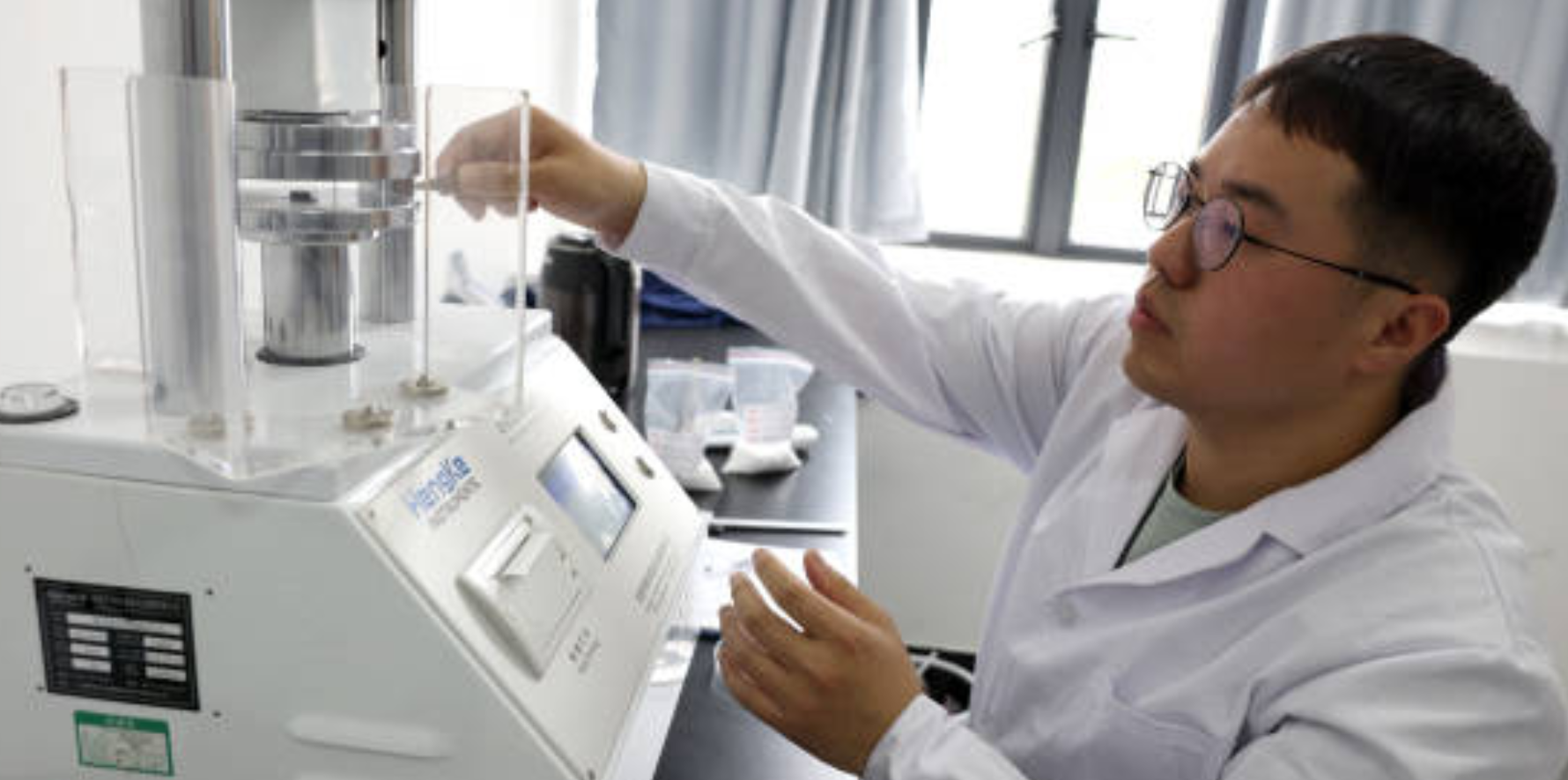
Go for the real thing
Mozaffarian added, “But for a rare sugary drink, adding a teaspoon yourself, or for sugar in foods (not drinks), I’d say go for the real thing.”
Reduce potential long-term health risks
Minimizing sucralose intake could potentially reduce potential long-term health risks.
Primarily impacting the gut microbiome
Dietitian Michelle Routhenstein stated, “In the last couple of years, we have been seeing more and more research studies pointing to the inflammatory nature of artificial sweeteners, primarily impacting the gut microbiome.”
Heart attack
Routhenstein added, “Sucralose and other sugar substitutes are also considered ultra-processed foods, which have been linked to increased risk of subsequent cardiovascular events in individuals who have had a heart attack.”
Constipation or diarrhea
Routhenstein concluded, “While artificial sweeteners may be tolerable in generally healthy individuals, they should be eliminated if there are any signs of bloating, indigestion, constipation or diarrhea.”