

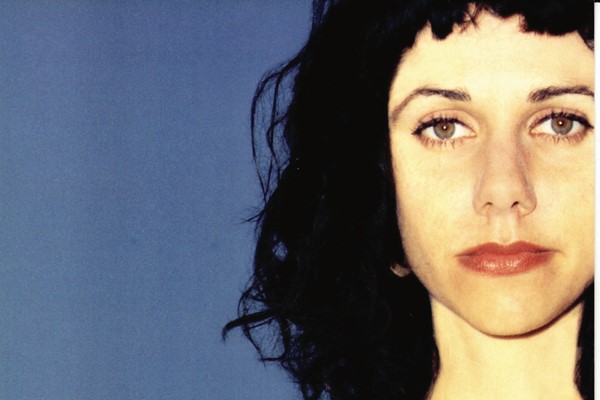
These Gals Kicked It To 11
Grunge wasn’t just a sound—it was a movement. Stripping away the excess of the 80s, it celebrated raw emotion, authenticity, and individuality. At the forefront of this cultural wave were women who brought their unique perspectives and aesthetics to the music, breaking molds and redefining what it meant to be a rock icon. These women weren’t just along for the ride—they helped shape the attitude and style of a generation. Let’s dive into the lives of the trailblazing women of grunge who became symbols of rebellion and creativity.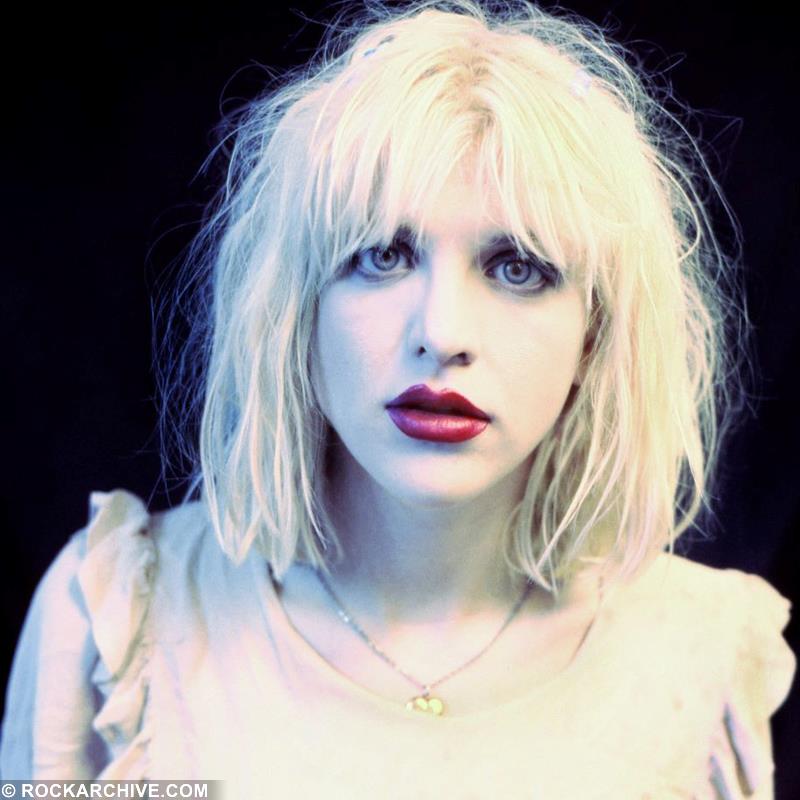
Courtney Love
Few figures embody the spirit of grunge more than Courtney Love. As the frontwoman of Hole, Love became a lightning rod for the movement’s raw energy, her voice delivering searing anthems about pain, rage, and survival. Albums like Live Through This showcased her ability to merge vulnerability with defiance, giving voice to the messy, unvarnished realities of life. Offstage, Love’s style was just as impactful—her babydoll dresses, smeared lipstick, and combat boots became an iconic look that challenged traditional femininity. Though often controversial, Love’s influence extended beyond music, inspiring a generation of women to embrace their imperfections and take up space unapologetically.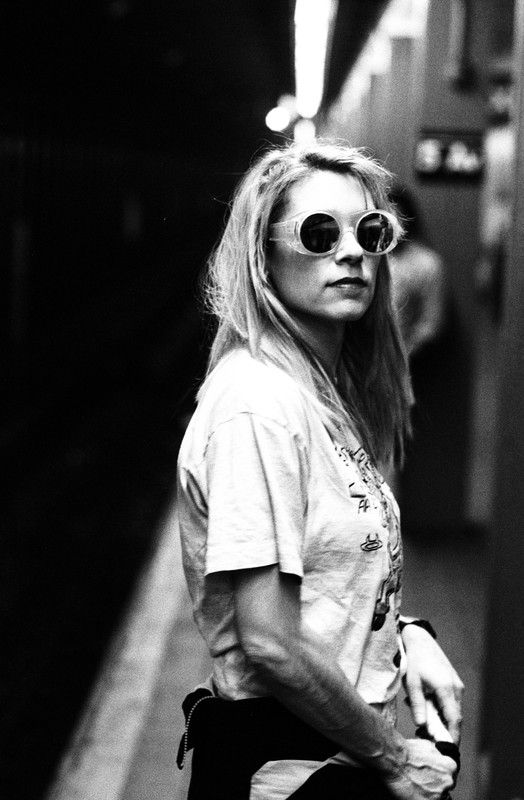
Kim Gordon
As a founding member of Sonic Youth, Kim Gordon brought an avant-garde edge to the grunge scene. Her basslines were as experimental as her style, blending the minimalist cool of oversized blazers with thrifted tees and sneakers. Gordon’s influence wasn’t confined to her music—she was also a visual artist and writer who explored themes of gender and power. Tracks like “Kool Thing” showcased her ability to critique societal norms while maintaining Sonic Youth’s signature noise-rock sound. Gordon’s intellectual approach to grunge set her apart, proving that the genre wasn’t just about angst but could also be a platform for challenging ideas.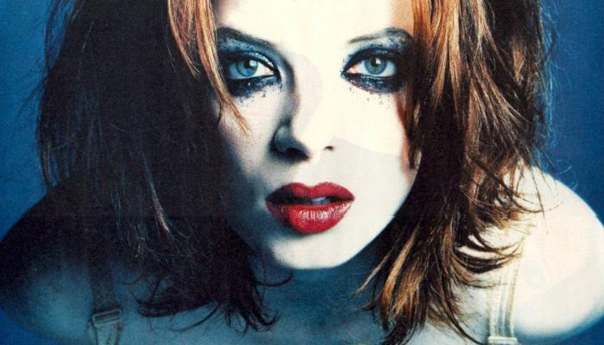
Shirley Manson
Shirley Manson brought a polished intensity to the grunge and alternative scenes as the frontwoman of Garbage. With her fiery red hair, dark eyeliner, and unflinching lyrics, Manson became an icon for anyone who felt like they didn’t belong. Tracks like “Only Happy When It Rains” perfectly captured the disillusionment of the 90s, while her stage presence was both magnetic and unapologetically defiant. Manson’s ability to channel her emotions into her music, combined with her distinct aesthetic, cemented her as a symbol of empowerment. She wasn’t just part of the grunge movement—she added her own sophisticated edge to it.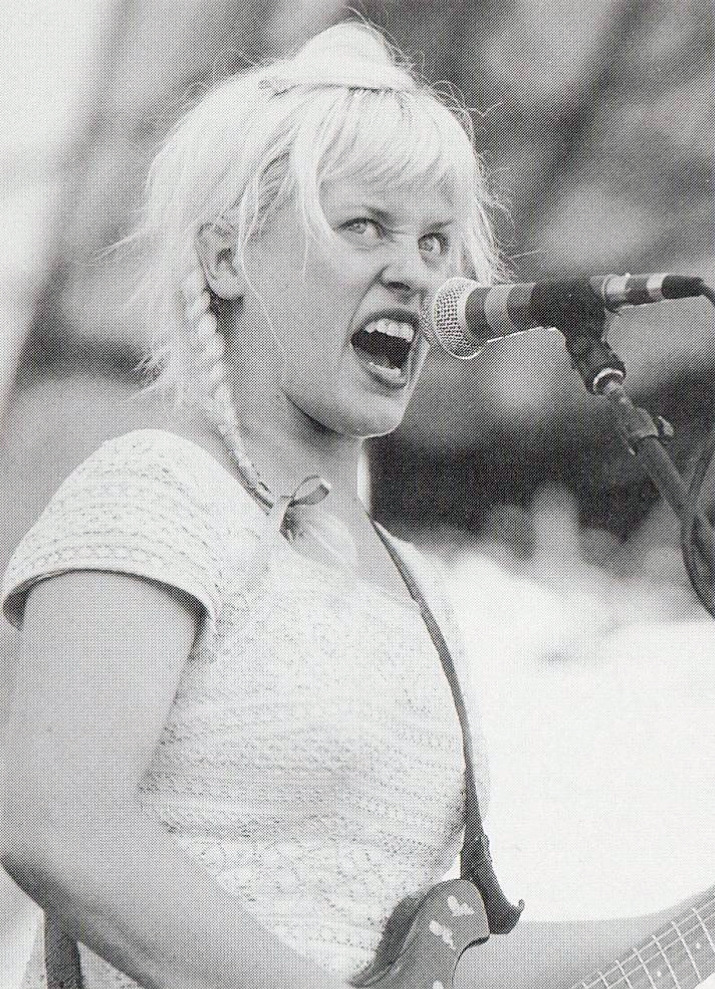
Kat Bjelland
Kat Bjelland of Babes in Toyland brought raw, unfiltered energy to the grunge scene. Known for her “kinderwhore” fashion—think frilly dresses juxtaposed with combat boots—Bjelland’s aesthetic perfectly matched the dichotomy of her music, which blended vulnerability with ferocity. Songs like “Bruise Violet” confronted themes of rage and resilience, often blurring the line between chaos and catharsis. Bjelland’s live performances were legendary, with her unrelenting vocals and guitar work captivating audiences. Though Babes in Toyland didn’t achieve mainstream fame, their influence on the feminist punk and grunge movements remains significant, with Bjelland as their fearless leader.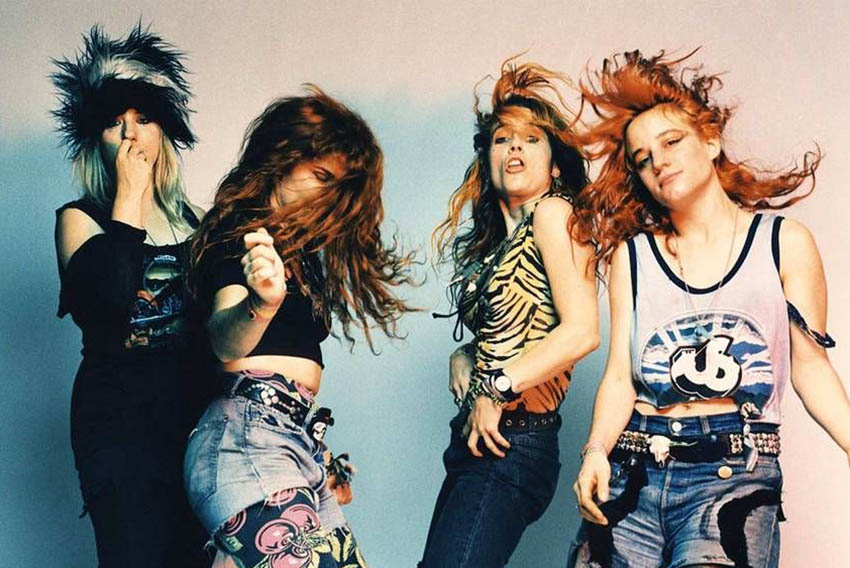
L7
L7 didn’t just play grunge—they lived it. This all-female band, led by Donita Sparks and Jennifer Finch, delivered hard-hitting tracks like “Shove” and “Pretend We’re Dead” that became anthems for a disaffected generation. L7’s rebellious attitude extended beyond their music. Sparks famously threw a tampon into the crowd at the Reading Festival in 1992, cementing their reputation as unapologetically bold. Their raw sound and no-holds-barred performances made them pioneers in a male-dominated scene, proving that women could be just as aggressive, unpolished, and authentic as their male counterparts.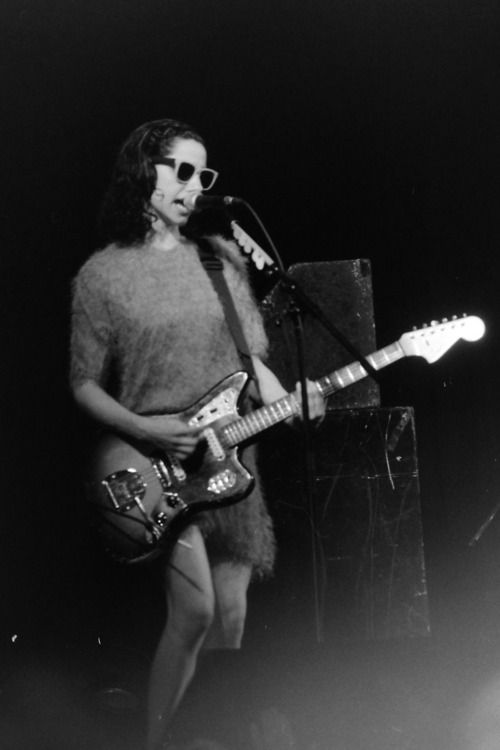
PJ Harvey
While not exclusively a grunge artist, PJ Harvey’s early albums like Rid of Me became essential listening for fans of the genre. Harvey’s music was as raw and uncompromising as the grunge ethos, delving into themes of desire, anger, and independence. Her minimalist aesthetic—often seen in stark black outfits—reflected the stripped-down nature of her sound. Tracks like “50 Ft Queenie” showcased her ability to balance aggression with vulnerability, making her one of the most compelling figures of the era. Harvey’s fearless approach to songwriting and performance earned her a devoted following and cemented her place in 90s music history.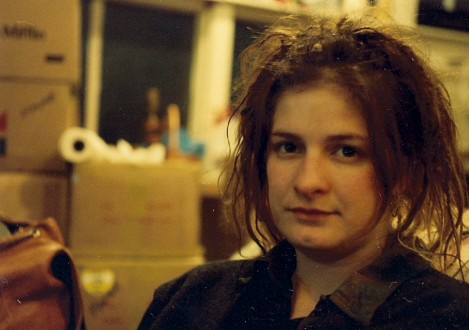
Mia Zapata
As the lead singer of The Gits, Mia Zapata was a rising star in the grunge and punk scenes. Her powerful, soulful voice carried songs that tackled themes of alienation and defiance. Tracks like “Second Skin” showcased her ability to blend raw emotion with punk grit. Tragically, Zapata’s life was cut short in 1993, leaving behind a legacy of immense talent and what could have been. Her death also galvanized the music community, leading to the creation of self-defense organizations like Home Alive. Zapata’s influence endures as a reminder of the impact women had on the grunge movement.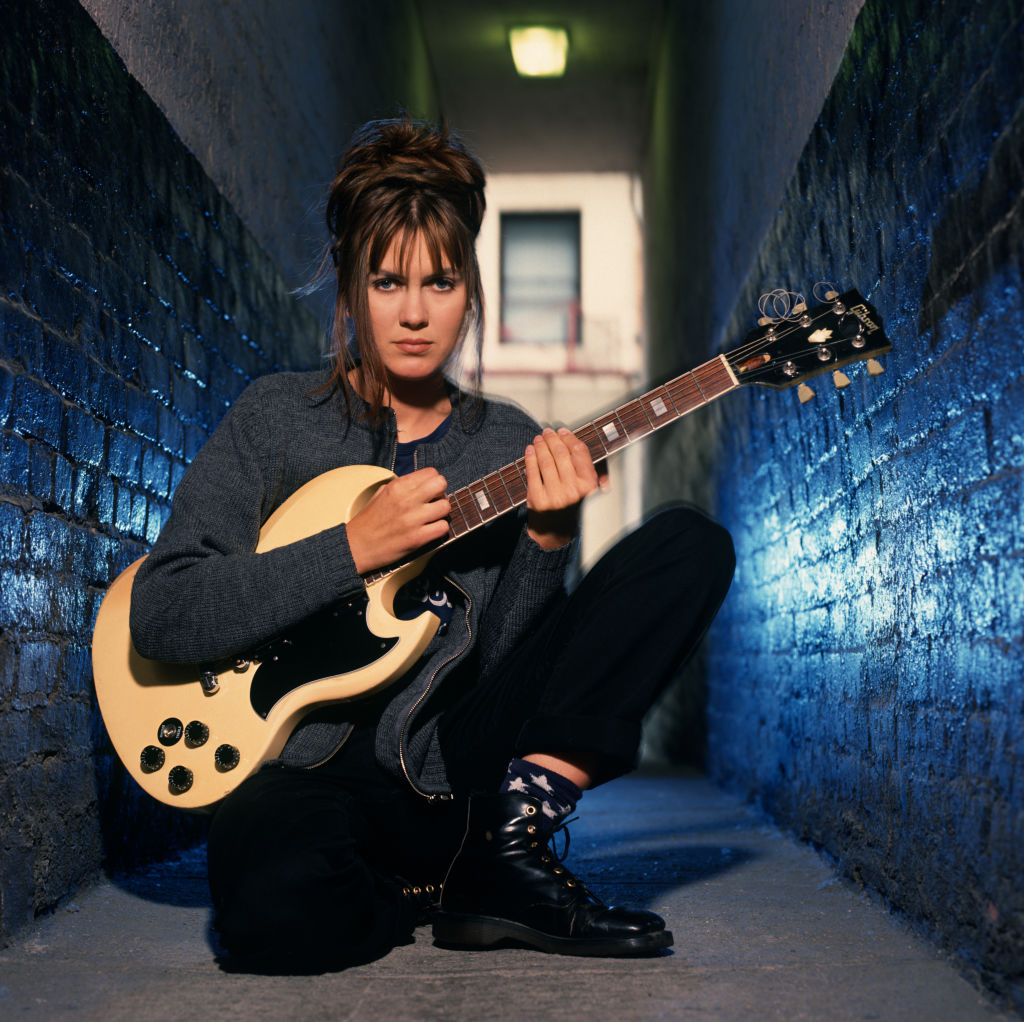
Juliana Hatfield
Juliana Hatfield’s introspective lyrics and understated style made her a standout figure in the grunge-adjacent world of 90s alternative rock. Albums like Become What You Are captured the angst and uncertainty of young adulthood, resonating with fans who craved authenticity. Hatfield’s soft yet poignant voice stood in contrast to the louder, more abrasive sounds of grunge, but her DIY ethos and raw honesty aligned her with the movement’s core values. Whether performing solo or as part of the Juliana Hatfield Three, she left a lasting impression on the decade’s music landscape.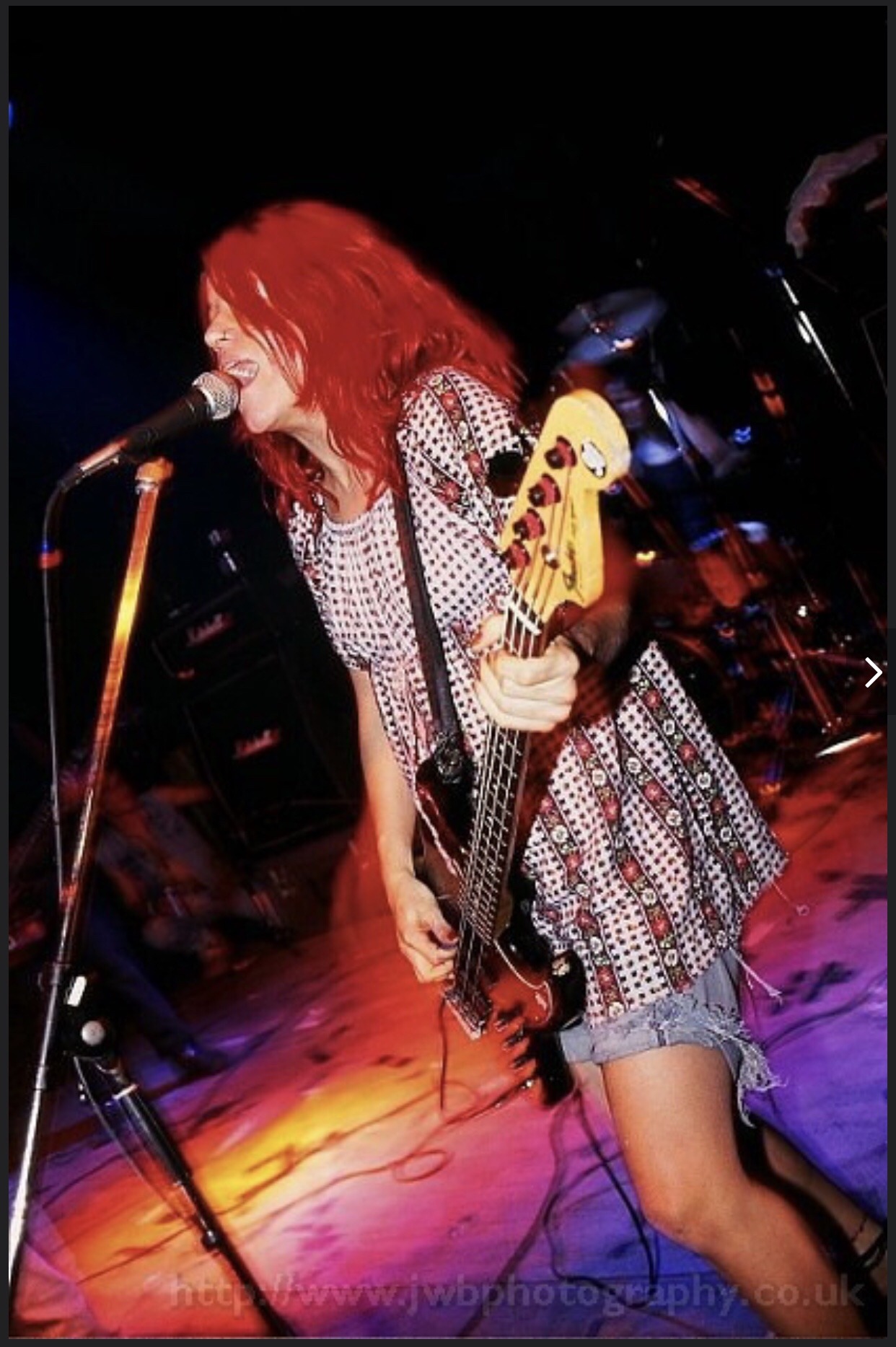
Jennifer Finch
As the bassist of L7, Jennifer Finch embodied the rebellious spirit of grunge. Her thunderous basslines and cool, unpolished style made her a fan favorite. Finch was also a skilled photographer, documenting life on the road and giving fans a behind-the-scenes glimpse into the grunge lifestyle. Her ability to balance artistic expression with raw energy made her an essential part of L7’s success and a key figure in the grunge movement.