

A Decade Of Everything All At Once
The 1990s were a vibrant time for visual culture, blending gritty street art, bold pop colors, and the influence of pop culture icons. Art in the 90s didn’t just hang on gallery walls; it was everywhere—on the streets, in fashion, and in magazines. Let’s explore ten defining art styles that gave the 90s its unforgettable look.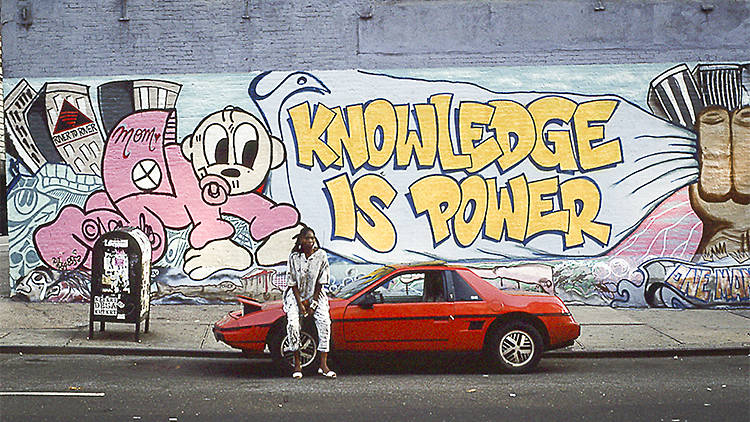
Graffiti, Art for the Streets
Graffiti was more than rebellious self-expression; in the 90s, it became a respected art form. Artists like Keith Haring and Jean-Michel Basquiat had set the stage. Still, the 90s saw graffiti gaining acceptance in galleries and museums. Bold tags, intricate murals, and political messages became essential parts of urban landscapes worldwide, turning graffiti into a central and influential element of 90s visual culture.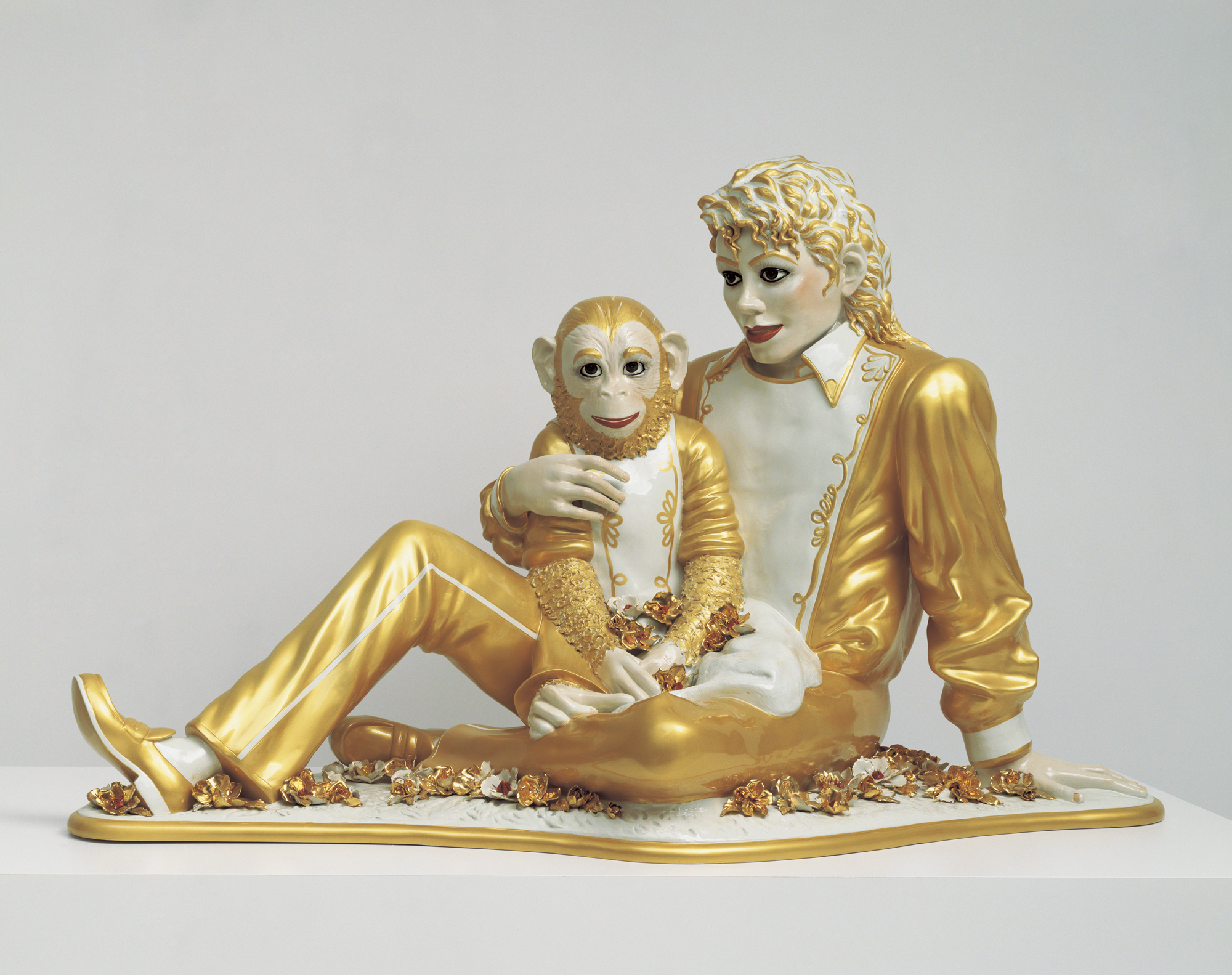
Pop Art Resurgence
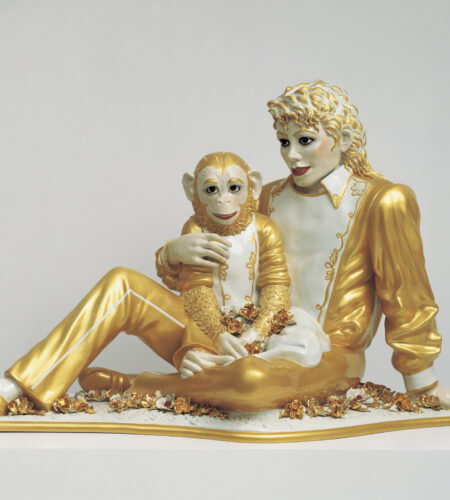
Though Pop Art had its heyday in the ’60s, the ’90s brought it back with a colorful twist. Neon colors, exaggerated designs, and nods to vintage advertising appeared everywhere, from T-shirts to album covers. Pop Art in the 90s was playful, cartoonish, and often nostalgic, blending past trends with modern edge. The style exploded in popularity, transforming everything it touched with a sense of fun and vibrancy.
Hip Hop Aesthetics
Hip-hop wasn’t just a musical genre in the 90s but an entire lifestyle. This culture came with a bold, unmistakable visual style. Hip-hop art featured bright colors, graphic patterns, and designs inspired by graffiti. Album covers and fashion brands like FUBU used these elements to celebrate hip-hop culture. This art style was bold and unapologetic, reflecting the energy and innovation of hip-hop’s golden era.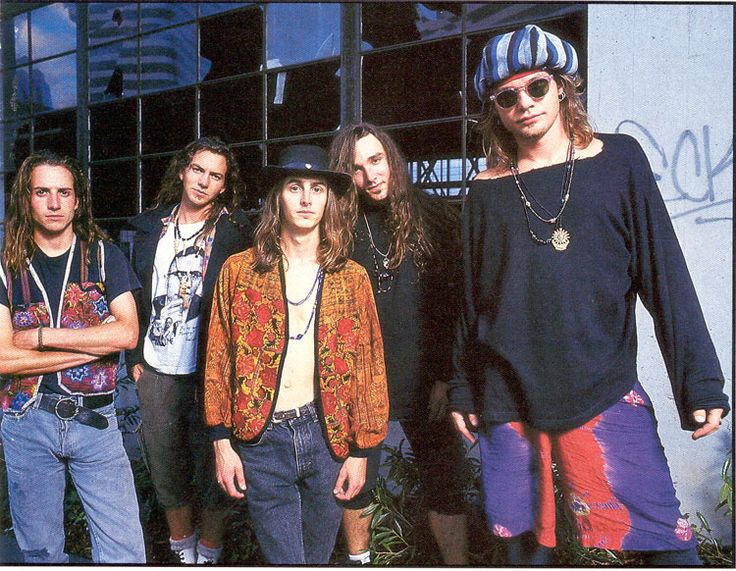
Grunge , The Raw and Real Look
Grunge wasn’t only a music genre but a defining visual style. Inspired by bands like Nirvana and Pearl Jam, grunge art was messy, raw, and authentic. Posters and album art featured gritty textures, muted colors, and a DIY aesthetic. This style rejected the glossy, polished look of the 1980s and embraced a more flawed, real appearance. Grunge’s raw look became symbolic of the era’s spirit—honest, flawed, and full of feeling.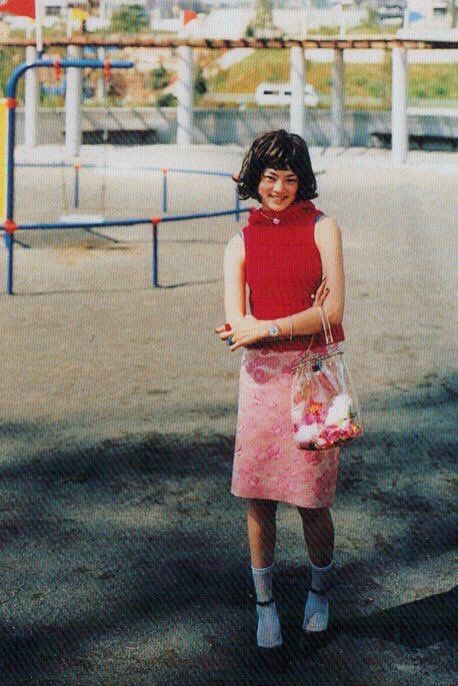
Anime and Manga Influence, Japan Goes Global
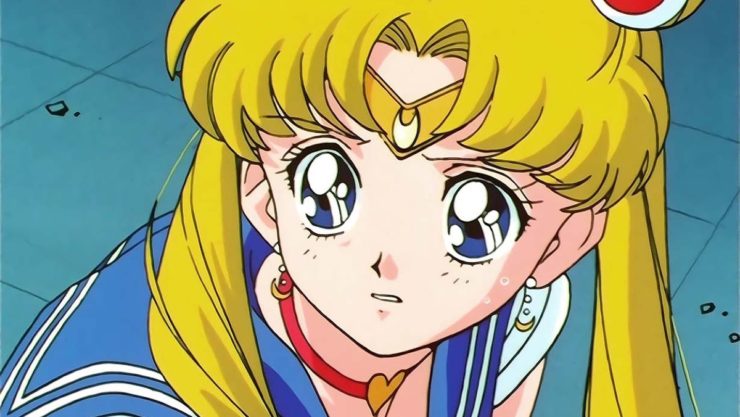
The 90s marked a global boom for anime and manga, bringing Japanese art styles into the mainstream and connecting cultures across the world. Exaggerated emotions, wide eyes, and dynamic characters found a new, eager audience outside Japan. Shows like Sailor Moon and Dragon Ball Z spread this style, influencing cartoons, fashion, and even Western comic books. Anime-inspired visuals became a staple of 90s pop culture, bringing a unique international element to the decade’s art scene.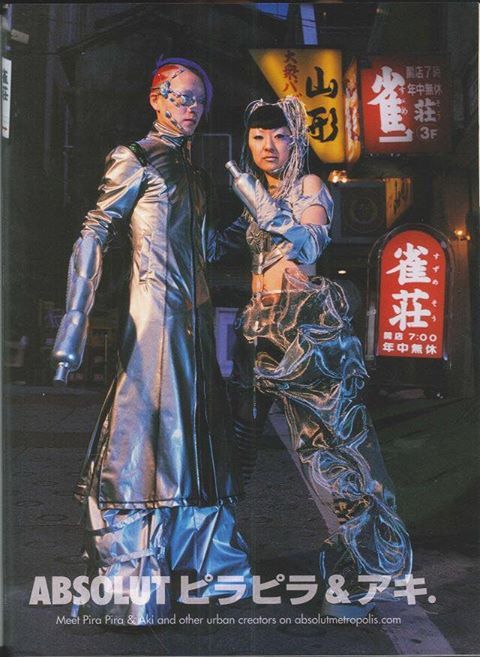
Cyberpunk, A Futuristic, Dystopian Vision
With its high-tech, low-life aesthetic, cyberpunk art found its place in 90s culture, capturing the rebellious energy of a generation grappling with rapid technological change. Influenced by movies like Blade Runner and video games like Final Fantasy, cyberpunk featured neon lights, dystopian imagery, and an edgy, tech-driven look. It was dark yet vivid, blending futuristic themes with a gritty, rebellious energy. Cyberpunk created a captivating vision of the near future, full of excitement and change.
Minimalism
Minimalism gained major popularity in the 90s. This style, focusing on clean lines, neutral colors, and open spaces, embodied the “less is more” philosophy. Minimalism appeared everywhere, from interior design to graphic design and fashion. It became the go-to aesthetic for tech companies, lifestyle brands, and art galleries, offering a calm and balanced visual contrast to the era’s louder styles.
Surrealism in Advertising
Surrealism enjoyed a strange and exciting comeback in 90s advertising. Brands began using surreal, dreamlike imagery to stand out and intrigue viewers. From soda ads to sneaker commercials, surreal visuals drew people in and became memorable. These ads blended humor with fantasy, making the viewer pause and think. This surreal touch turned everyday products into artistic statements, adding a layer of creativity and wit to 90s advertising.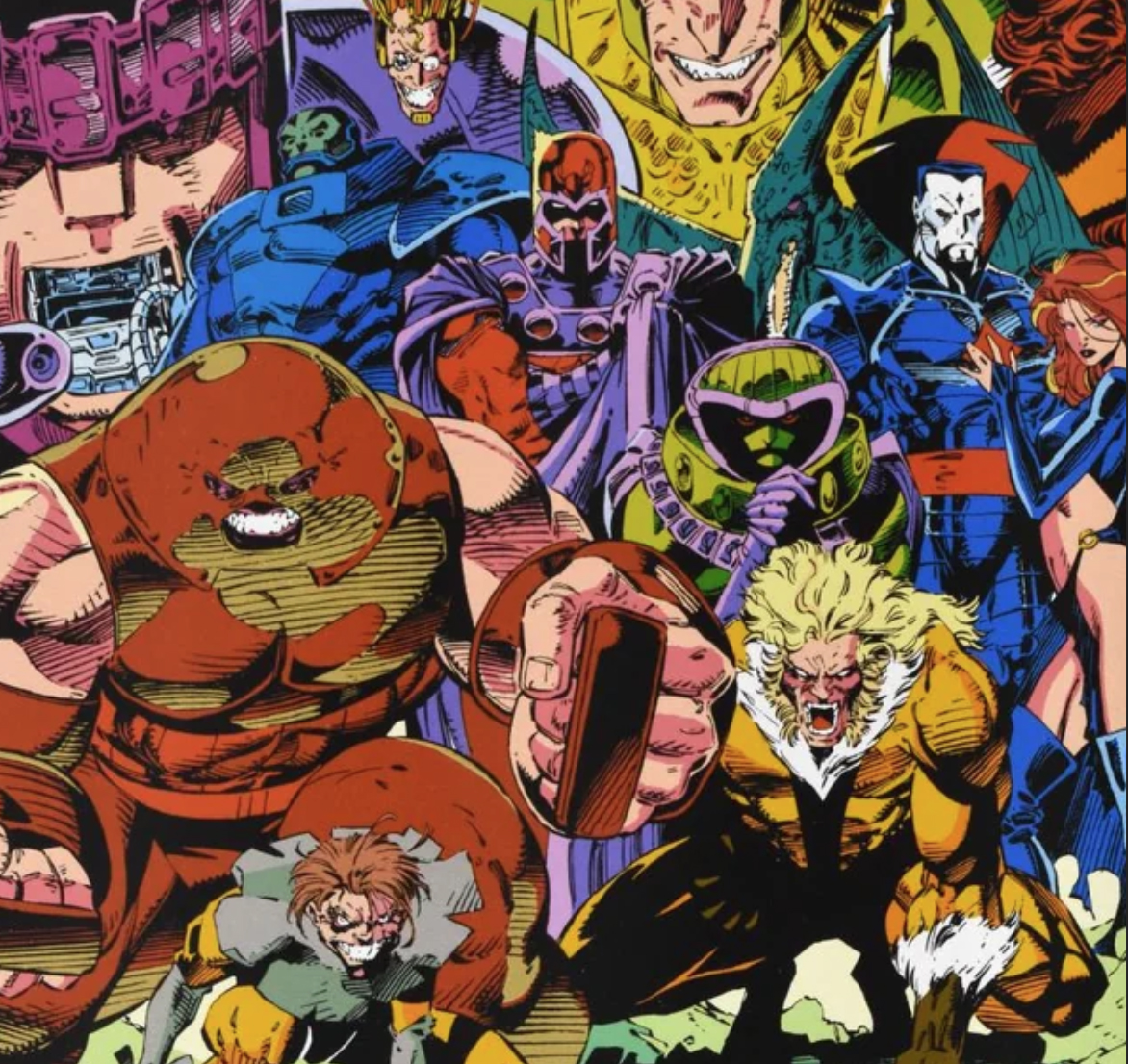
Comic Book Aesthetics
The 90s were a golden age for comic books, with Marvel and DC characters reaching new heights of fame and inspiring a generation. Comic art featured bold lines, exaggerated muscles, and expressive action scenes that could be seen in movie posters, fashion, and video game art. It wasn’t just for kids; comic book art became a popular and respected style that added excitement and heroism to the visual landscape of the 90s, inspiring a new wave of creativity.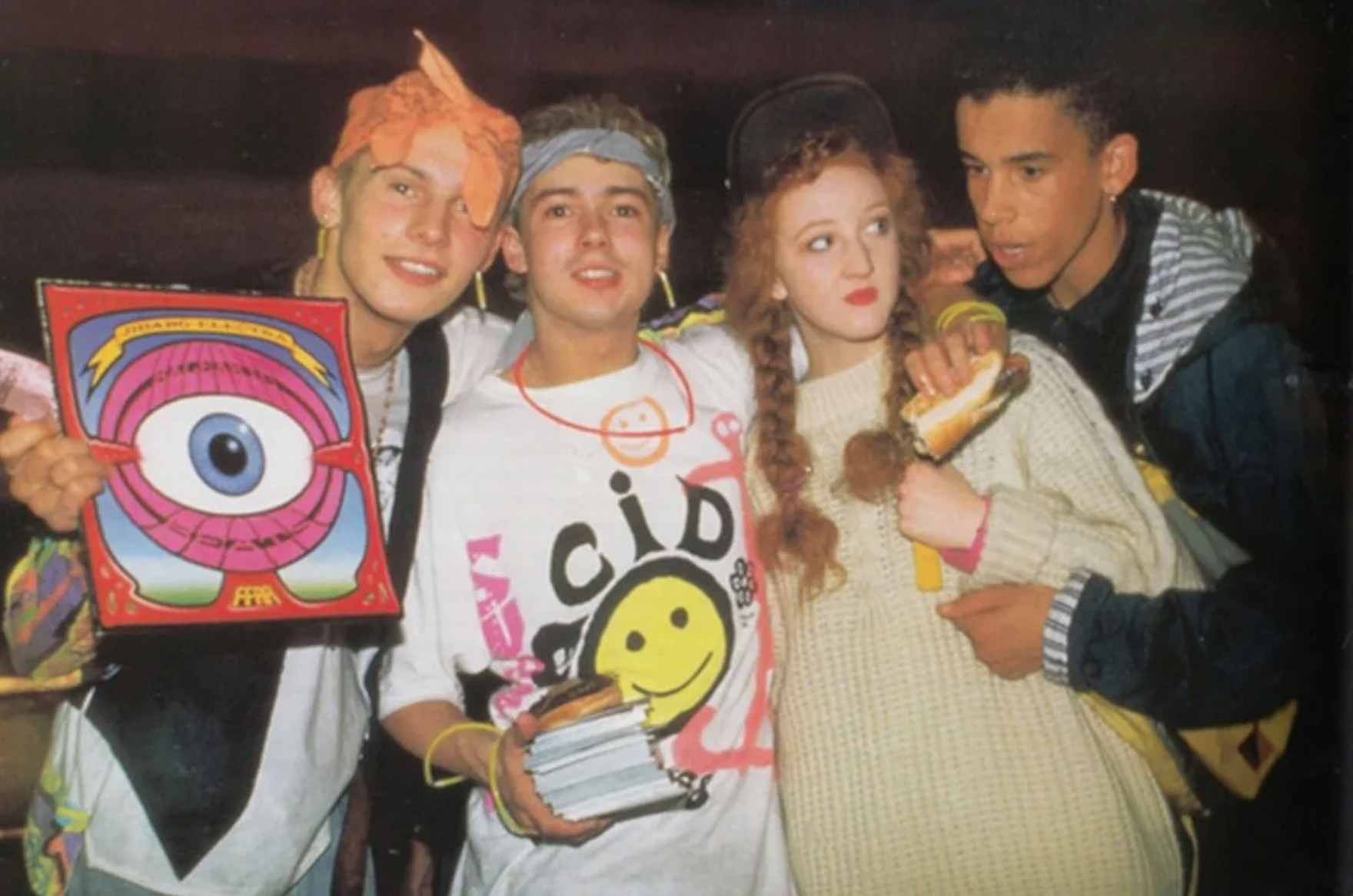
Psychedelic Revival
The 90s saw a revival of psychedelic art, especially in music and fashion. Inspired by the 60s, psychedelic designs featured swirling patterns, intense colors, and surreal imagery. The style appeared widely in concert posters, album covers, and rave fashion, reflecting the experimental energy of 90s counterculture. Psychedelic visuals offered a kaleidoscopic escape from the ordinary, celebrating freedom and self-expression.