


Emergence of the Genre
Reality television began to take shape as a distinct genre in the early 1990s with shows like The Real World, which focused on the interactions of strangers living together in a house.
Real People's Impact
Real People’s Impact: The show Real People, created by George Schlatter, was a surprise hit for NBC from 1979 to 1984, paving the way for other reality shows and demonstrating the potential of unscripted programming.
Pioneering Concepts
Pioneering Concepts: The Dutch series Nummer 28, which aired in 1991, introduced the concept of placing strangers in a confined environment to capture the resulting drama. This format influenced later shows like Big Brother and The Real World.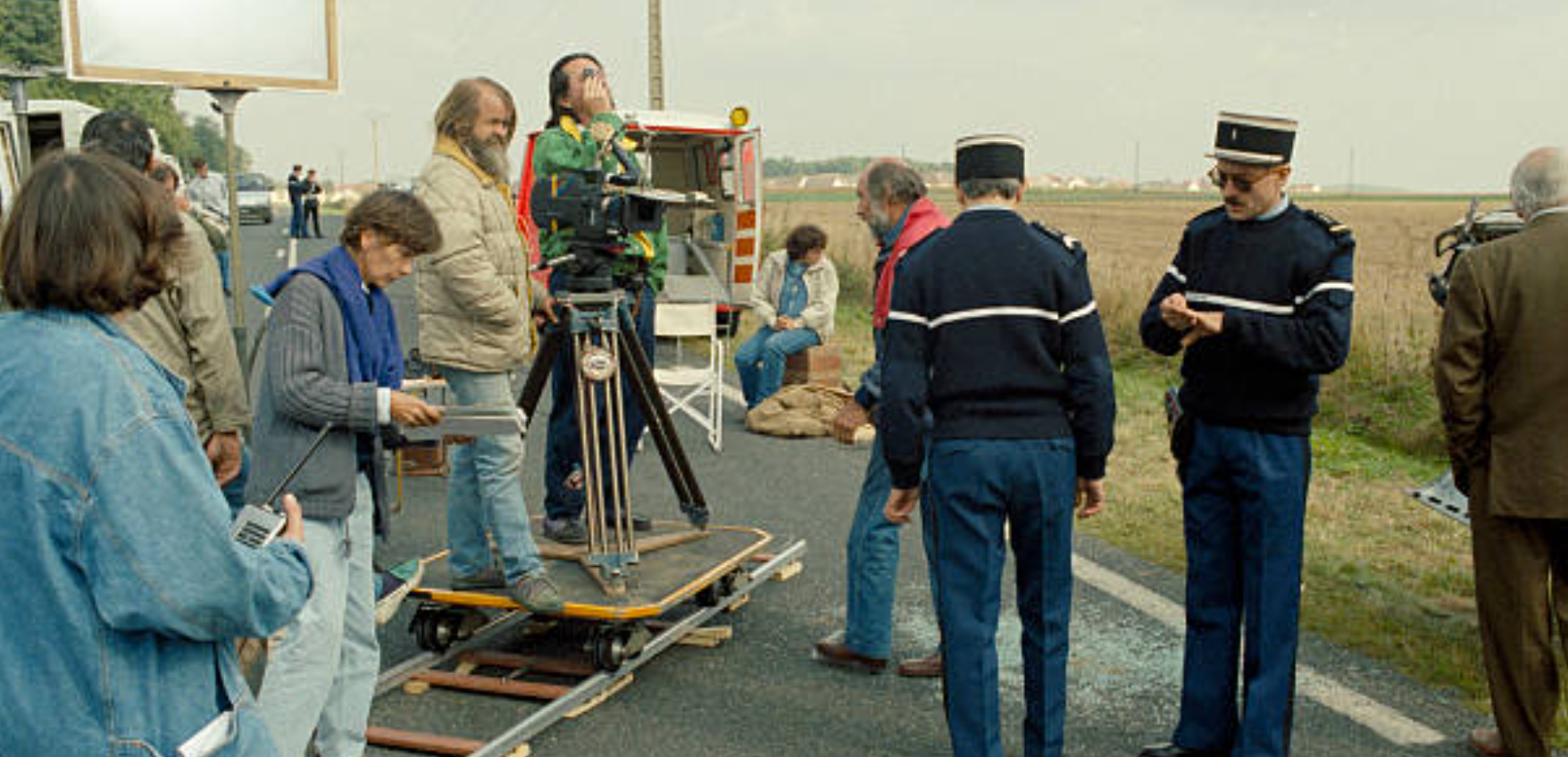
COPS showcased real police
Premiering in 1989, COPS showcased real police work and introduced the “camcorder look” that characterized much of later reality television.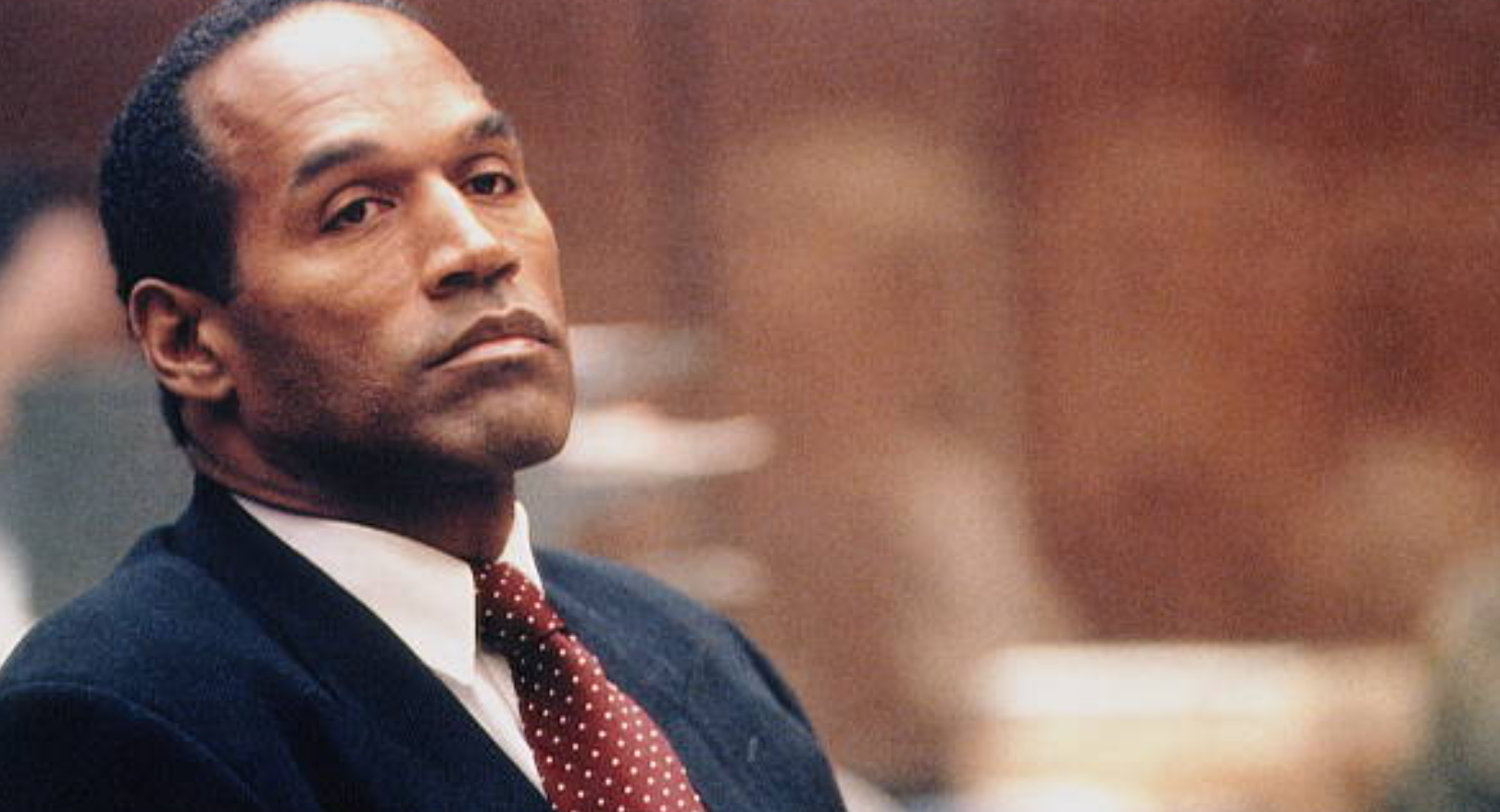
O.J. Simpson murder case
The 1994–95 O.J. Simpson murder case was a landmark moment for reality television, as live coverage dominated airwaves, blurring the lines between news and reality programming. The case’s sensational nature captivated audiences and sparked widespread discussion.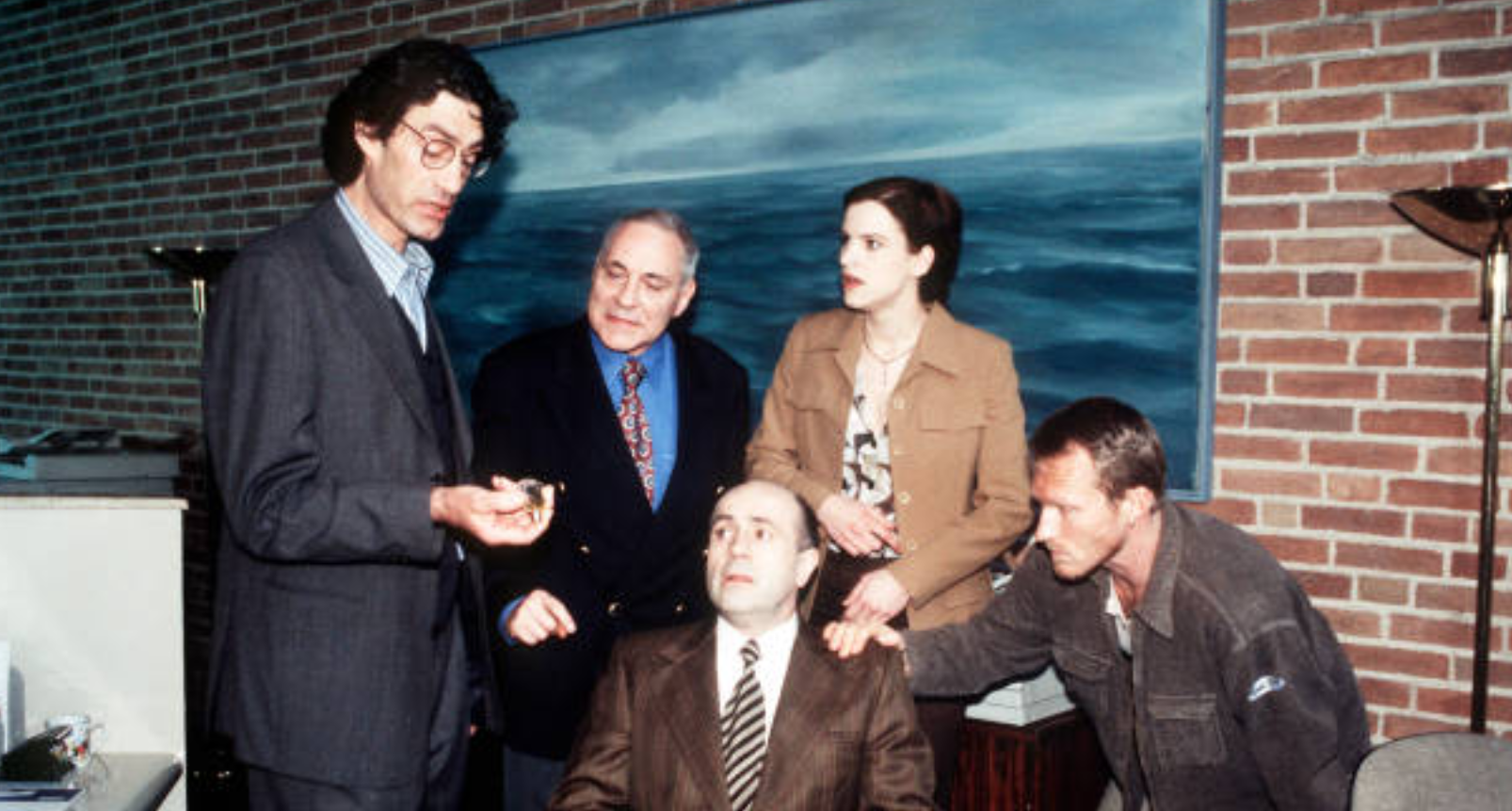
Survivor's Competitive Edge
Survivor’s Competitive Edge: The Swedish series Expedition Robinson, which debuted in 1997, introduced competition and elimination elements to reality television.
Global Franchises
Global Franchises: The genre gained massive popularity in the early 2000s with hits like Survivor, American Idol, and Big Brother, which have since become global franchises, spawning numerous international versions.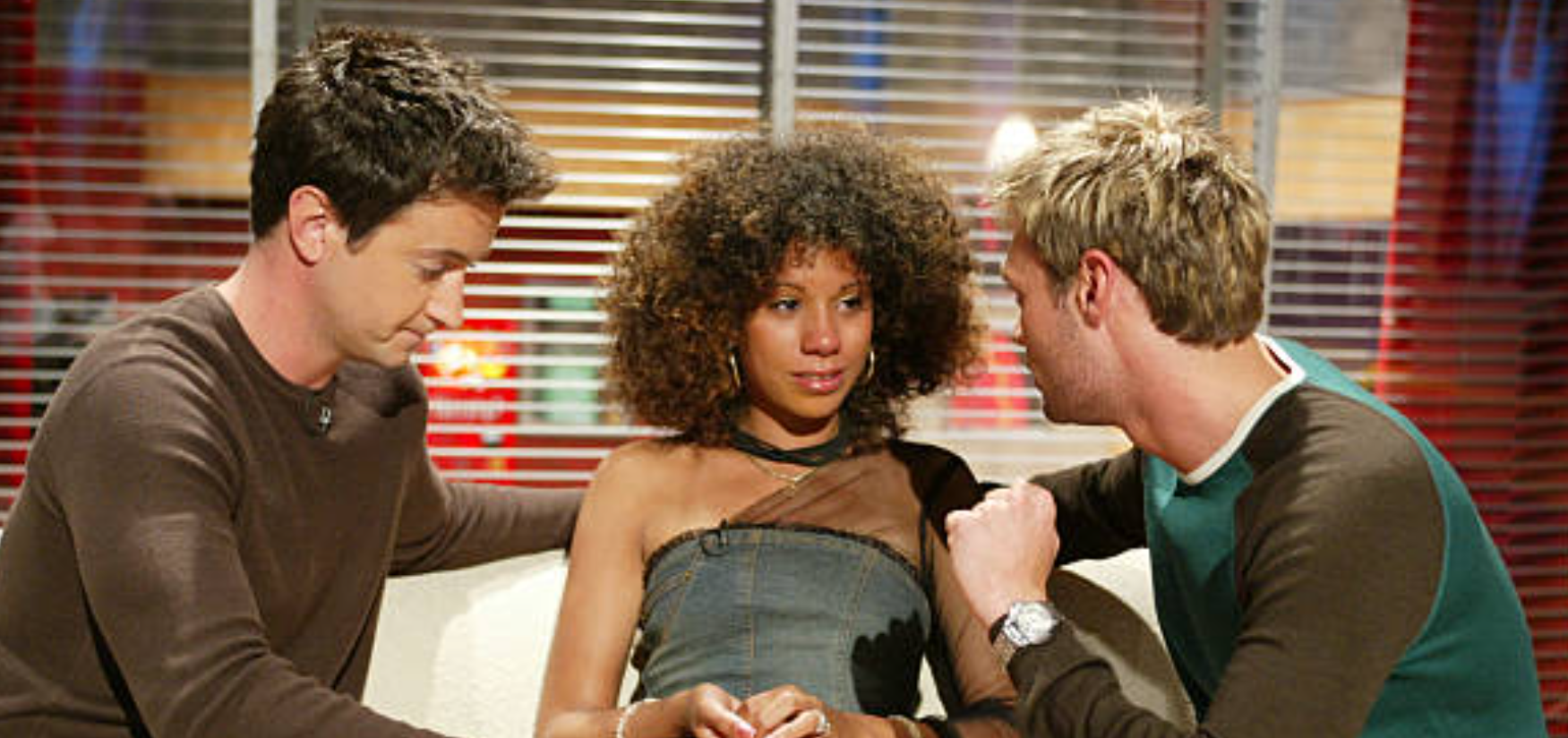
Confessionals
Confessionals: A hallmark of many reality shows, particularly in American television, is the “confessional” segment, where participants provide commentary or insights about their experiences, adding a layer of narrative to the unfolding events.
Competition and Elimination
Competition and Elimination: Many reality shows are competition-based, featuring a format where participants are gradually eliminated through votes by judges, viewers, or other contestants, creating suspense and engagement.
Retroactive Classification
Retroactive Classification: Some older television programming, such as hidden camera shows and talent-search competitions, has been retroactively classified as reality television, even though they predate the genre’s mainstream popularity.
Criticism of Authenticity
Criticism of Authenticity: Reality television has faced substantial criticism for its portrayal of real life. Critics argue that the genre often misrepresents reality through staged scenarios, misleading editing, and coaching of participants.
Exploitation Concerns
Exploitation Concerns: Many reality shows have been accused of exploiting their participants, creating situations designed to humiliate or provoke them for entertainment value, raising ethical concerns about the treatment of cast members.
Creation of Fame
Creation of Fame: Reality television has been criticized for elevating individuals to celebrity status despite their lack of traditional talent or skills, leading to debates about the nature of fame in contemporary culture.
Impact on Culture
Impact on Culture: The rise of reality television has influenced popular culture significantly, shaping trends, language, and social norms, often glamorizing behaviors that some deem vulgar or inappropriate.
Diverse Subgenres
Diverse Subgenres: Reality television encompasses a wide range of subgenres, including lifestyle shows, dating competitions, home improvement series, and talent contests, highlighting the versatility and appeal of the format across different audiences.