

Typhoon Angela, 1995
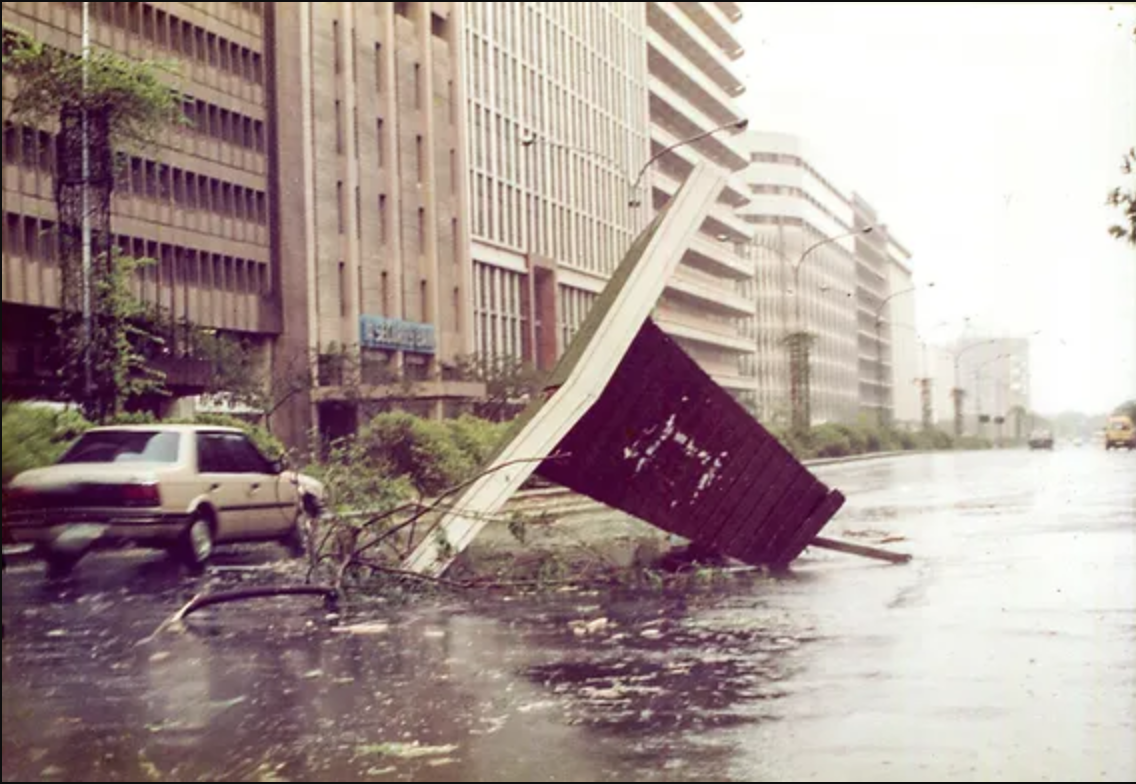
Known as Typhoon Rosing in the Philippines, Typhoon Angela struck in November 1995 with winds that peaked at 160 mph. The powerful storm displaced entire communities, destroying homes and uprooting trees, as power lines were snapped across the archipelago. Angela’s severity reminded everyone of the destructive potential of Pacific typhoons, particularly for regions with high population densities. This event prompted local governments to strengthen building codes and improve emergency response strategies.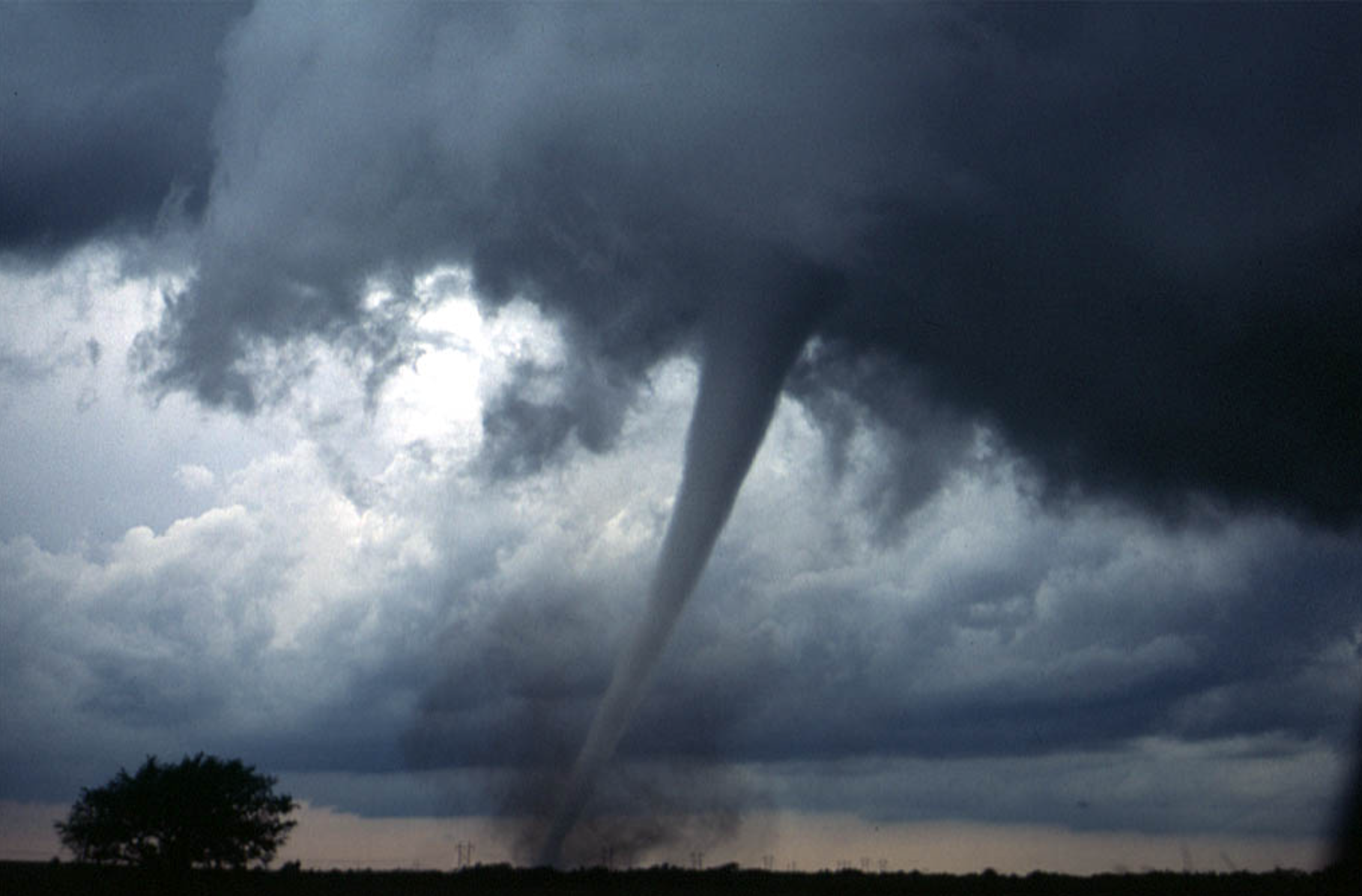
The Tornado Outbreak of 1999
The decade ended with a fierce tornado outbreak that ravaged Oklahoma, leaving an unforgettable mark on the region. On May 3, 1999, an F5 tornado tore through the Oklahoma City area with wind speeds exceeding 300 mph, flattening homes and leaving destruction in its wake. This tornado, along with others that followed in subsequent days, killed dozens and injured hundreds, leaving scars across the landscape. The event catalyzed advancements in tornado warning systems and stressed the importance of storm shelters in “Tornado Alley.”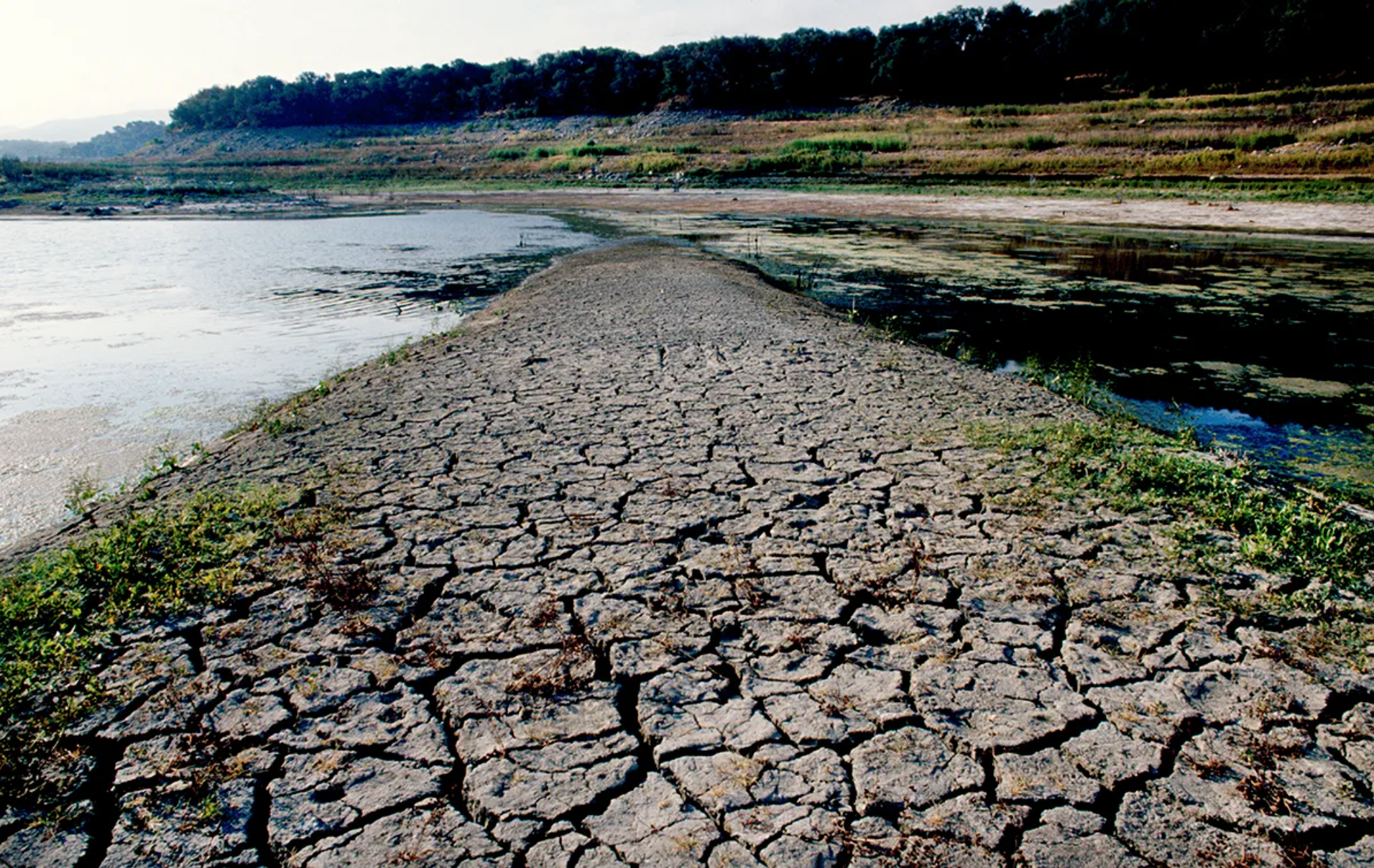
California's Droughts, A Decade-Long Struggle
California grappled with significant drought conditions throughout the 1990s, putting immense pressure on the state’s water resources. Crops withered, and water restrictions became common as reservoirs dropped to dangerously low levels. The prolonged dry conditions pushed residents to adopt more conservative water practices, leading to substantial changes in water management policies. This struggle emphasized the importance of sustainable water use in regions dependent on limited water supplies, setting the foundation for many of today’s conservation policies.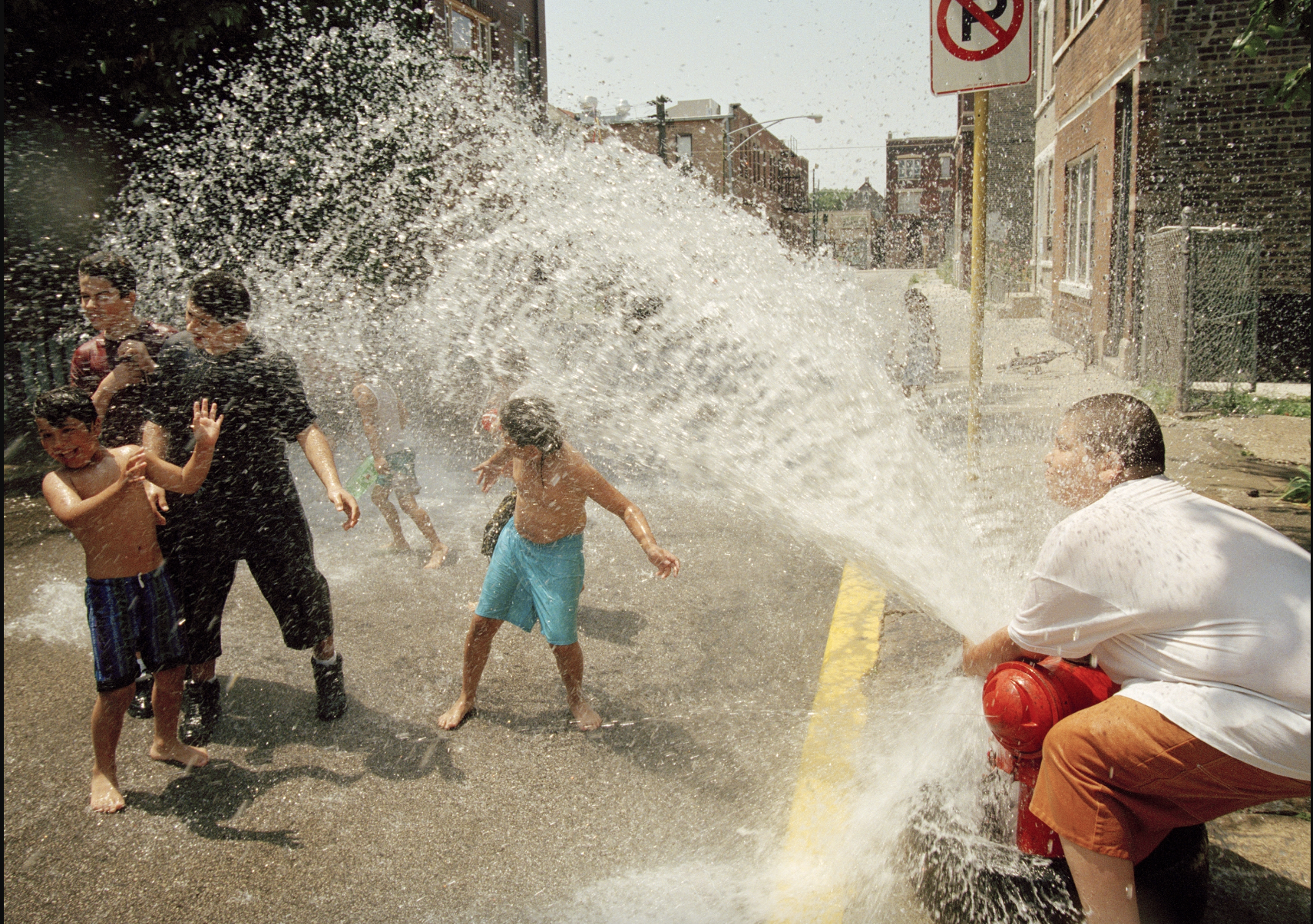
The 1995 Chicago Heat Wave
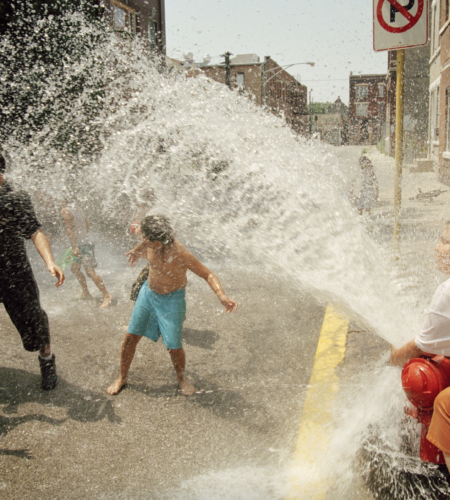
In July 1995, Chicago faced a brutal heat wave with temperatures soaring above 100°F and humidity levels that made it feel even hotter. The city struggled to cope as the intense heat overwhelmed emergency services and hospitals, tragically claiming over 700 lives, mostly elderly residents and those without air conditioning. This event raised critical awareness about the dangers of extreme heat in urban areas. It emphasized the importance of public health measures, like cooling centers and community check-ins during heat waves. Chicago’s response eventually led to new safety protocols, which remain vital to heatwave response today.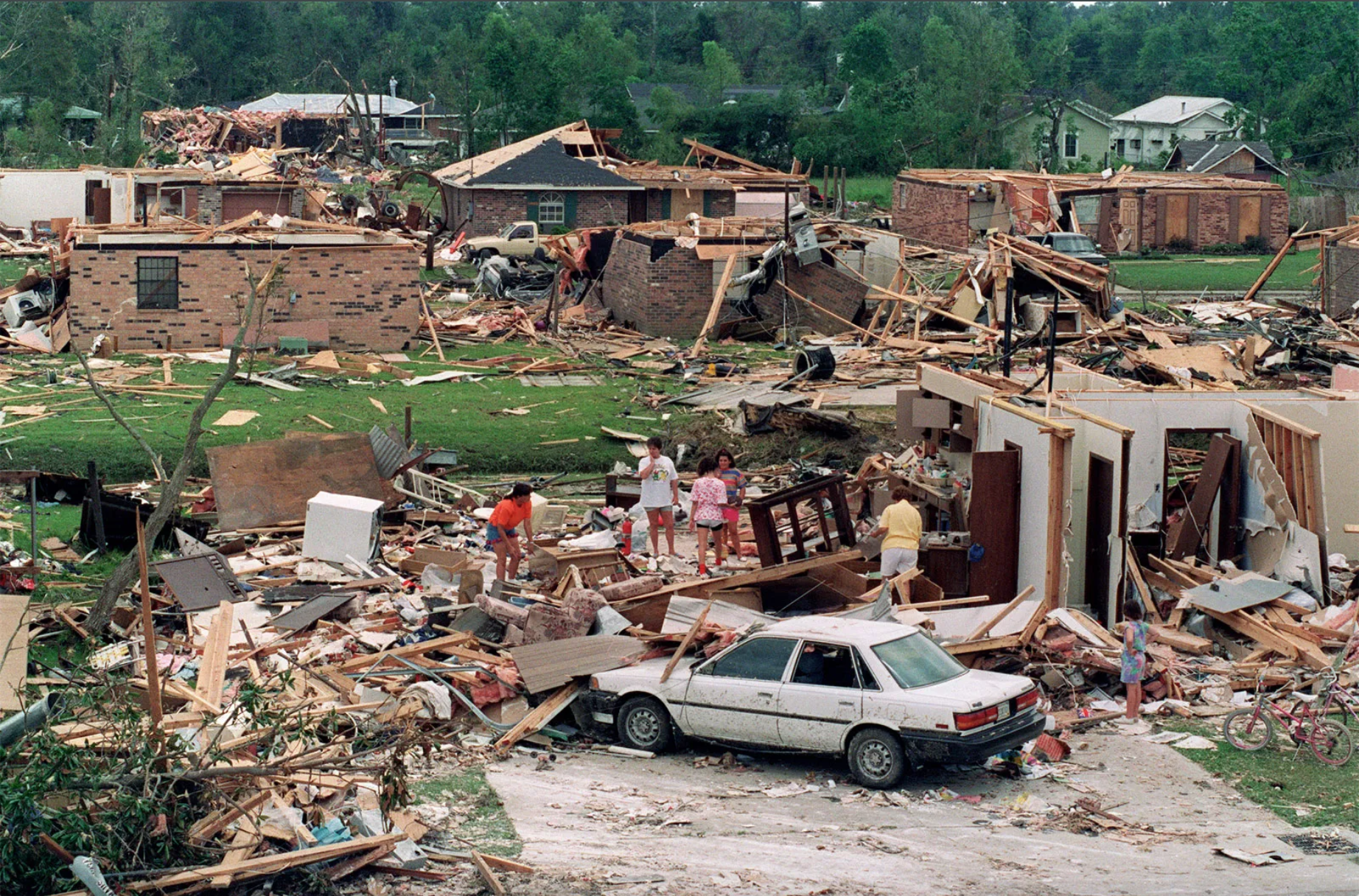
Hurricane Andrew, A Category 5 Beast
In August 1992, Hurricane Andrew tore through the Bahamas before landfall in South Florida with 165 mph winds. It left South Florida in ruins, destroying over 60,000 homes, uprooting countless trees, and causing $25 billion in damages. Entire neighborhoods were flattened, and hundreds of thousands were left homeless. Andrew’s destruction led Florida to enact sweeping changes to its building codes, making homes more resilient in the face of hurricanes—a legacy that remains essential for regional safety.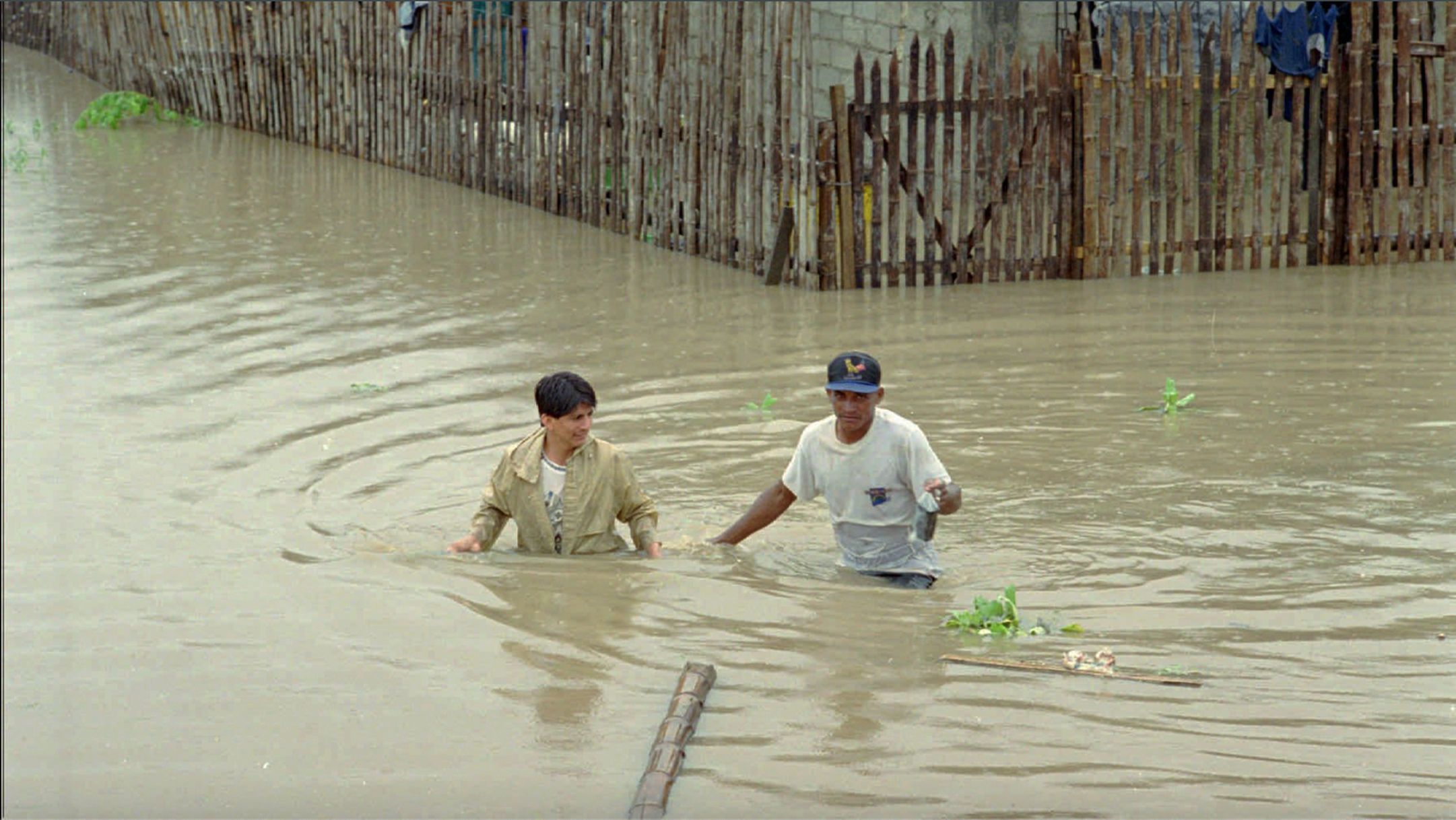
The El Niño of 1997-1998
The 1997-1998 El Niño event, one of the strongest on record, brought bizarre weather patterns worldwide. In California, intense rains led to severe flooding and landslides, while in Southeast Asia, droughts caused massive agricultural losses and rampant wildfires. Rising ocean temperatures also had surprising effects on marine life and food chains across the globe. This intense El Niño highlighted how climate patterns in one area can create weather chaos across continents and emphasized the need for predictive research and global preparedness.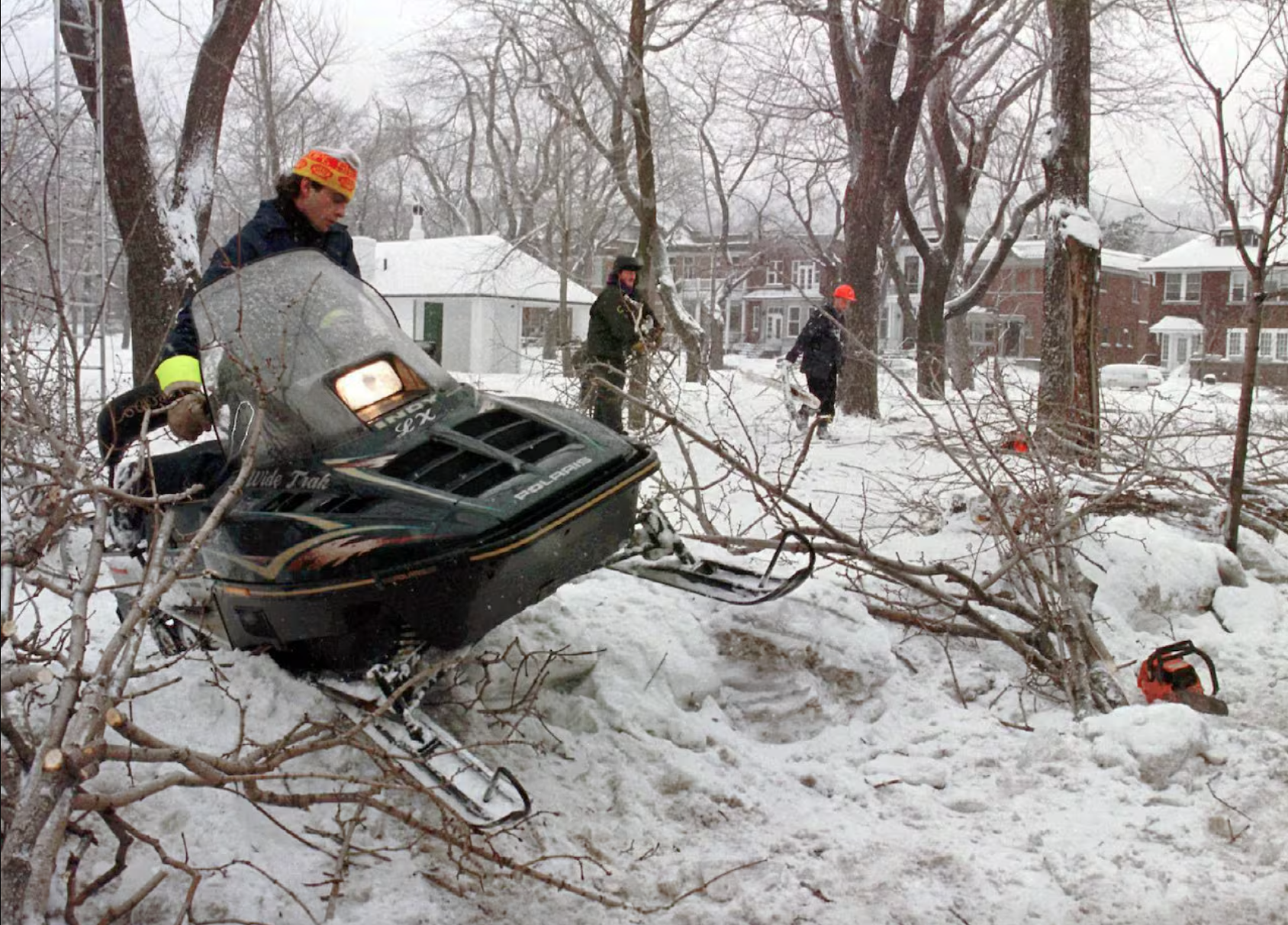
The Ice Storm of 1998
January 1998 brought an epic ice storm that turned parts of the northeastern U.S. and eastern Canada into frozen landscapes coated in thick layers of ice. Power lines snapped under the weight, leaving millions without electricity in the freezing cold. At the same time, roads became slick and treacherous, halting transportation for days. In Montreal and surrounding cities, the ice even caused building roofs to collapse. This disaster, one of North America’s worst ice storms, revealed the severe impact freezing rain can have on infrastructure and daily life.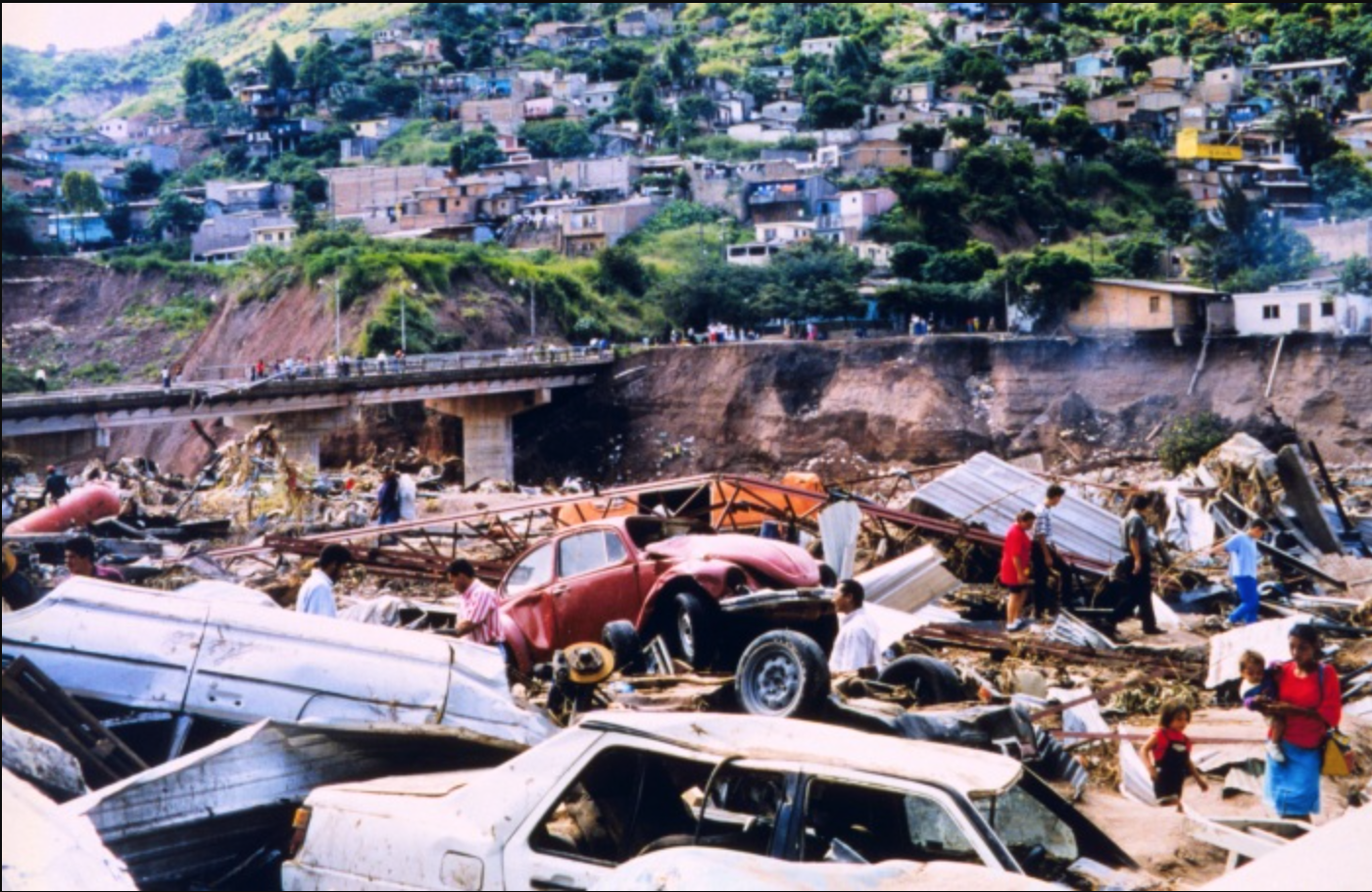
Hurricane Mitch, 1998
In October 1998, Hurricane Mitch struck Central America with a catastrophic impact, especially in Honduras and Nicaragua. Torrential rains led to enormous mudslides and flooding, destroying homes, roads, and farmland. Thousands of lives were lost, and the scale of destruction created a lasting humanitarian crisis. Mitch emphasized how vulnerable communities, especially those in economically challenged regions, suffered from severe weather and reinforced the importance of international aid in the wake of natural disasters.Typhoon Angela, 1995
Known as Typhoon Rosing in the Philippines, Typhoon Angela struck in November 1995 with winds that peaked at 160 mph. The powerful storm displaced entire communities, destroying homes and uprooting trees, as power lines were snapped across the archipelago. Angela’s severity reminded everyone of the destructive potential of Pacific typhoons, particularly for regions with high population densities. This event prompted local governments to strengthen building codes and improve emergency response strategies.The Tornado Outbreak of 1999
The decade ended with a fierce tornado outbreak that ravaged Oklahoma, leaving an unforgettable mark on the region. On May 3, 1999, an F5 tornado tore through the Oklahoma City area with wind speeds exceeding 300 mph, flattening homes and leaving destruction in its wake. This tornado, along with others that followed in subsequent days, killed dozens and injured hundreds, leaving scars across the landscape. The event catalyzed advancements in tornado warning systems and stressed the importance of storm shelters in “Tornado Alley.”California's Droughts, A Decade-Long Struggle
California grappled with significant drought conditions throughout the 1990s, putting immense pressure on the state’s water resources. Crops withered, and water restrictions became common as reservoirs dropped to dangerously low levels. The prolonged dry conditions pushed residents to adopt more conservative water practices, leading to substantial changes in water management policies. This struggle emphasized the importance of sustainable water use in regions dependent on limited water supplies, setting the foundation for many of today’s conservation policies.