


Fads That Were Here For a Moment Before Disappearing Forever
The 1990s were a decade defined by fleeting trends and quirky fads that burned brightly — and then disappeared just as quickly. It felt like every few months there was a new must-have item or activity that dominated our lives before fading into obscurity. Whether it was a collectible craze or a bizarre novelty, these fads had their moment in the sun before vanishing almost overnight. Let’s take a look back at some of the wildest 90s fads that swept through our lives and left us wondering, “Did that really happen?”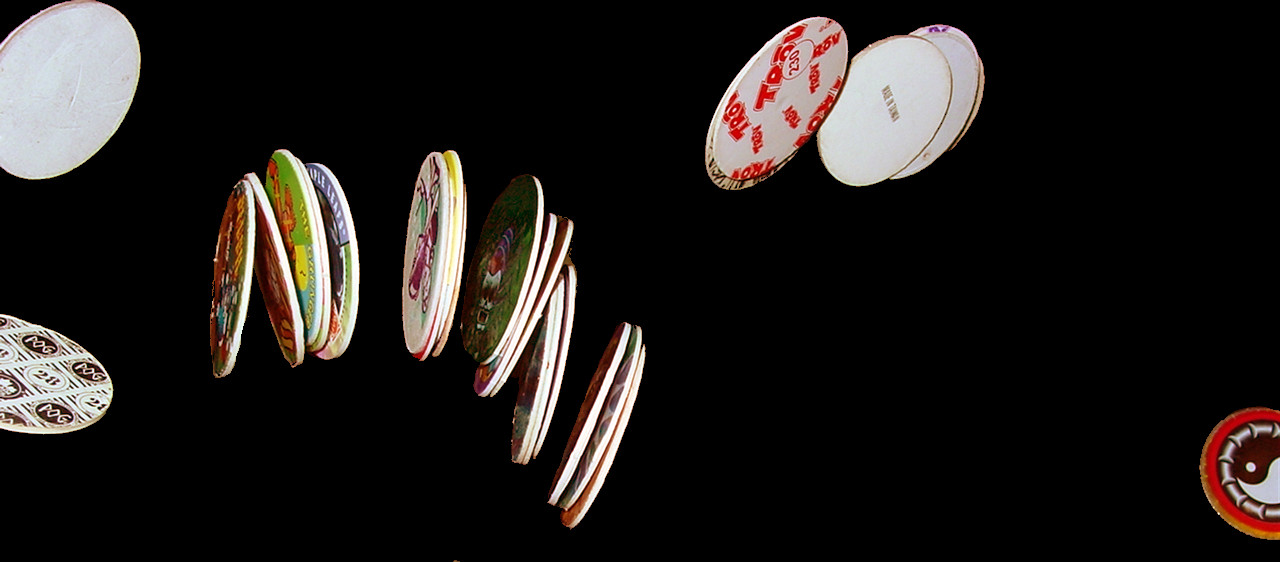
Pogs
If you were a kid in the 90s, you probably remember the obsession with Pogs — small, circular cardboard discs that became a playground phenomenon. The game was simple: stack your Pogs, slam them with a heavier disc called a “slammer,” and keep any that landed face-up. It was part game, part gambling, and totally addicting. Pogs came in every design imaginable, from cartoon characters to holographic prints, making them a collector’s dream. The fad exploded seemingly overnight, but just as quickly, kids lost interest. By the late 90s, Pogs had vanished, leaving behind piles of forgotten discs and a vague memory of recess battles gone by.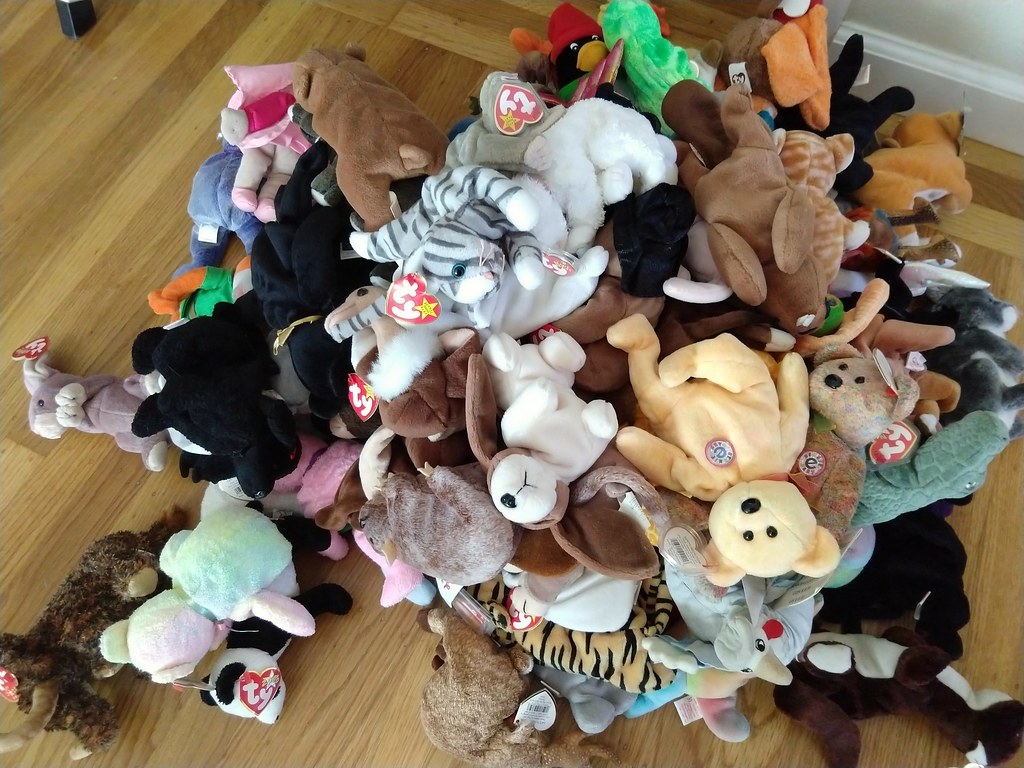
Beanie Babies
Beanie Babies were more than just stuffed animals — they were a full-blown craze, with collectors convinced they were investing in the next big thing. Released in the mid-90s, these plush toys filled with plastic pellets became must-have items, with rare versions fetching hundreds or even thousands of dollars. People lined up outside stores and scoured markets to find the elusive ones. But by the end of the decade, the bubble burst. The market was oversaturated, and people realized their collections weren’t as valuable as they’d hoped. Today, Beanie Babies are mostly a punchline, a relic of 90s consumer mania.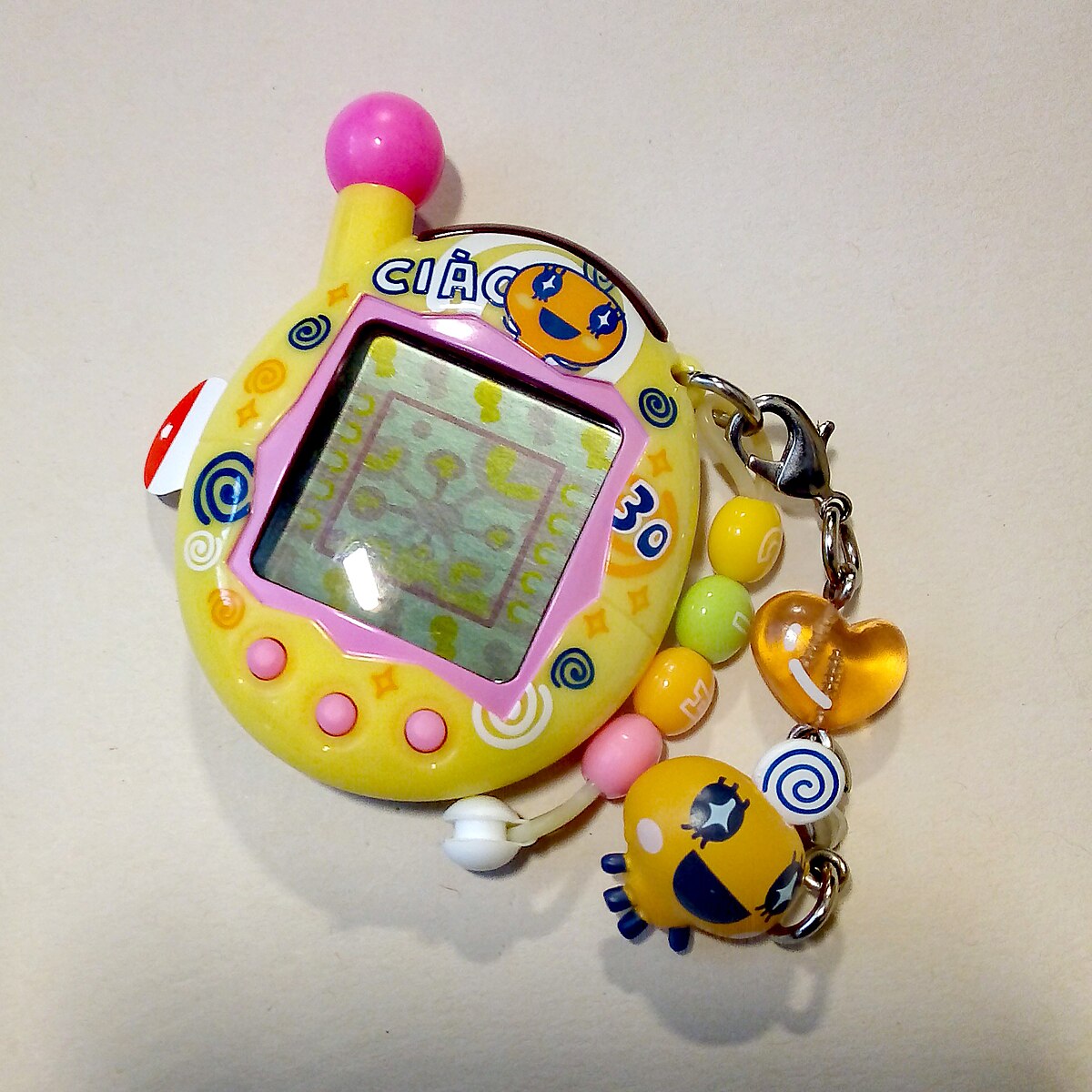
All-focus
Tamagotchis were tiny, egg-shaped digital pets that required constant care and attention. Released in 1996, these virtual companions became an instant hit, with kids everywhere obsessing over feeding, cleaning, and playing with their pixelated pets. The challenge was keeping your Tamagotchi alive — if you neglected it for too long, it would “die,” and you’d have to start over. Teachers and parents quickly grew tired of the incessant beeping, and schools often banned them. The fad burned out almost as quickly as it started, but anyone who owned a Tamagotchi still remembers the stress of trying to keep their little digital pet alive.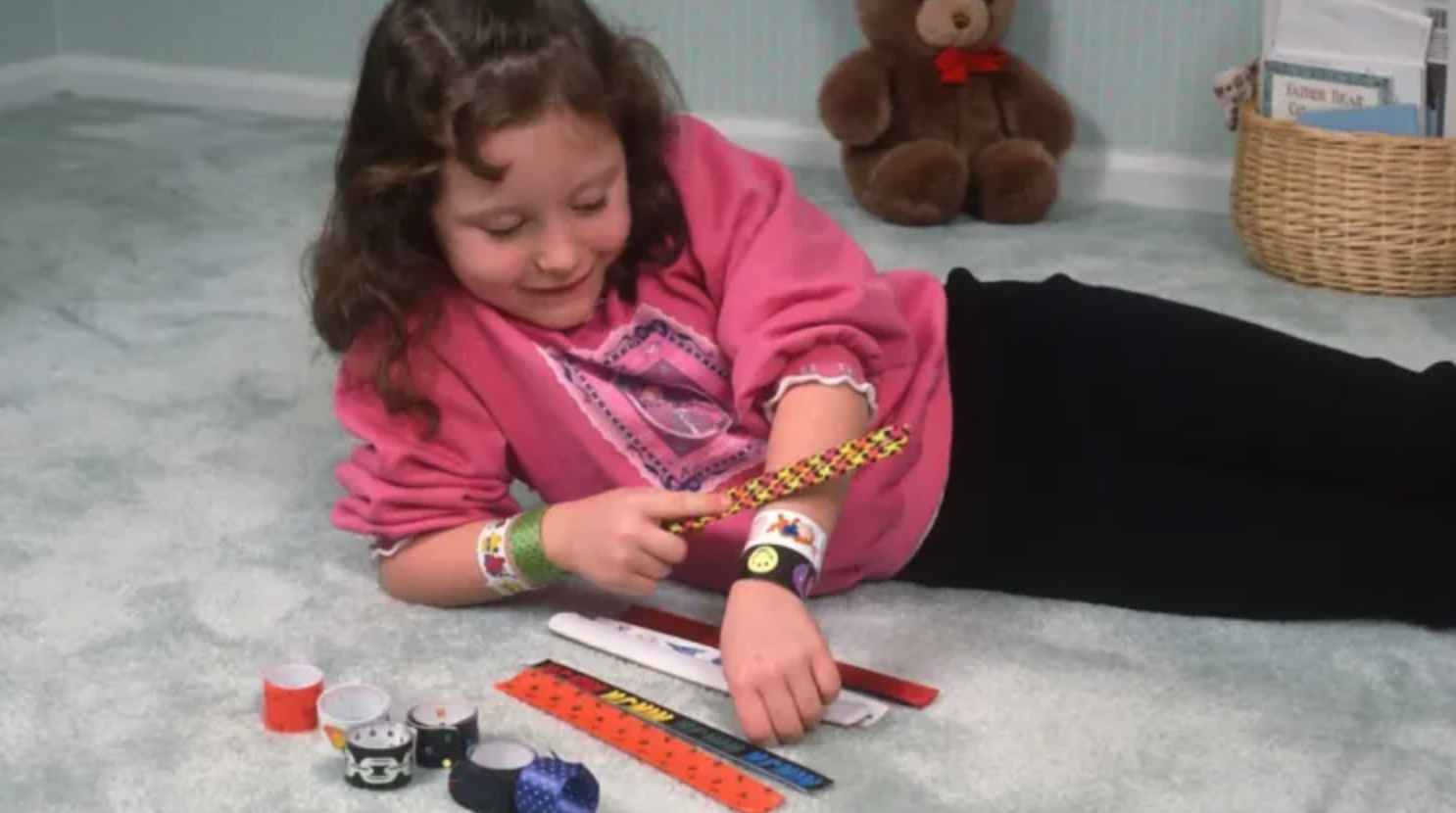
Slap Bracelets
Slap bracelets were the ultimate 90s fashion accessory: simple, satisfying, and a little bit dangerous. These metal bands were covered in colorful fabric, and all you had to do was slap them against your wrist for an instant bracelet. They became a must-have item for kids across the country, with endless designs to choose from. However, the craze ended just as fast as it started when reports of injuries — from the metal snapping through the fabric — led many schools to ban them. Slap bracelets faded away, but their brief popularity remains one of the most fun (and mildly hazardous) fads of the 90s.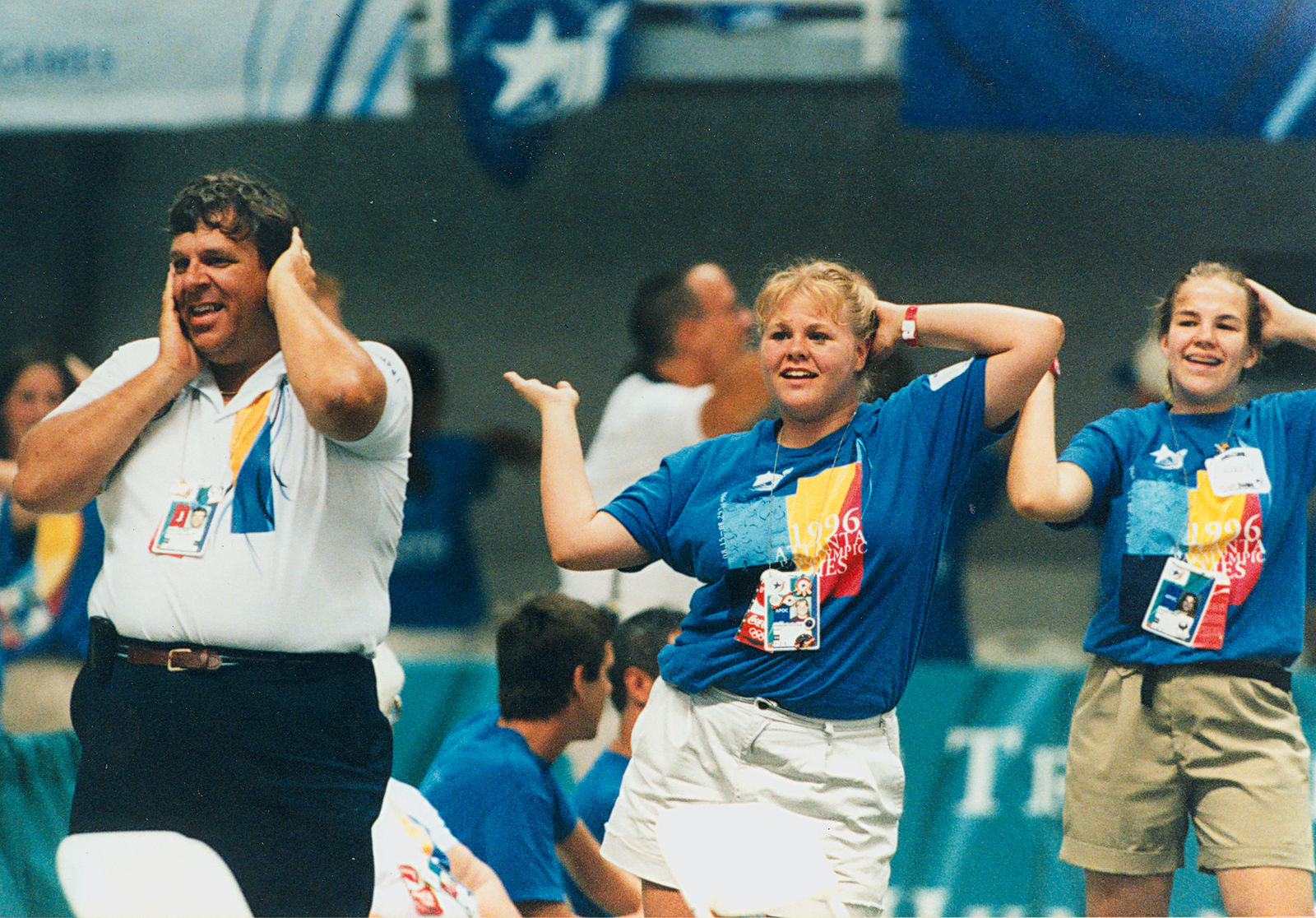
The Macarena
No 90s party was complete without the Macarena. The catchy tune by Los del Río and its iconic dance moves took the world by storm in 1995. It became a cultural phenomenon, played at every school dance, wedding, and sports event for years. Everyone knew the moves, and it was the ultimate way to get a crowd on their feet. But like most novelty dances, the Macarena quickly fell out of favor. By the end of the decade, it had become a cringe-inducing memory of a trend we were all too eager to leave behind.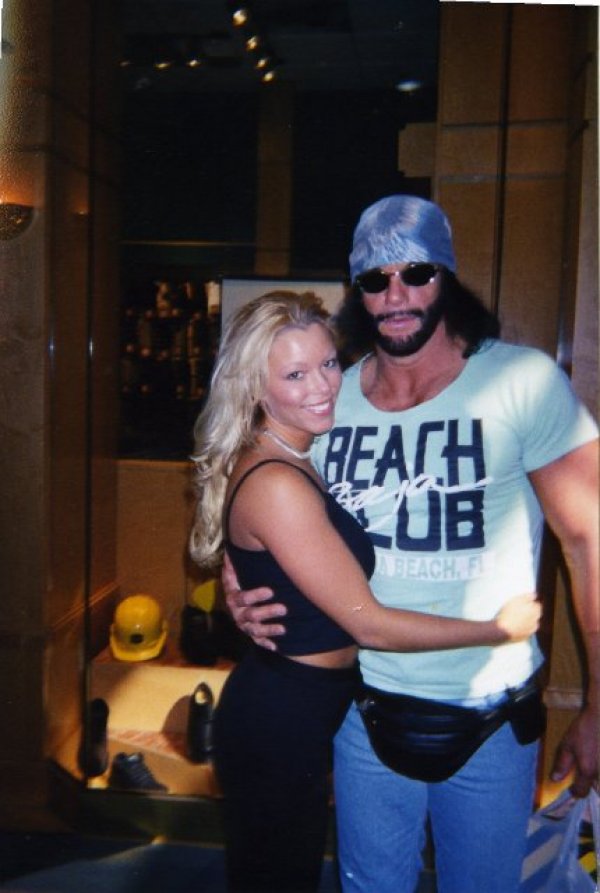
Fanny Packs
Fanny packs were the height of practicality and style (or so we thought) in the 90s. They were the go-to accessory for kids, parents, and tourists alike, providing a hands-free way to carry your essentials. Whether you were at a theme park or just heading to school, the fanny pack was there for you. But as the decade ended, so did their cool factor. Fanny packs became a symbol of outdated fashion and quickly disappeared from mainstream style. While they’ve seen a small resurgence in recent years, their brief 90s heyday was truly one of a kind.
Laser Backgrounds in School Photos
If you took a school photo in the 90s, there’s a good chance you opted for the laser background — a neon, futuristic backdrop that made you look like you were posing for a sci-fi movie poster. It was the ultimate symbol of 90s cool, and everyone wanted it. But like most things that scream “trendy,” the laser background quickly became outdated. By the early 2000s, it was a source of embarrassment rather than pride. Today, it’s a nostalgic joke, a hilarious reminder of how seriously we took our school photo choices back then.
Crystal Pepsi
In 1992, Pepsi decided to shake things up with Crystal Pepsi, a clear soda that promised a “pure” taste. The idea of a cola without the iconic brown color was intriguing, and the drink quickly became a curiosity among 90s kids. But despite a big marketing push, the novelty wore off fast. The taste wasn’t quite what people expected, and the clear cola didn’t have the staying power of its classic counterpart. By 1994, Crystal Pepsi was pulled from shelves, leaving behind only the memory of a strange experiment in soda history.
Tickle Me Elmo
In 1996, Tickle Me Elmo became the must-have holiday gift, causing a frenzy among parents desperate to find one. The plush toy, which giggled and shook when squeezed, was an instant sensation. Stores sold out within minutes, and news reports showed chaotic scenes of adults fighting over the last Elmo on the shelves. The hype was intense but short-lived; once the holiday season ended, so did the craze. Tickle Me Elmo is remembered as a prime example of 90s toy mania, a fad that burned bright and then quickly fizzled out.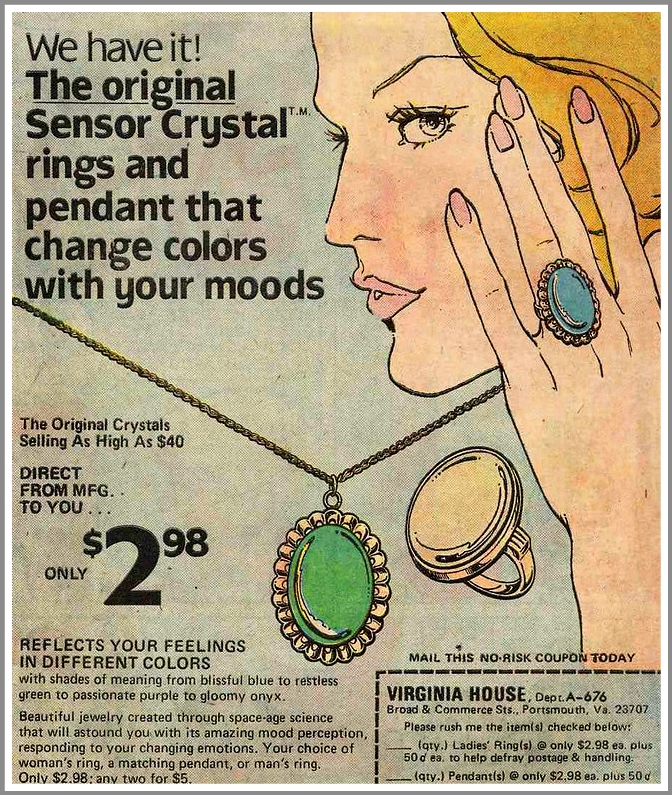
Mood Rings
Mood rings were the ultimate accessory for every 90s kid who wanted to believe in a little magic. These rings, filled with thermochromic liquid crystals, promised to reveal your emotional state based on the color they turned. Whether you were “happy” (blue), “nervous” (green), or “in love” (purple), your mood was supposedly on display for everyone to see. The rings were fun, but once the novelty wore off and kids realized the colors were just reacting to body heat, the fad faded away. Mood rings are still sold as a kitschy throwback, but their brief moment of serious cultural relevance is long gone.