

These Movies Wouldn't Make It To Theaters Today
The 1990s were a wild time for fillmaking. Packed with groundbreaking films, iconic characters, and unforgettable moments, we still miss going to the movies in this incredible decade. But as much as we love the ’90s, not everything has aged well. Some of the movies that were considered classics at the time are now seen through a very different lens. From outdated stereotypes and problematic humor to controversial themes, these films are products of their era — and they definitely wouldn’t get made today without some major changes.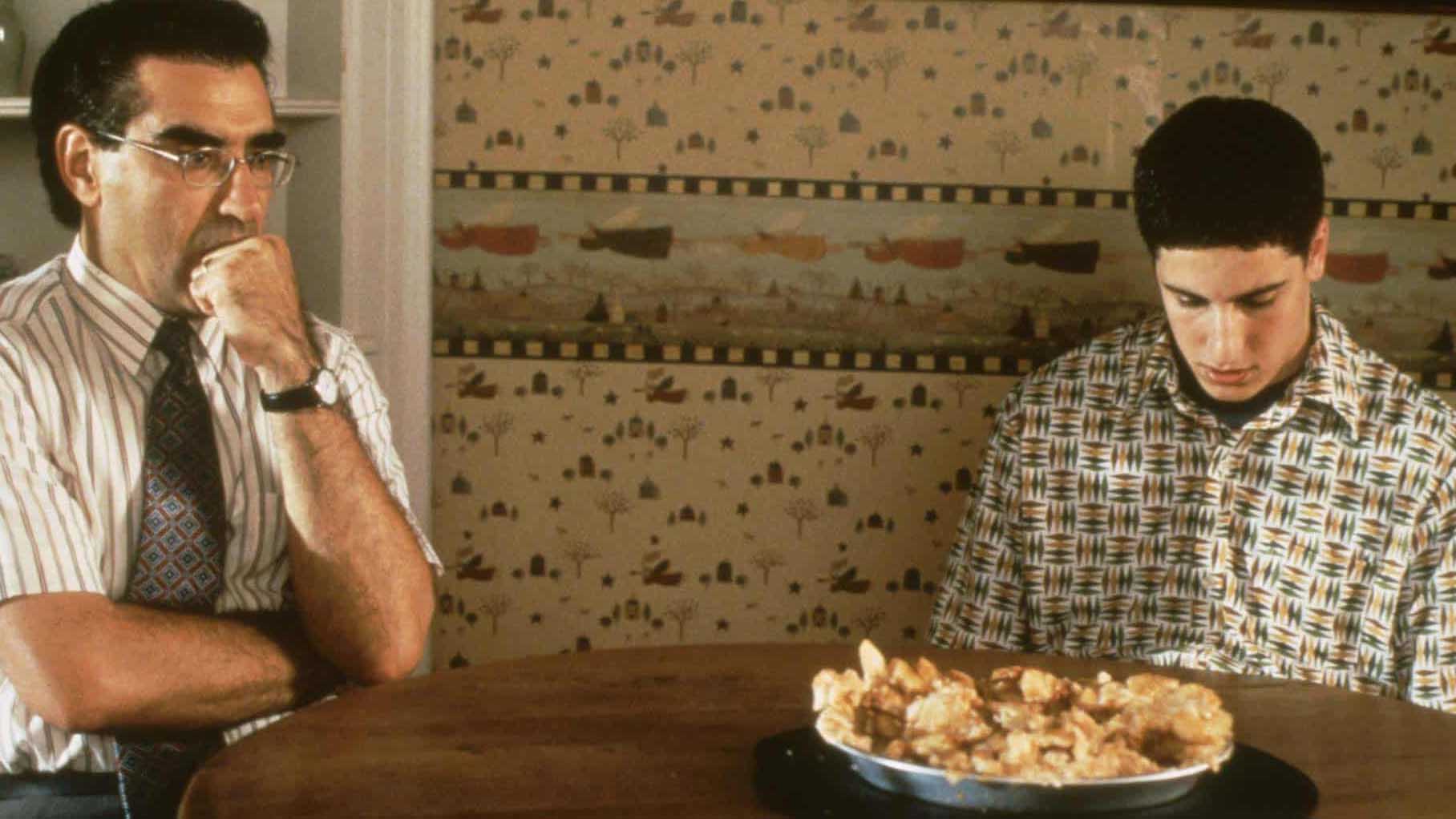
American Pie
American Pie was a massive hit in the late 90s, becoming a defining teen comedy of the decade. But looking back, it’s clear that much of the humor is rooted in outdated and problematic ideas about consent. The infamous scene where a female exchange student is secretly filmed and broadcast online without her knowledge is played for laughs, but today it would be seen as a serious violation of privacy and consent.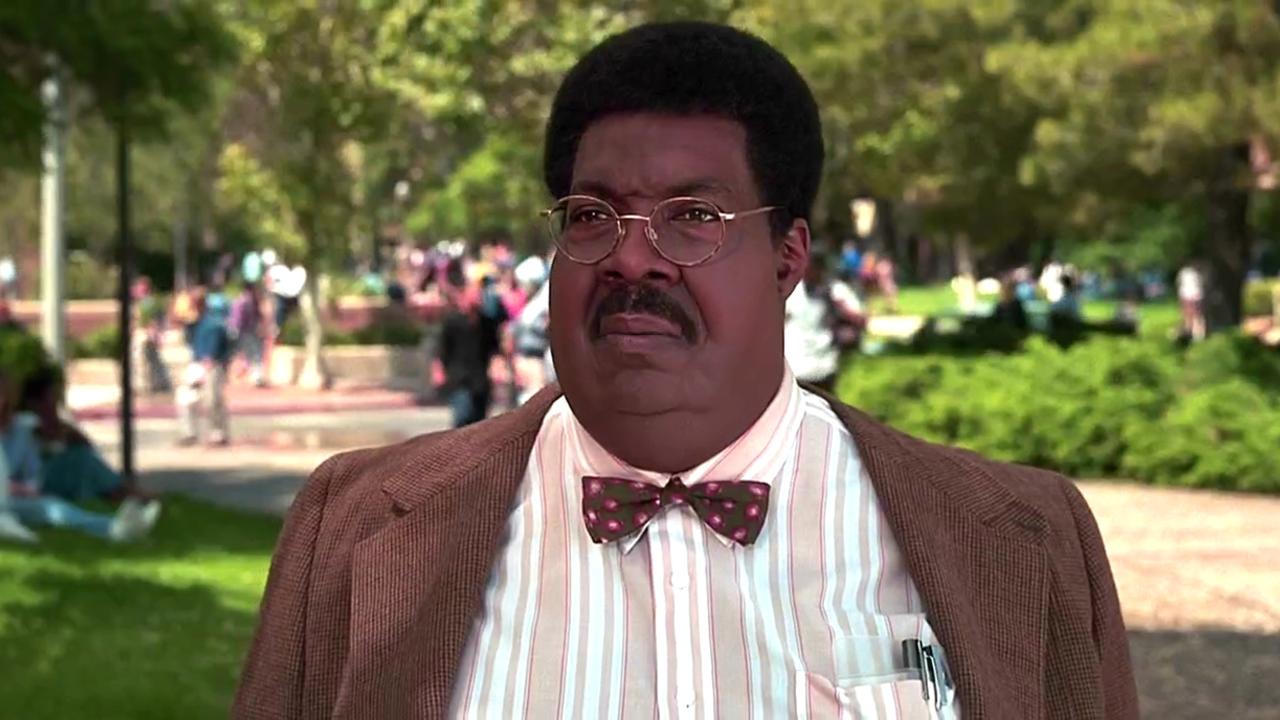
The Nutty Professor
Eddie Murphy’s The Nutty Professor was praised for its humor and Murphy’s impressive range of characters, but the film’s portrayal of obesity really hasn’t aged well. Like, at all. The movie leans heavily on fat-shaming jokes, particularly with the character of Sherman Klump, who is portrayed as the comedic punchline because of his weight. While Murphy’s performance is undeniably entertaining (he probably should have received a best acting nod – not a joke), the film’s reliance on making jokes at the expense of overweight characters would be seen as insensitive and problematic today. The humor that once drew audiences now feels mean-spirited, which shows how our approach to body image and respect has evolved.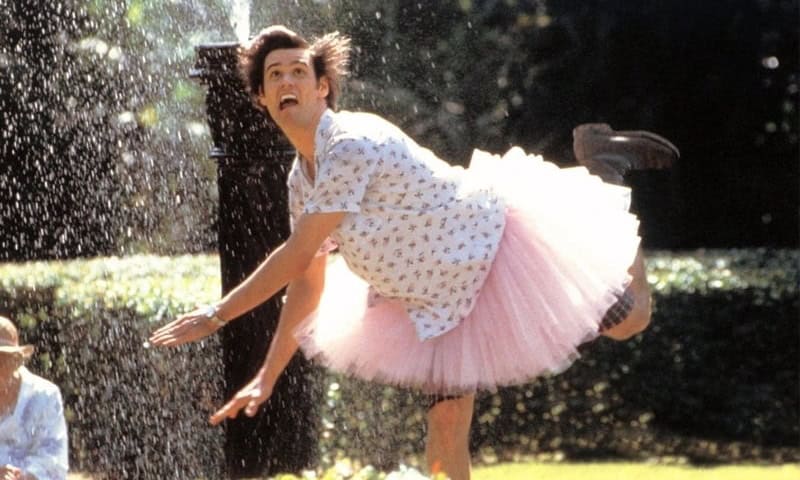
Ace Ventura Pet Detective
Ace Ventura: Pet Detective launched Jim Carrey’s career and it’s still remembered for its over-the-top comedy. However, the movie’s handling of gender identity is extremely problematic by today’s standards. The film ends with a plot twist involving the character Lois Einhorn — a transgender woman who is revealed to be the villain — that’s treated as a shocking, comedic gag. If you don’t remember, the scene shows Ace and the rest of his crew reacting with exaggerated disgust after realizing Einhorn is transgender, which never sat well with us at the time but it’s even more of a drag to watch today. Oh! And what about that scene where Ace Ventura pretends to suffer from a disability by running around in a tutu while speaking in a seriously uncool voice. Ugh, this whole movie just stinks.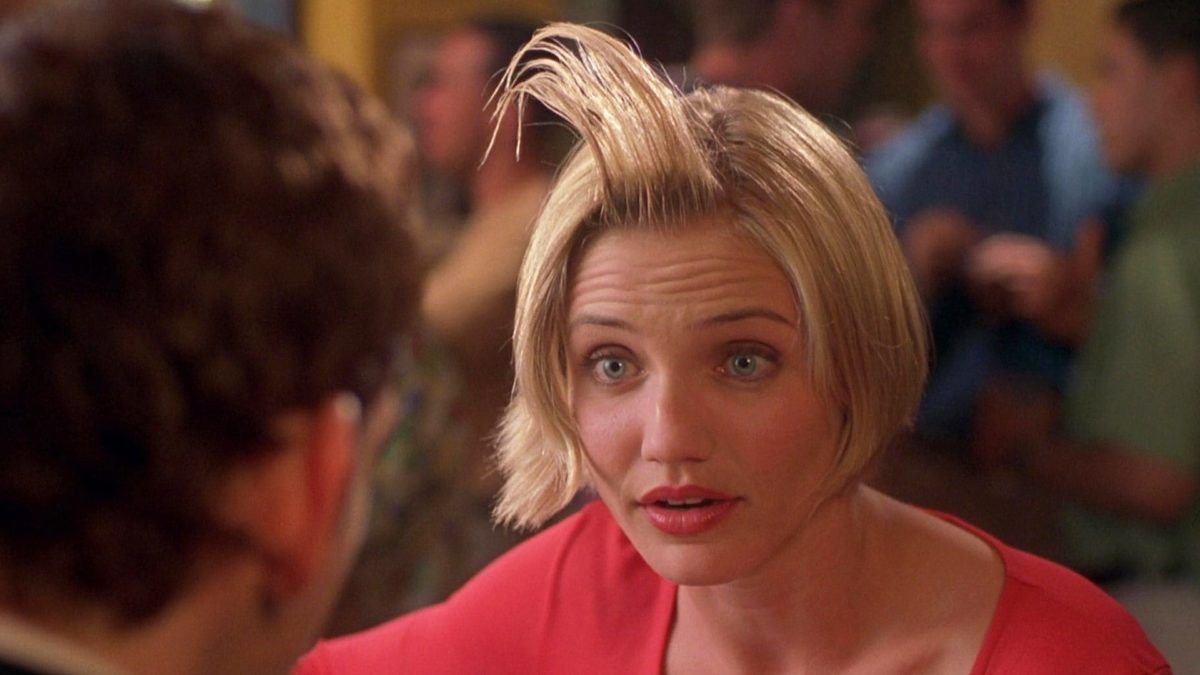
There’s Something About Mary
There’s Something About Mary was one of the biggest comedies of the 90s, but it’s filled with jokes that wouldn’t land the same way today. The movie makes fun of mental health, particularly with the character Warren, who has a disability and is often the target of slapstick humor. The film also includes a scene involving a dog being injured, played off for laughs, which would definitely draw criticism today for being insensitive.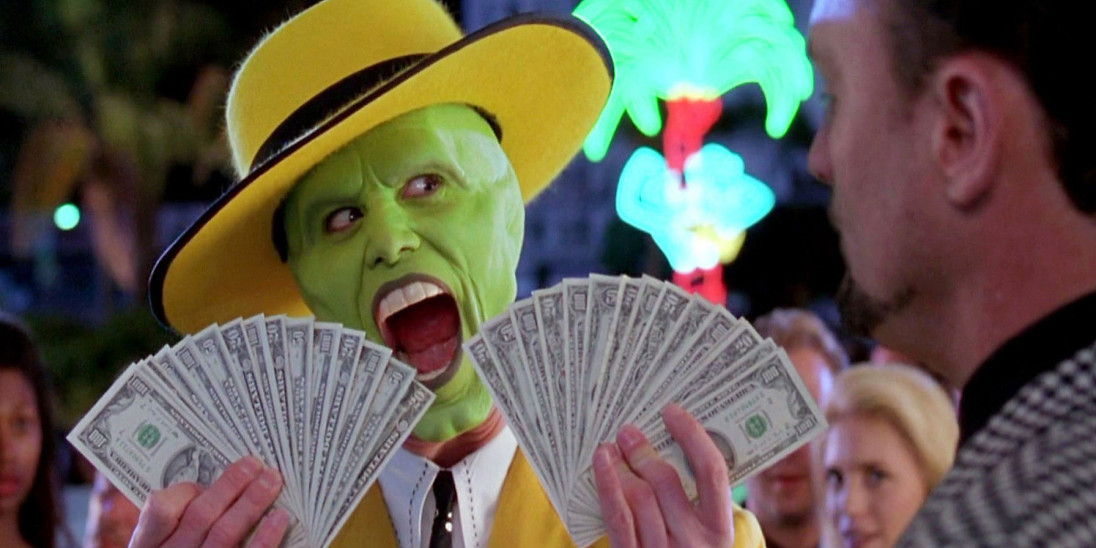
The Mask
Jim Carrey is the king of movies from the ’90s that don’t hold up. The Mask was a smash hit about a down on his luck schlub who turns into a magical, gonzo maniac after finding an ancient mask. The film’s portrayal of women and its handling of consent feel, at the very least, dated by today’s standards. The character of Tina, played by Cameron Diaz, is heavily sexualized and exists primarily as an object of desire for the male characters. The Mask’s aggressive pursuit of Tina, including scenes where he forcibly kisses her, plays into problematic depictions of consent and male entitlement. What was once seen as lighthearted fun now reads as uncomfortable, especially in a post-#MeToo era that calls for more respectful portrayals of women.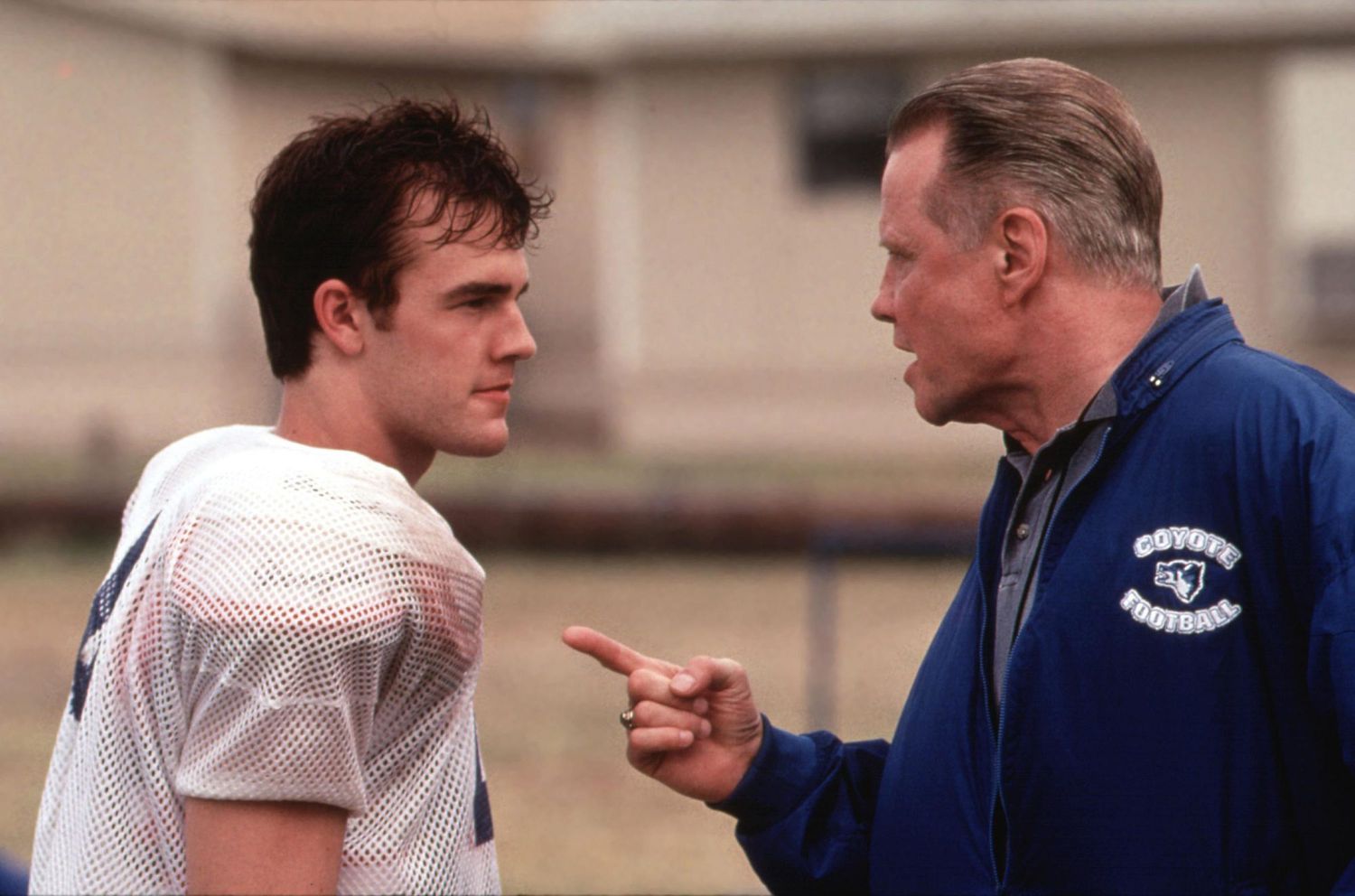
Varsity Blues
Varsity Blues was a defining sports drama of the 90s, capturing the highs and lows of high school football culture in Texas. But the film’s casual depiction of hazing, toxic masculinity, and its portrayal of teenage partying would definitely face significant backlash today. The infamous “whipped cream bikini” scene, where a teenage character seduces the protagonist, feels particularly off in light of modern conversations about sexualization and consent.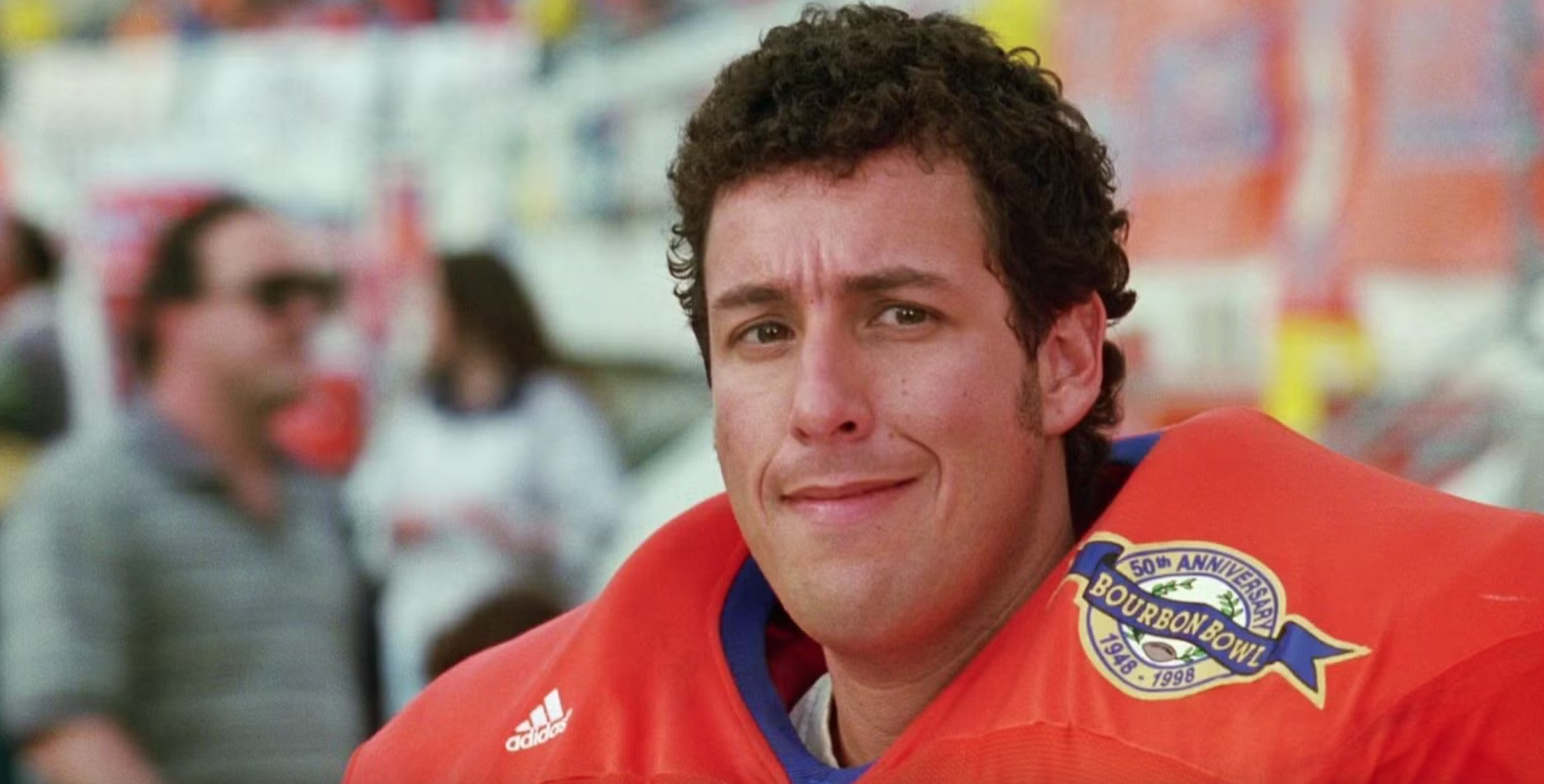
The Waterboy
Adam Sandler’s The Waterboy was a massive comedy hit, but its portrayal of disability and mental health really hasn’t aged well. Sandler’s character, Bobby Boucher, is depicted as an overly sheltered and socially awkward young man whose odd behavior becomes the film’s main source of humor. He clearly has an intellectual disability, and that’s where most of the jokes come from. The Sand Man’s comedies have always leaned into broad humor, The Waterboy feels uncomfortable today for its insensitive portrayal of a character who would now be understood as neurodivergent.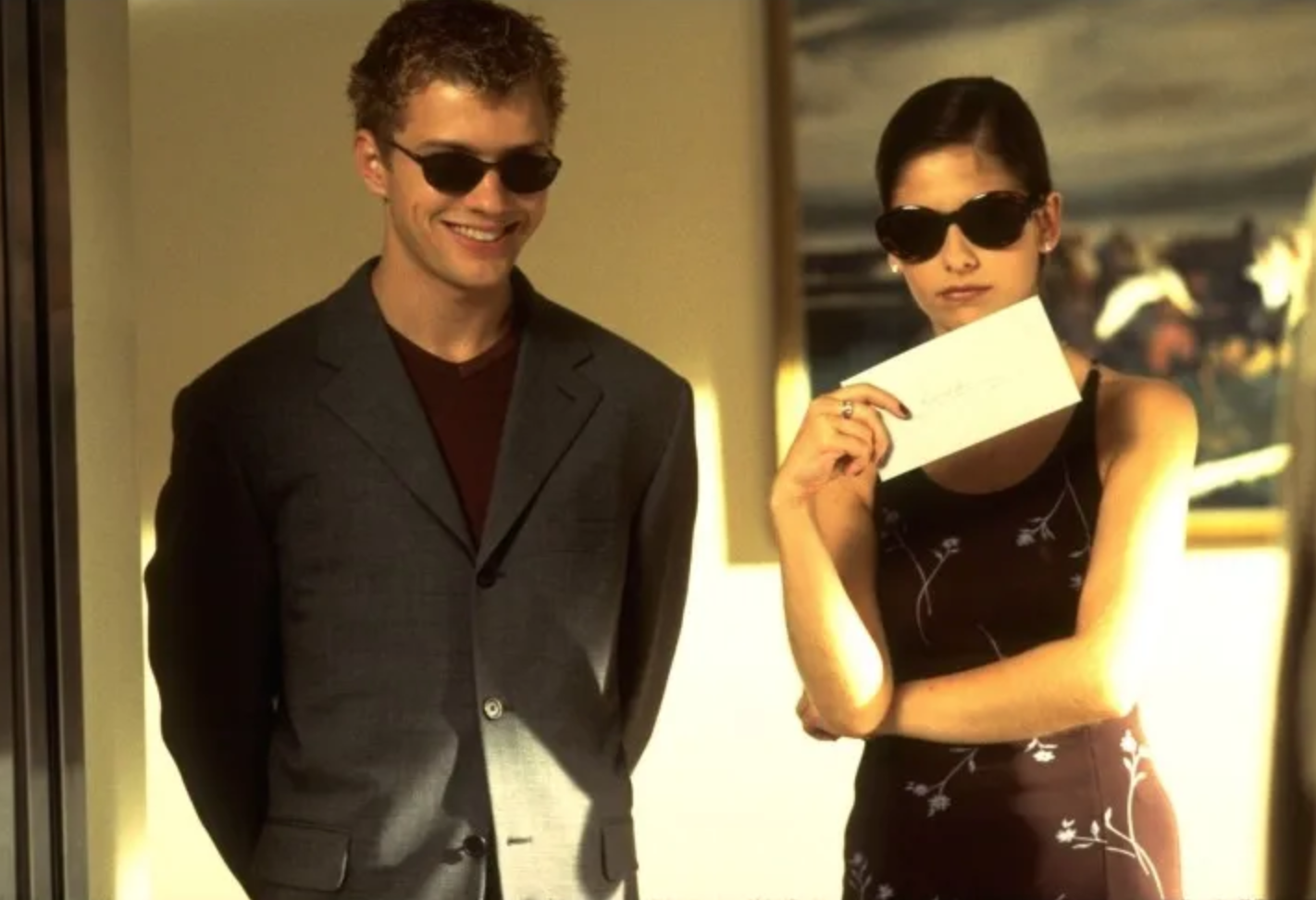
Cruel Intentions
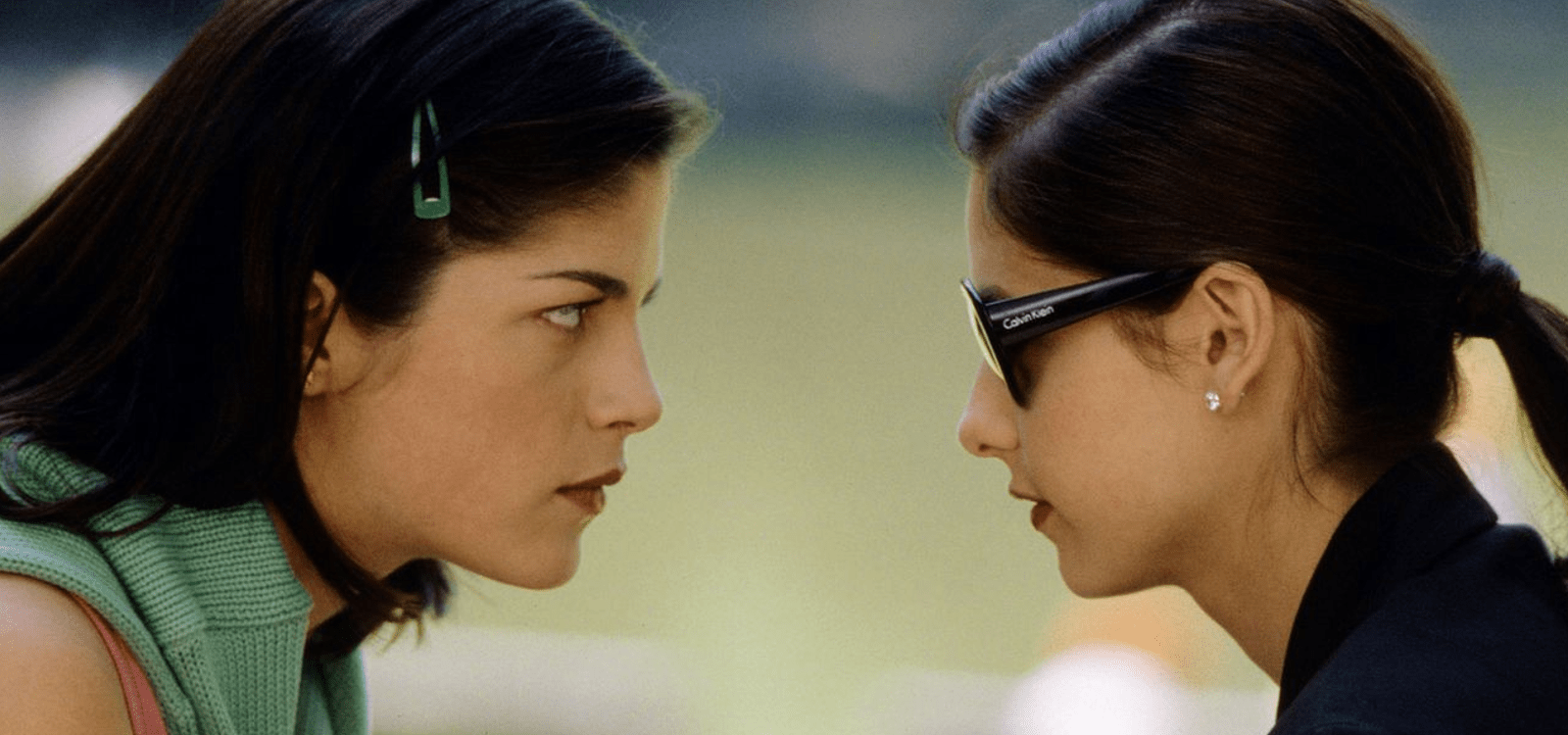
Cruel Intentions was a sensation in the late 90s, known for its provocative storyline and edgy teen drama. However, the film’s treatment of sexual manipulation and consent would be heavily criticized today. The main characters engage in schemes that involve manipulating and coercing others into sexual situations, which is played off as part of their cunning and charm. The film’s romanticization of these actions feels problematic in light of today’s more serious conversations around consent and the impact of sexual exploitation.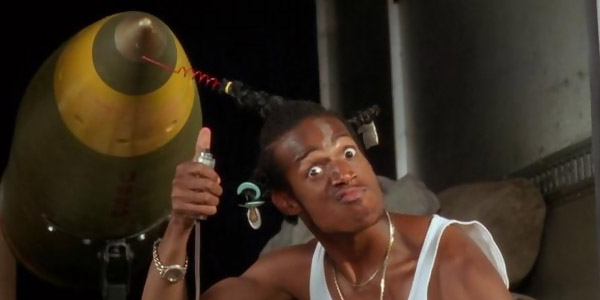
Don’t Be a Menace to South Central While Drinking Your Juice in the Hood
This parody film, created by the Wayans brothers, was meant as a comedic send-up of 90s urban dramas like Boyz n the Hood and Menace II Society. Celebrated at the time for its satire, the film’s humor leans heavily on racial stereotypes and exaggerated caricatures that feel uncomfortable today. The movie’s approach to sensitive issues like gang violence and poverty comes off as flippant, and the jokes that once felt subversive now seem dated and tone-deaf.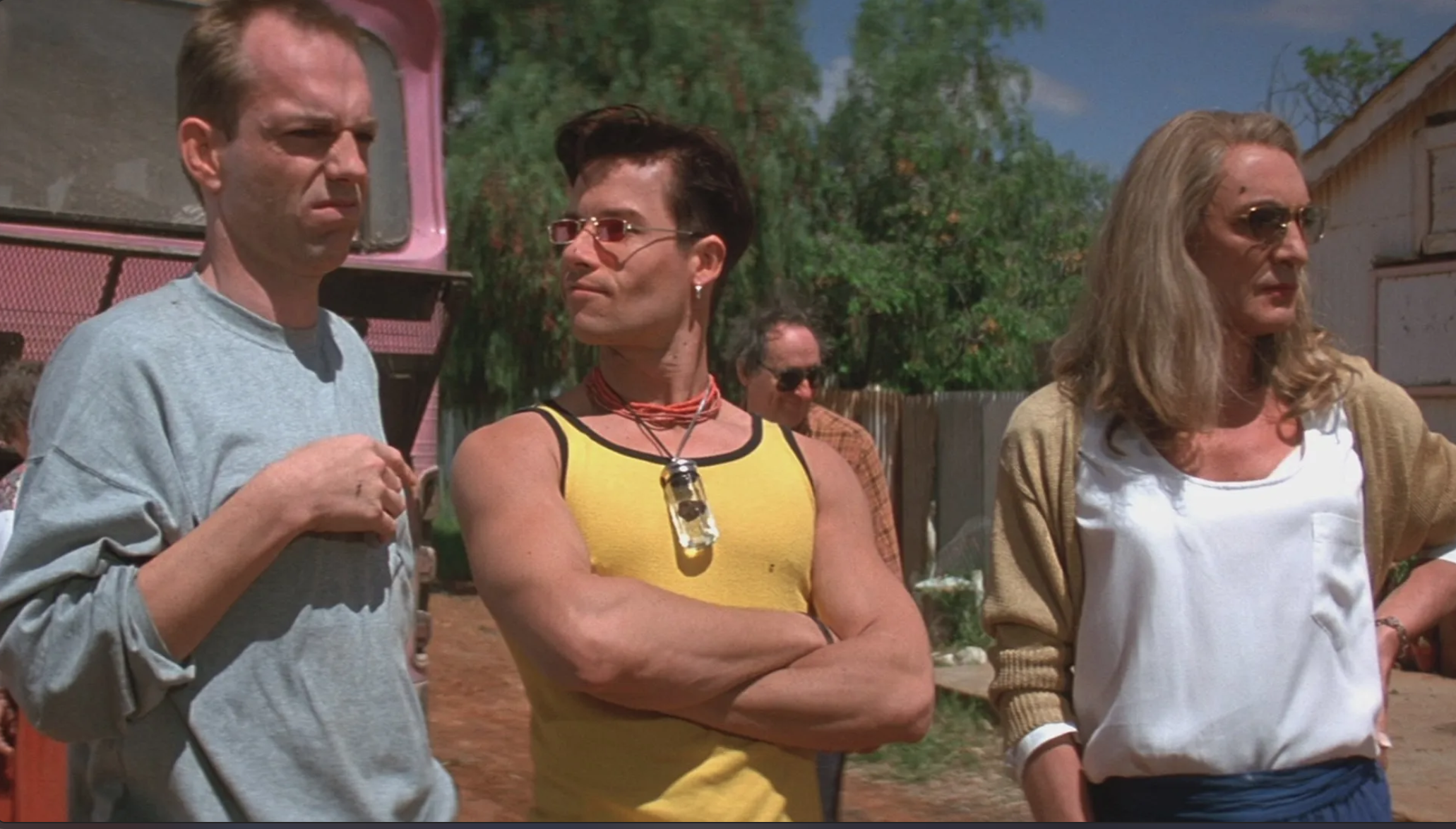
The Adventures of Priscilla, Queen of the Desert
While The Adventures of Priscilla, Queen of the Desert was groundbreaking for its portrayal of drag queens and LGBTQ+ culture in the 90s, it has faced criticism in recent years for its depiction of race and gender identity. The character of Cynthia, an Asian woman married to one of the drag queens, is portrayed with offensive stereotypes, reducing her to a caricature. Additionally, the film’s handling of gender identity, while progressive for its time, now feels outdated in light of more nuanced representations of the trans and non-binary communities. The film remains a landmark in LGBTQ+ cinema, but parts of it haven’t aged well.