

The Internet
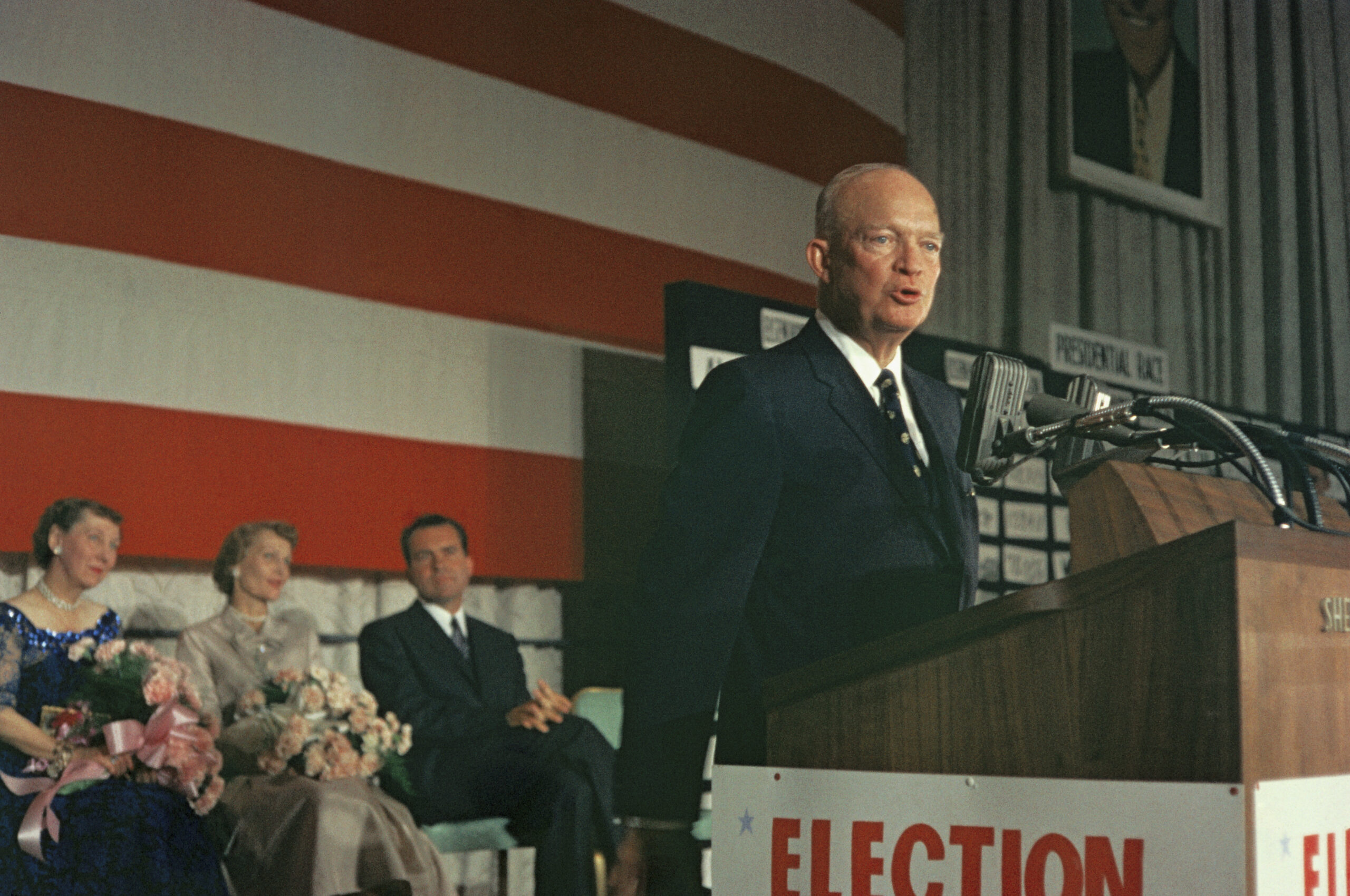
With the rise of television and the Internet, the role of U.S. president has evolved into a celebrity-like figure. Television ownership in the United States changed drastically from 172,000 sets in 1949 to over 52 million by 1953. In the 1952 presidential election, Dwight Eisenhower embraced television by collaborating with advertisers and Hollywood actors to create appealing campaign ads.
In this slideshow, we explore the how politics has changed significantly in the technological era, particularly in the 1990s during the dot-com bubble.
TV President
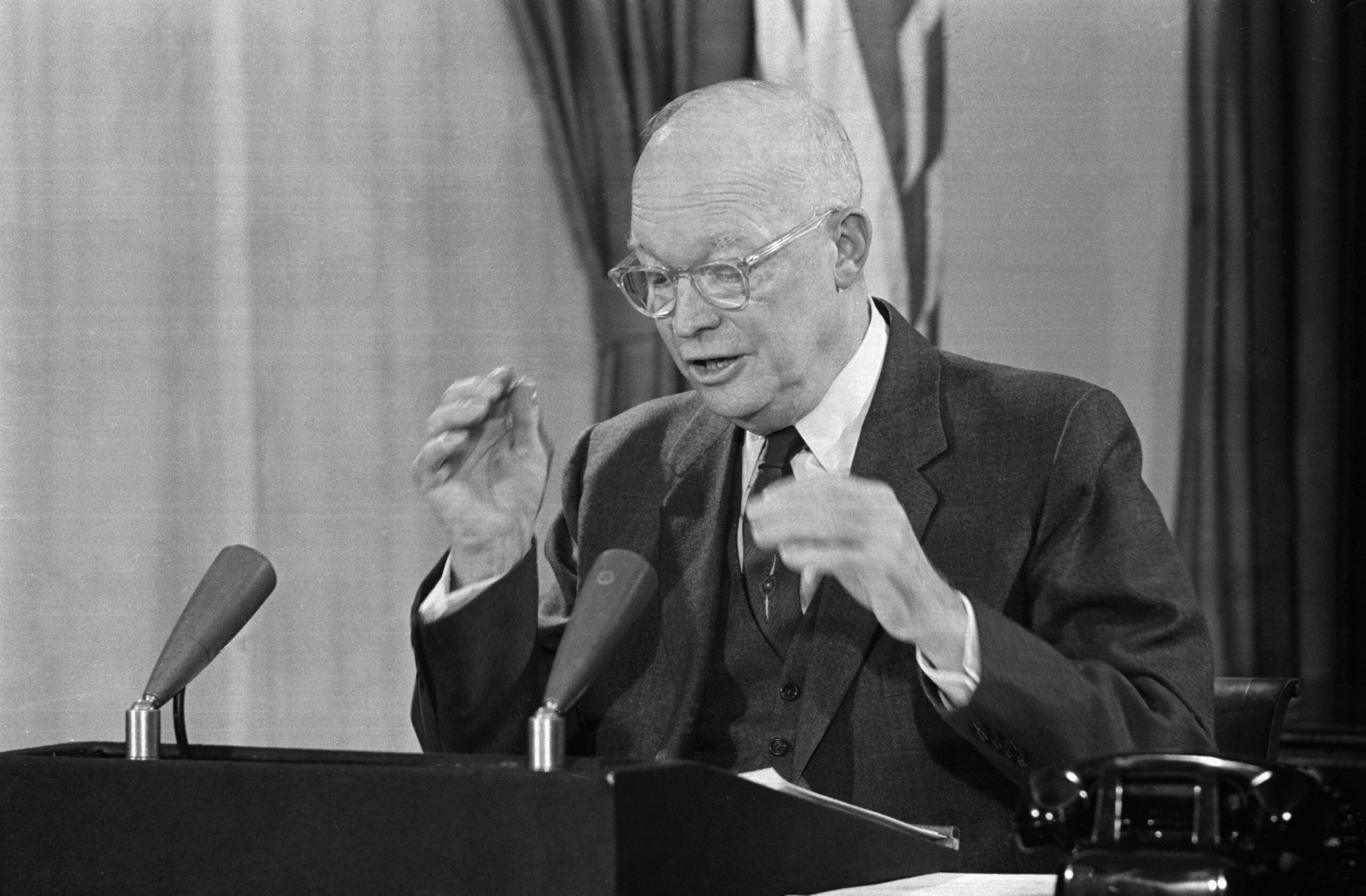
Eisenhower’s success as a “TV President” emphasized the role of media advisors and the candidate-centered campaign. This shift changed the power dynamics within political campaigns, emphasizing the importance of public perception and media strategy over traditional party loyalty and patronage.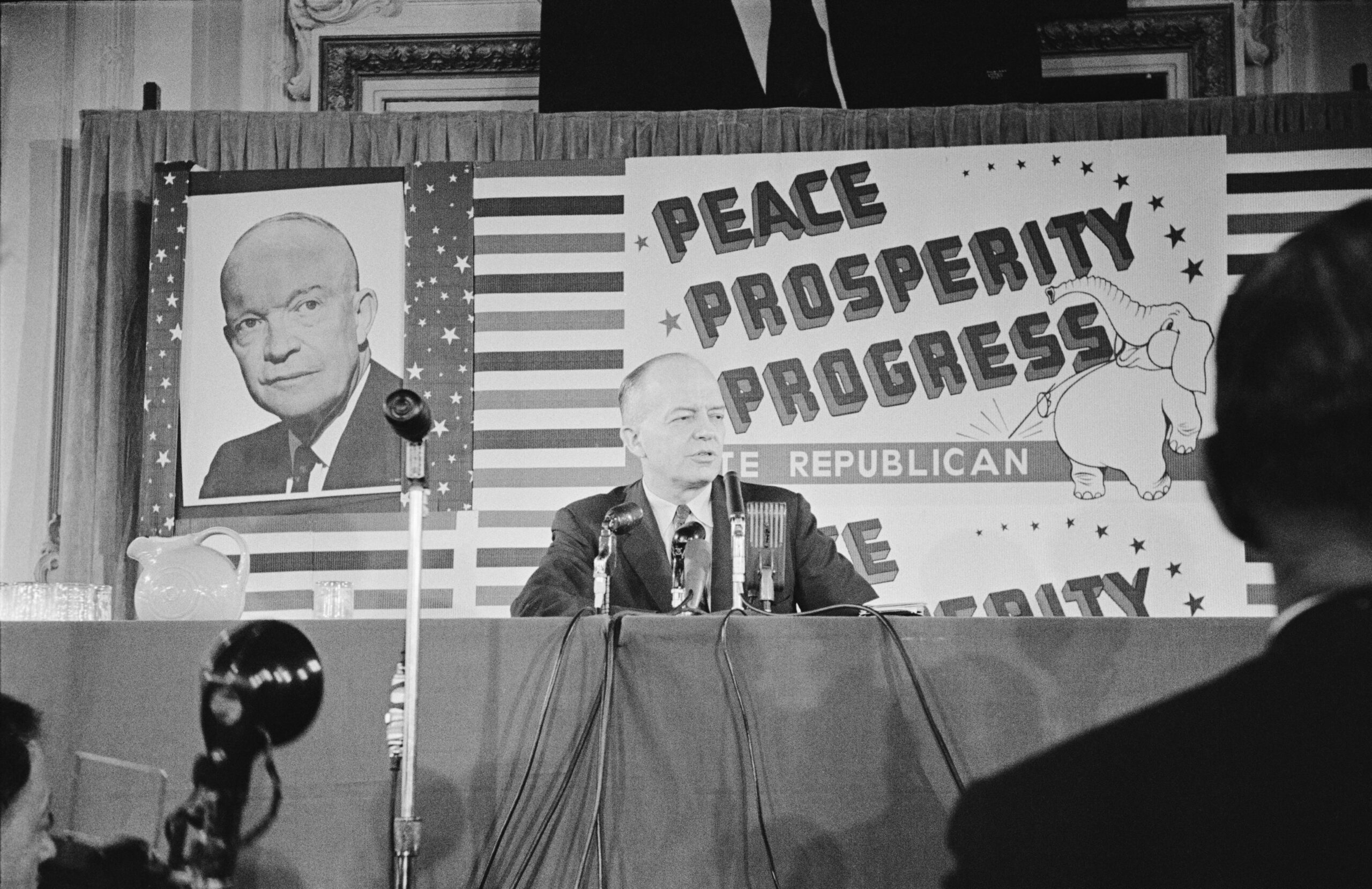
Raised concerns
The use of television quickly raised concerns about media manipulation and propaganda. This anxiety influenced how presidential hopefuls approached their campaigns and the public’s perception of candidates as commodities rather than representatives of party platforms.
The Gulf War
In the 90s, President George H.W. Bush was determined to ensure that the Gulf War did not become another Vietnam. The Gulf War was the first conflict broadcast live on television, altering public perception of war and the role of media in shaping narratives about international events.
Presidential debate
In 1992, the second presidential debate featured Bush, Clinton, and Perot in front of an audience of “average Americans.” The debate’s format reflected a trend toward engaging directly with the public and avoiding traditional media, reinforcing the notion of democracy being reclaimed. Candidates began to adopt strategies of engaging in alternative media formats, positioning themselves as rhetorical entrepreneurs rather than relying solely on the press.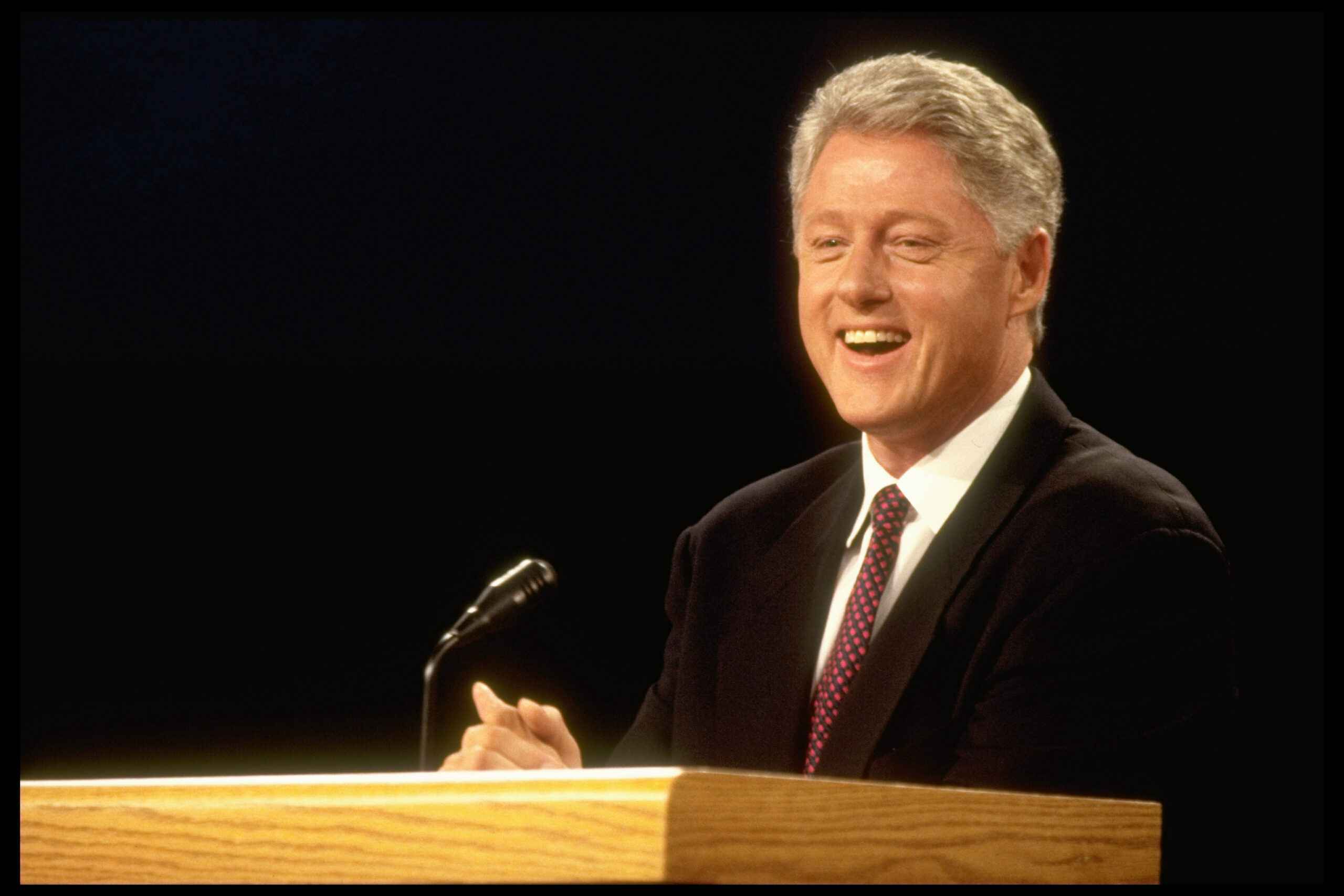
Candid discussion
President Bill Clinton’s candid discussion about his underwear during an appearance on MTV illustrated the merging of serious and trivial topics in politics amid television’s changing landscape.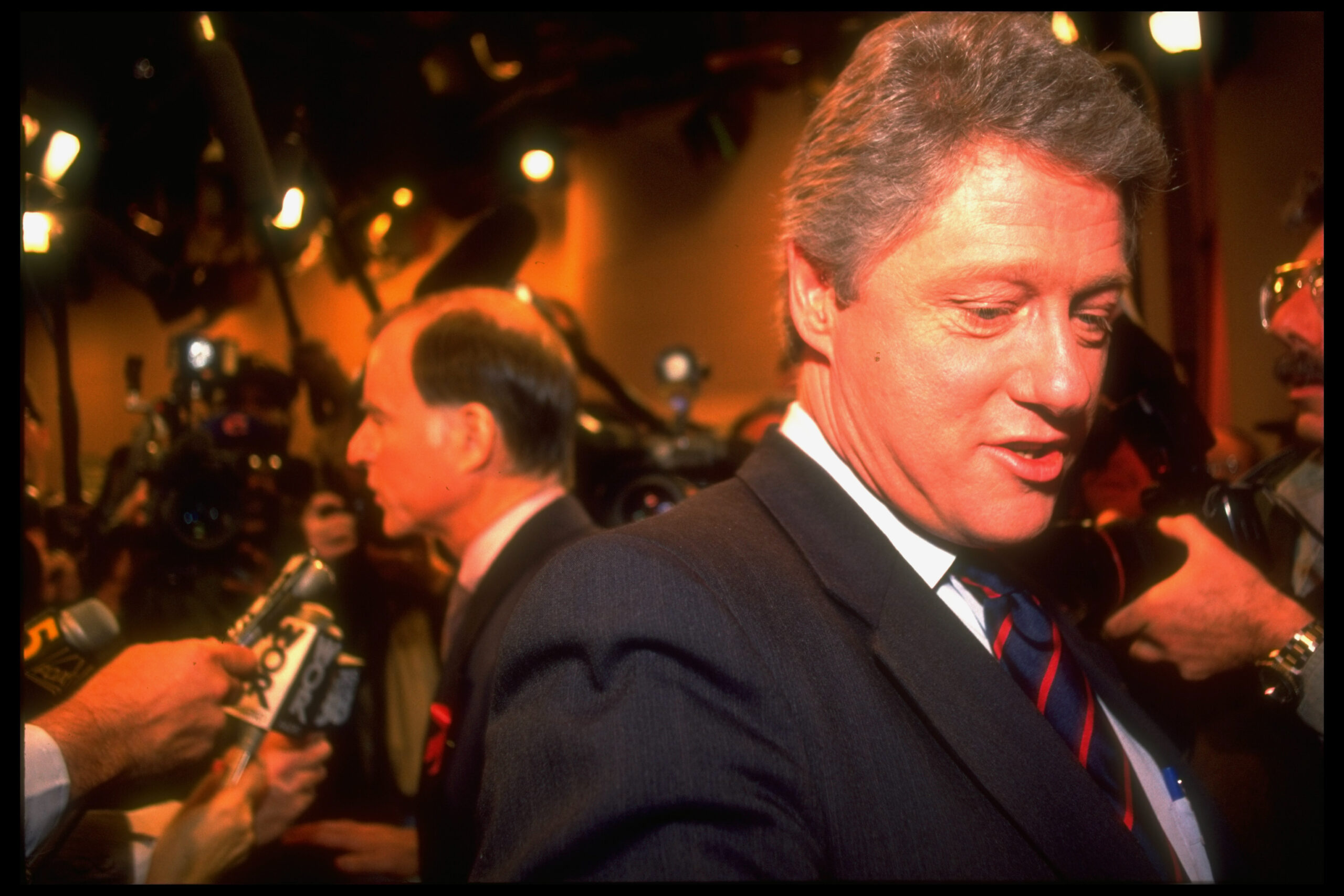
Celebrity culture
The celebrity culture of television has led to presidents being judged by the same standards as entertainers, diminishing their distinctiveness as social actors.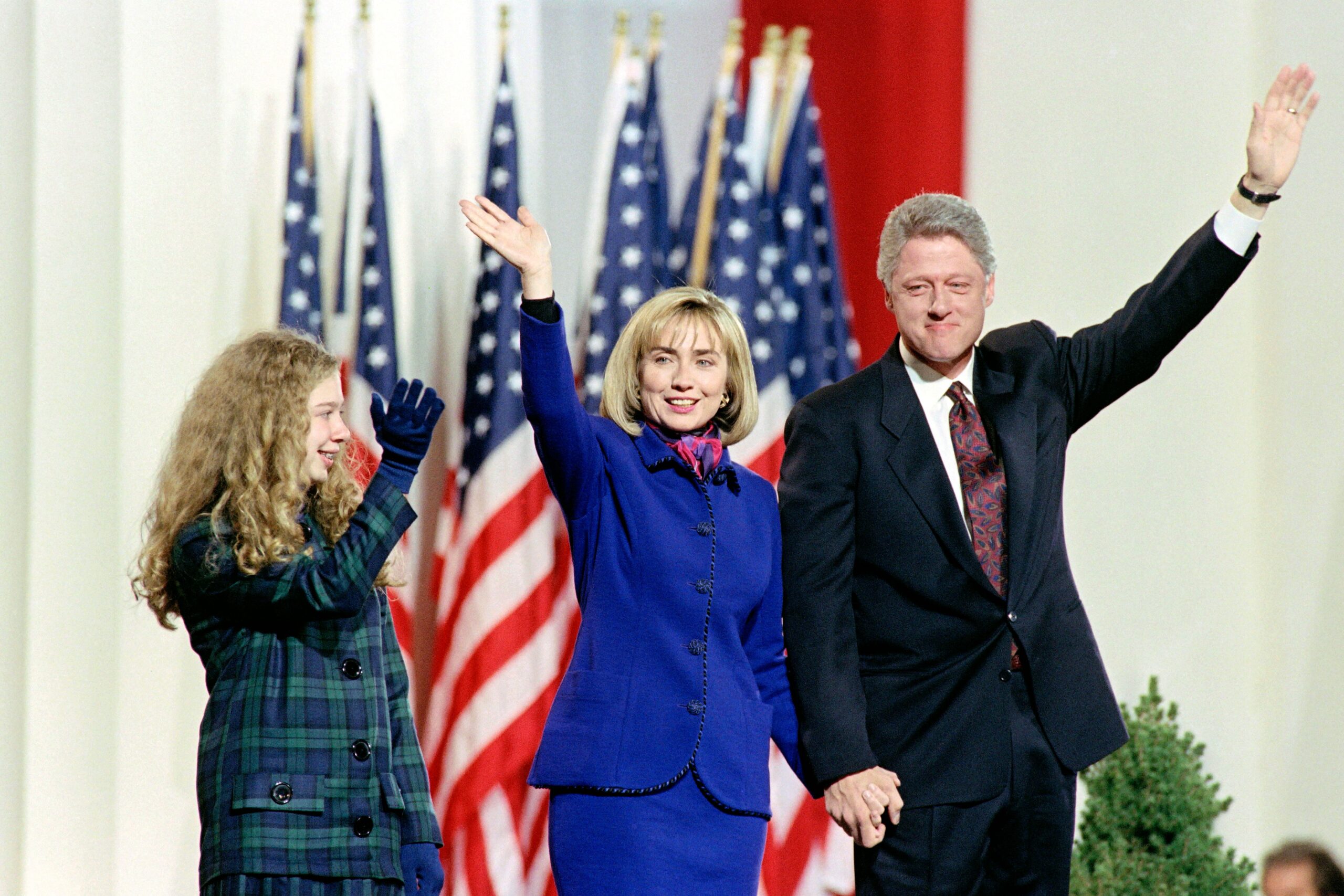
Sense of intimacy
The sense of intimacy provided by television allowed the public to feel a personal connection to presidents, reducing the perceived need for party affiliation and guidance.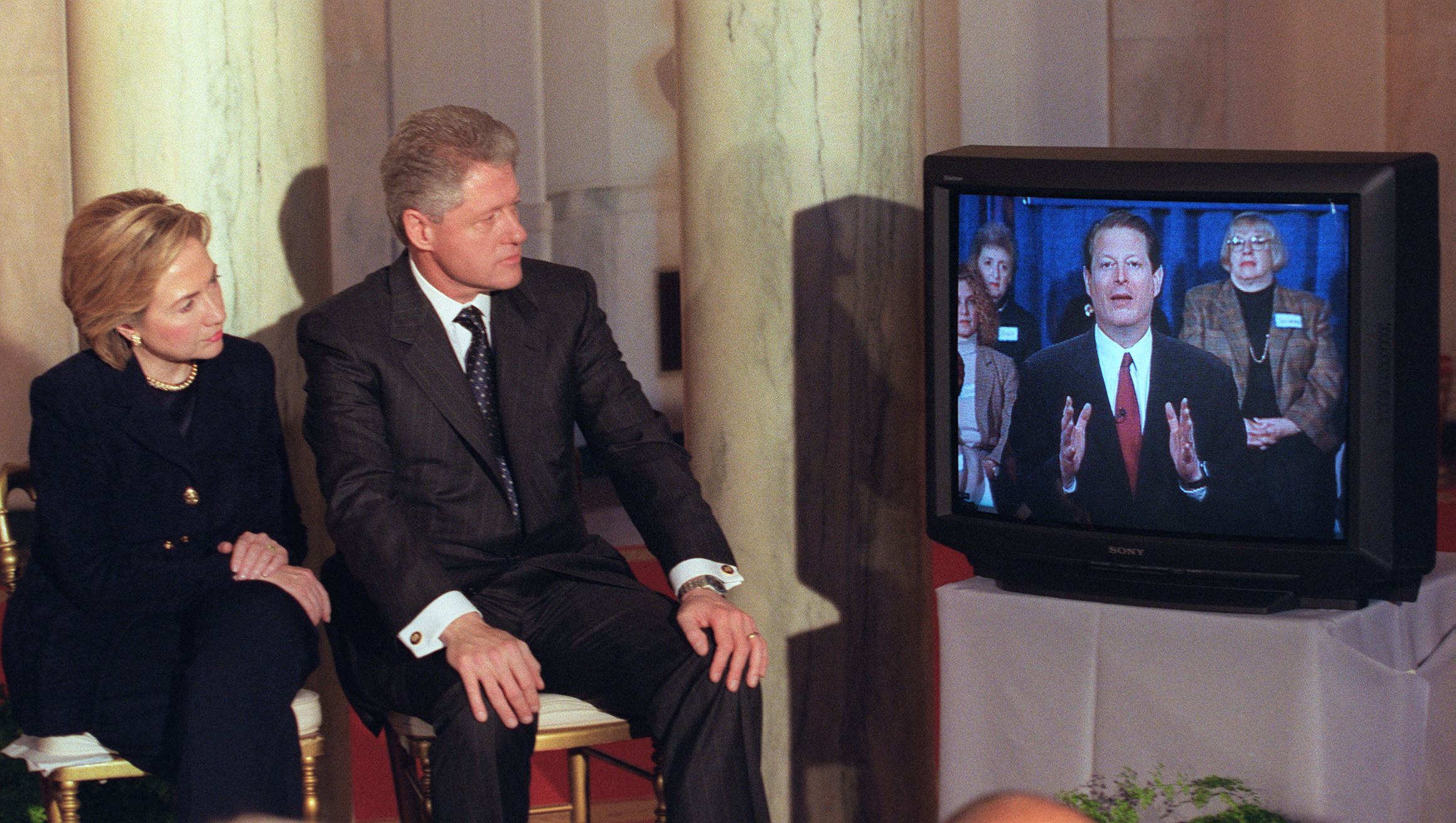
Cynical portrayal
Television’s cynical portrayal of politics has led to viewer disengagement from the policy sphere. Ross Perot’s substantial investment in airtime to elevate his candidacy demonstrated the practical limits and potential of television as a tool for shaping public opinion.
President Bill Clinton
The Clinton-Lewinsky affair was a defining moment of the ’90s, showcasing the intersection of politics, media, and technology, ultimately leading to the downfall of President Bill Clinton.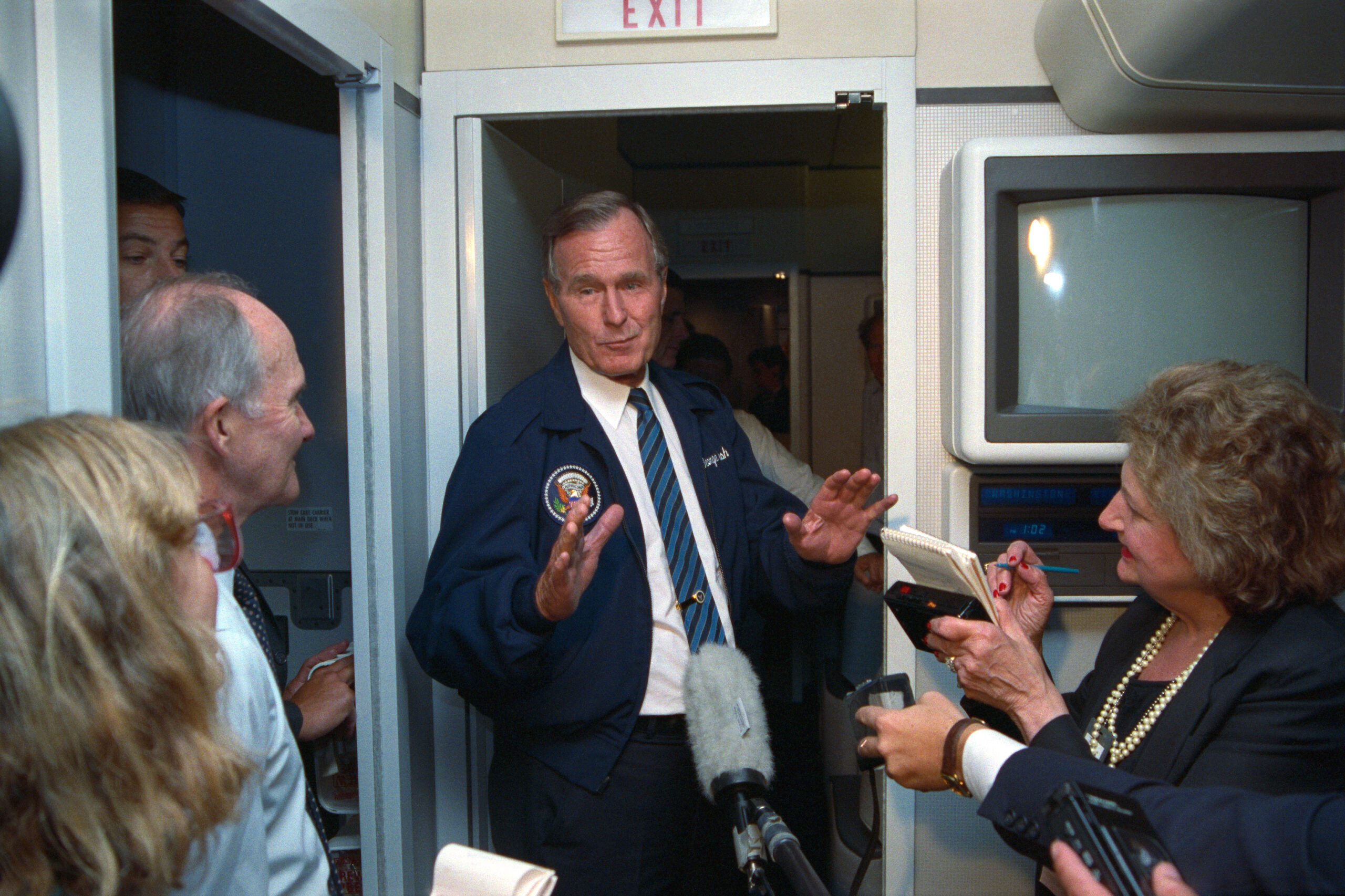
The decade
The decade is characterized by substantial technological disruption, with the rise of the Internet and digital media playing a crucial role in shaping political events and public discourse.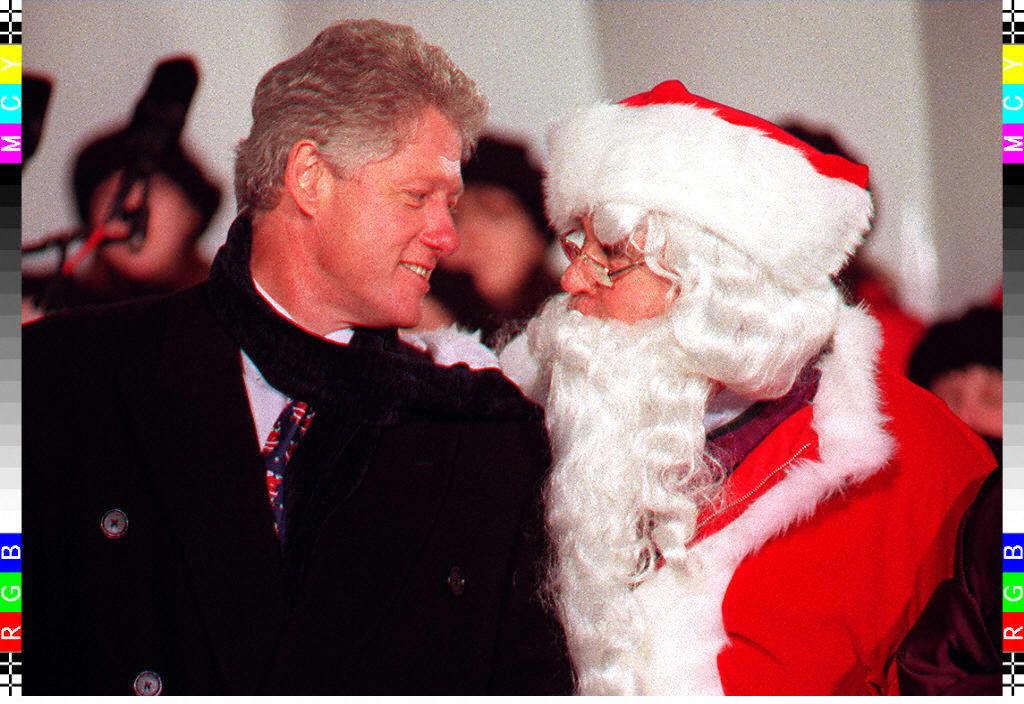
The emergence
The emergence of blogs and online platforms, exemplified by the Drudge Report, changed how news was reported and consumed.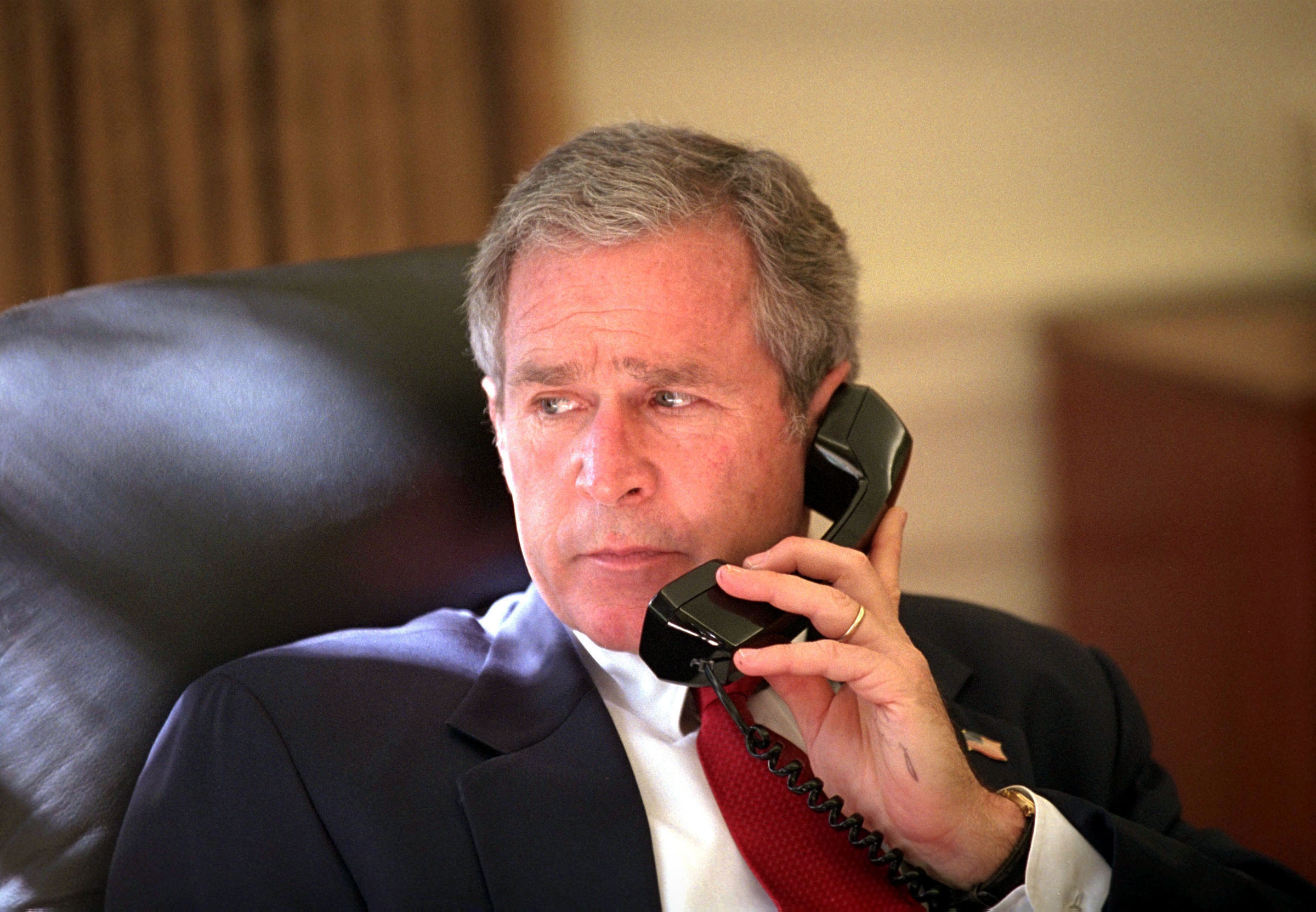
Political transformations
The ’90s were marked by significant political transformations, including the end of the Cold War and the rise of new social movements.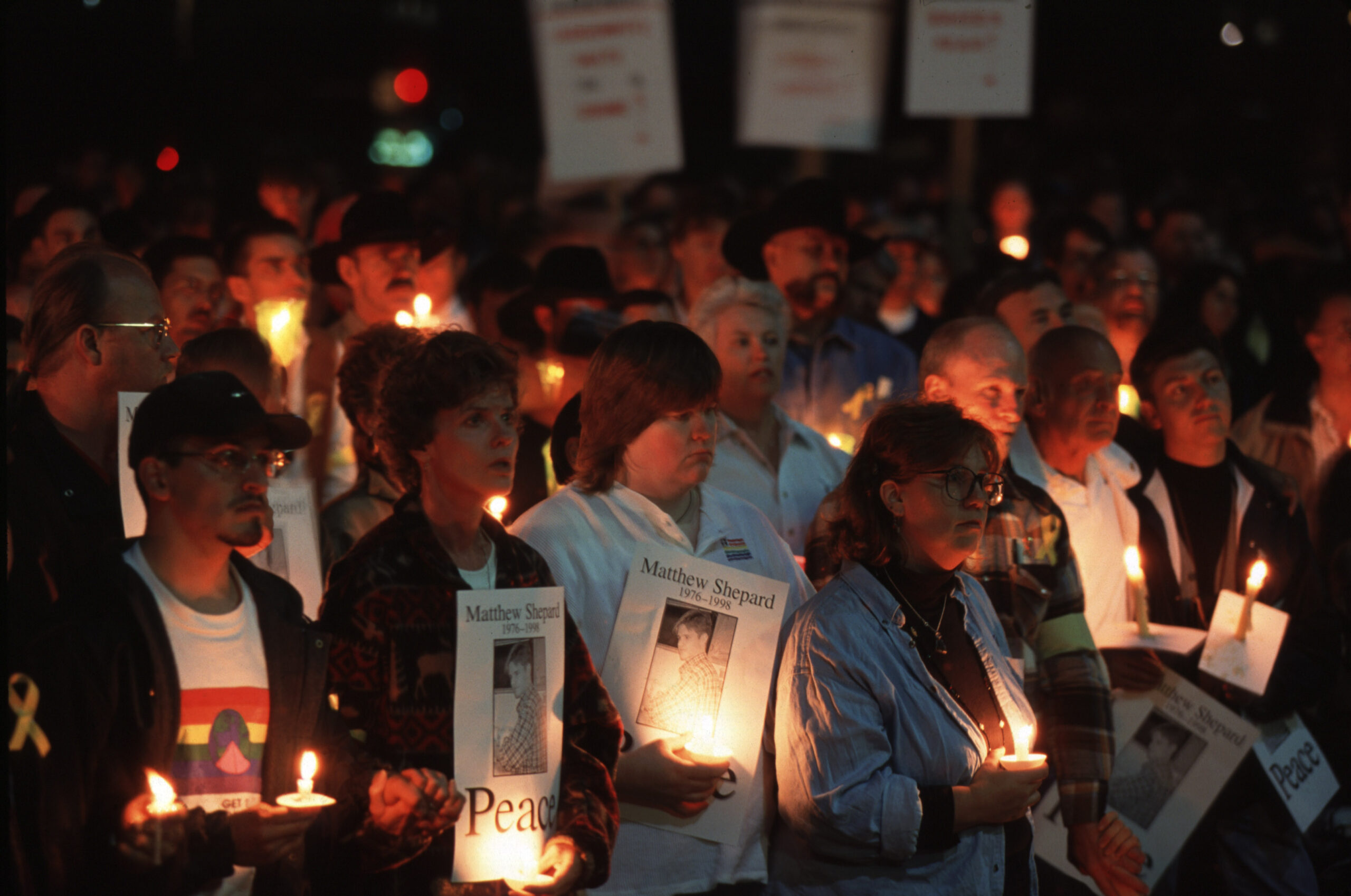
Rodney King
The beating of Rodney King, captured on video, exposed systemic racism and police brutality, igniting social unrest and demanding greater accountability from law enforcement.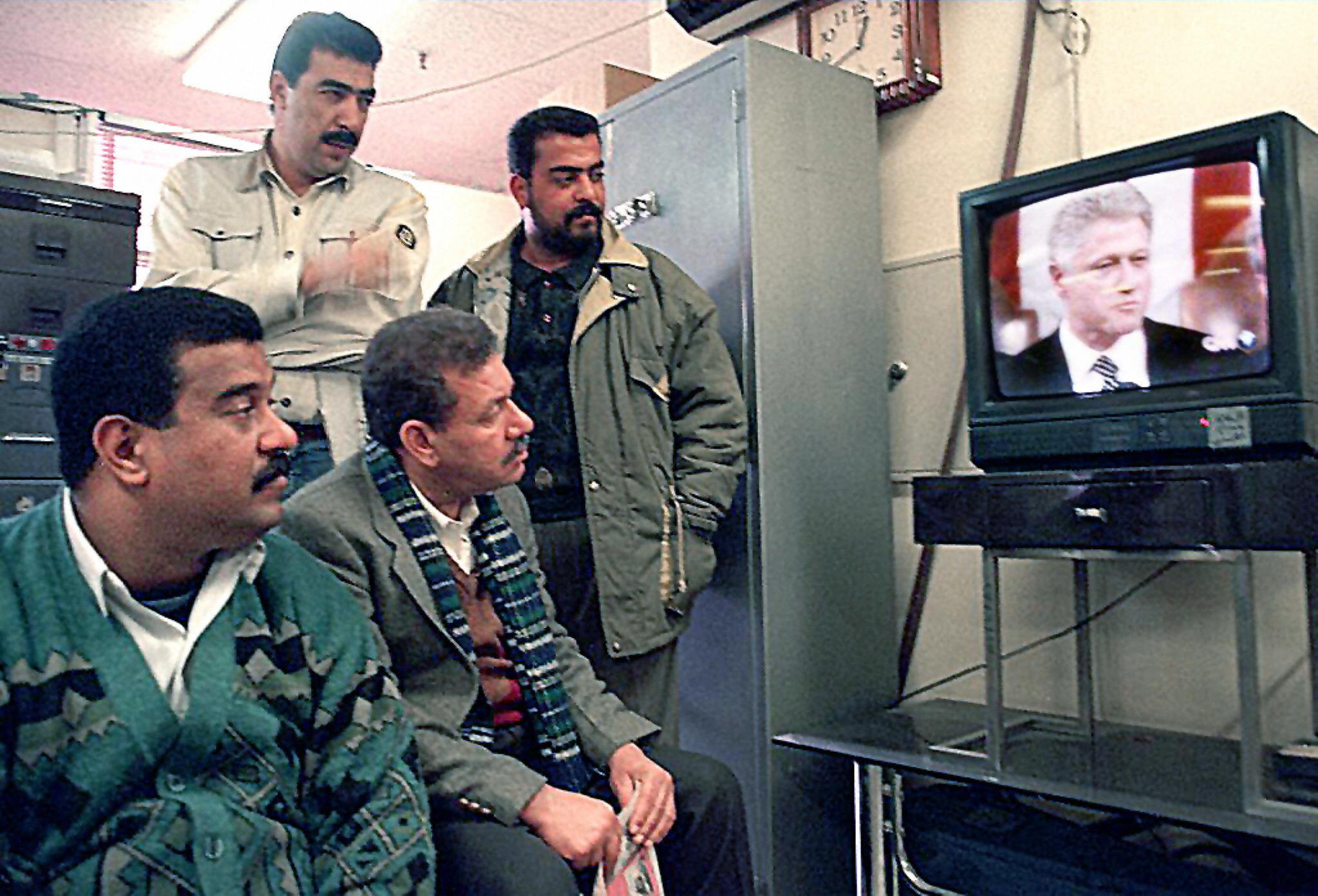
Strategy
Bill Clinton’s campaign strategy evolved to engage younger voters through popular culture, such as his appearance on “The Arsenio Hall Show,” which contrasted sharply with traditional political messaging.
Internet browsers
The launch of consumer-facing Internet browsers like Netscape democratized information access, enabling marginalized communities, such as the LGBTQ+ community, to share their stories and advocate for their rights.
Younger generations
The brutal murder of Matthew Shepard in 1998 became a pivotal moment for the gay rights movement. The ’90s represented a significant cultural shift away from Cold War ideologies toward more inclusive and diverse perspectives, particularly among younger generations.