

The Magazines That Shaped Us
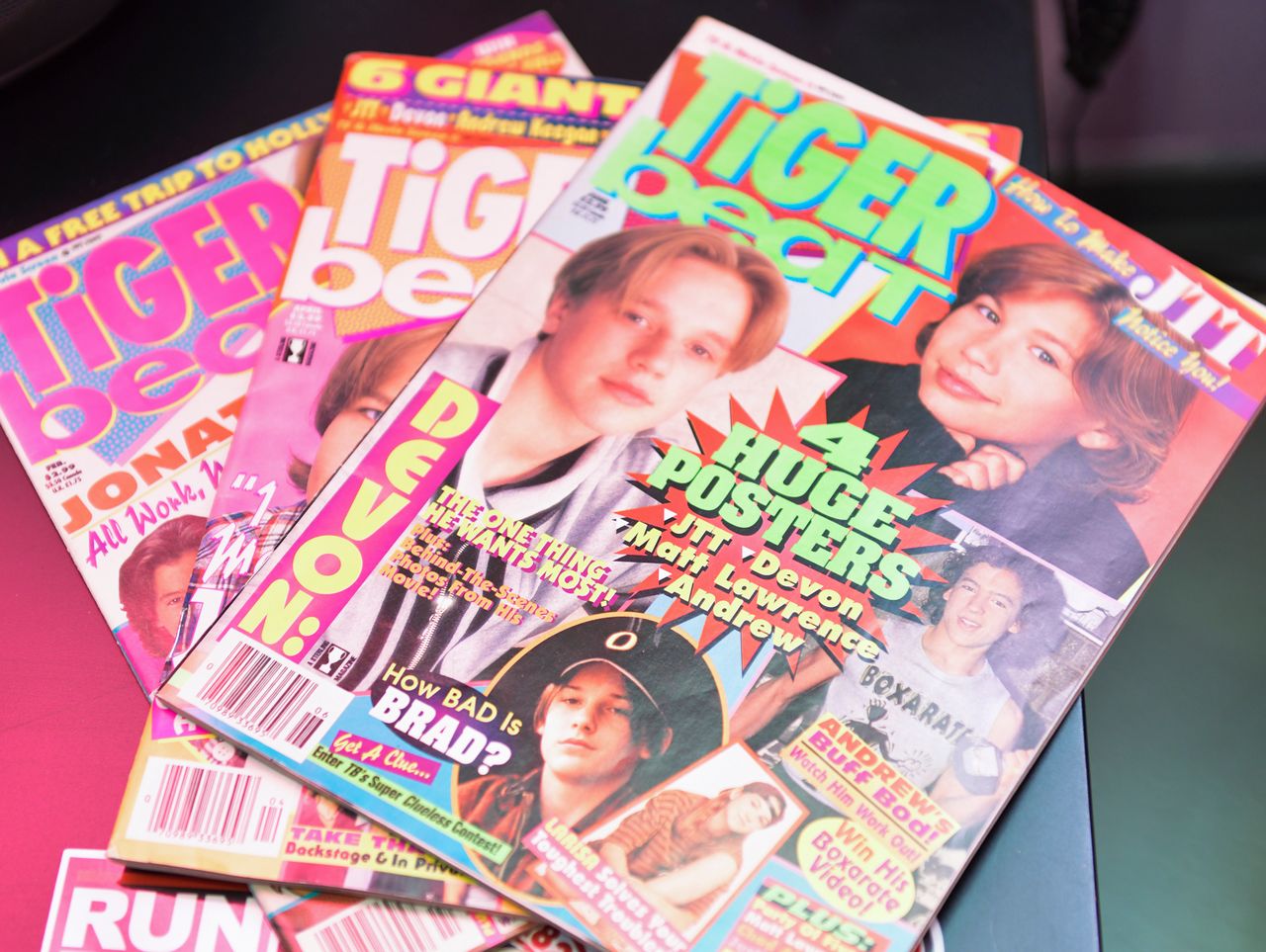
If you were a teen in the 1990s, your childhood likely included vivid memories of flipping through Tiger Beat, Seventeen, or one of the many other glossy teen magazines, cutting out posters of the hottest celebrities to plaster across your bedroom walls. These publications were more than just monthly reads—they were cultural touchstones that shaped how we dressed, talked, and dreamed. With pages filled with celebrity interviews, fashion tips, and questionable advice columns, they provided a window into the trends and fantasies that defined a generation and left a mark on our youth.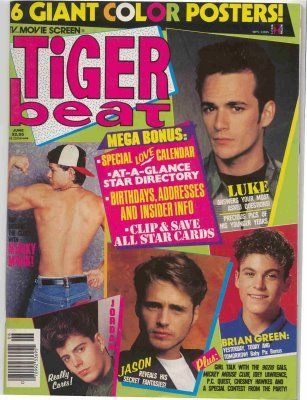
Tiger Beat Had Pop Culture for Every Tween
Tiger Beat was the ultimate magazine for pop culture obsessives. Its covers were splashed with bright images of heartthrobs like Jonathan Taylor Thomas and boy bands like NSYNC, giving tween girls a monthly dose of dreaminess. Launched in the 1960s, it carried through into the 90s, continuing to be a go-to for celebrity gossip, posters, and interviews. But it wasn’t alone.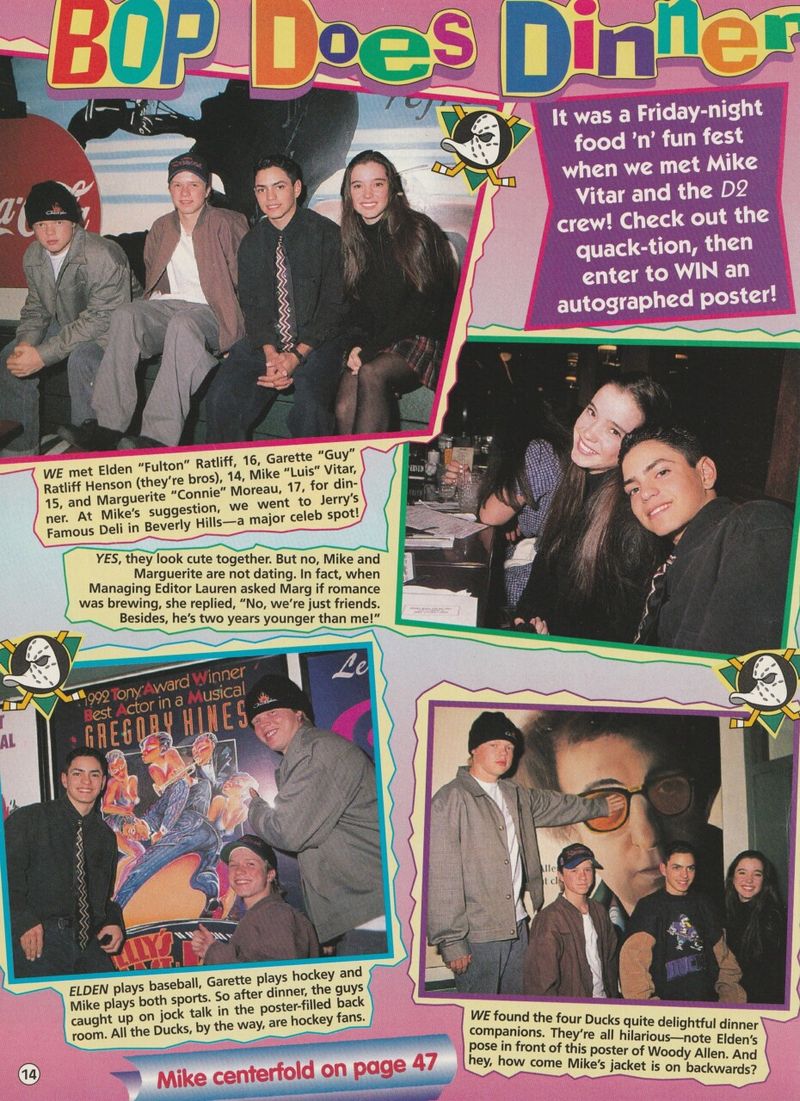
Bop Brought Edge To Its Tween Audience
While Tiger Beat focused on the clean-cut stars of the time, Bop began targeting slightly older tweens in the late 90s, with content featuring music and “edgier” celebrities like Eminem. These magazines didn’t just influence pop culture—they pop culture. Bedrooms were wallpapered with Tiger Beat posters, and the intense fandom fostered by these publications created a sense of community among young readers. Who didn’t fantasize about tearing out the latest centerfold and pasting it above their bed?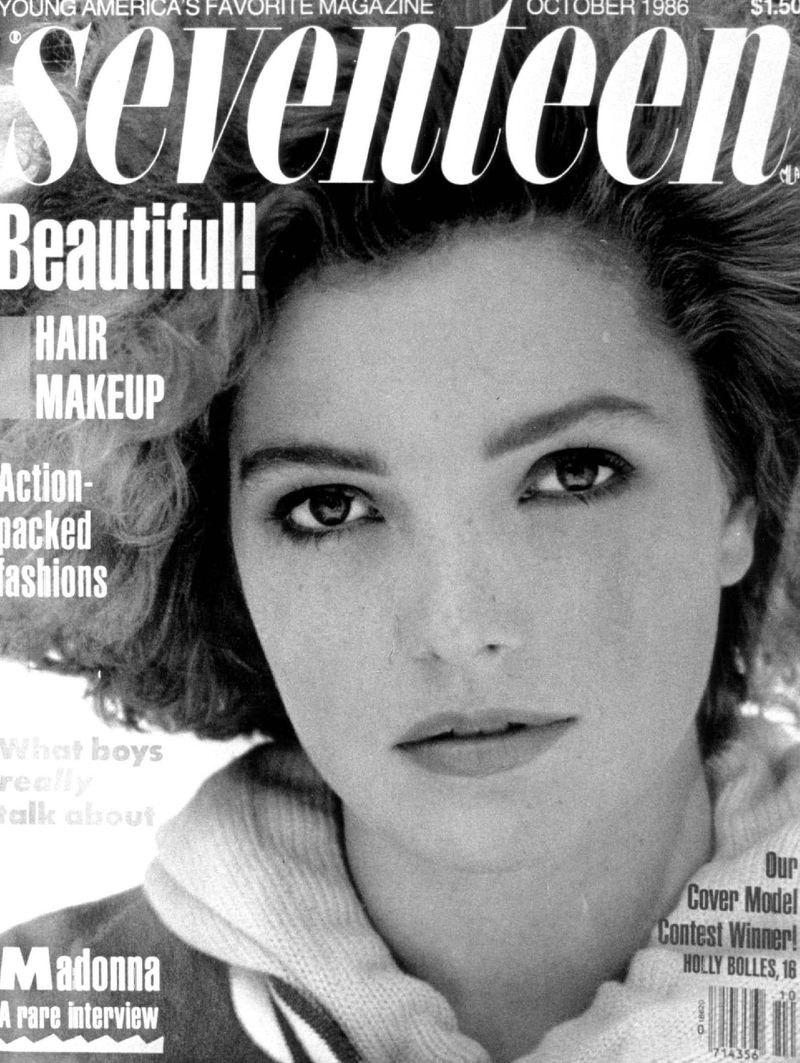
Seventeen - Fashion and Beauty for the Everyday Teen
Seventeen was a rite of passage for those venturing beyond the tween years. Known for its emphasis on fashion and beauty and advice on everything from friendship dilemmas to dating tips, Seventeen felt like a manual for growing up. The 90s were a golden age for the magazine, providing readers with endless style inspiration and, honestly, questionable advice, whether perfecting your skincare routine or rocking that ultimate grunge look.
Cosmogirl! Brought The Focus To Teens
When CosmoGirl! debuted in 1999, it was an instant hit. This Cosmo spinoff blended the mature tone of Cosmopolitan with a focus on teenage readers. It offered celebrity interviews, fashion tips, and a signature “embarrassing moments” section that teens loved to submit to. Alongside beauty advice, CosmoGirl! tackled real-life issues like mental health and body image, making it more than just fluff.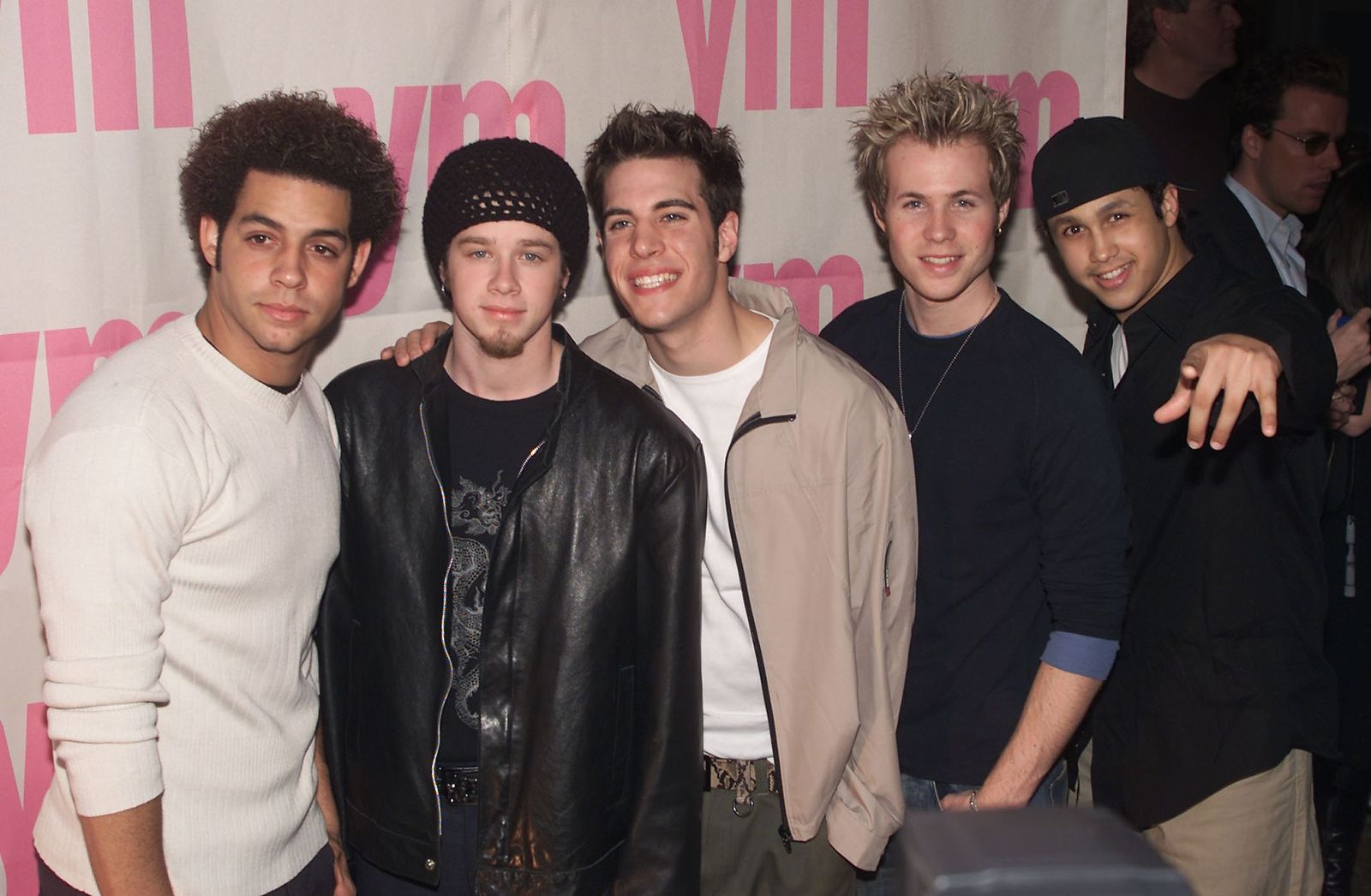
The Evolution of a Classic
As Seventeen or CosmoGirl! rose to prominence, there was YM, short for Young and Modern in the 90s. Its history stretches all the way back to 1932, initially catering to both tweens and teens under different names before evolving into YM by the 80s. In the 90s, the magazine was a go-to for articles about friendship drama, health, and, of course, the infamous “embarrassing moments” sections that let readers feel seen in their awkward teenhood. The magazine continued to evolve over the years, eventually being called Your Magazine before ceasing print in 2004.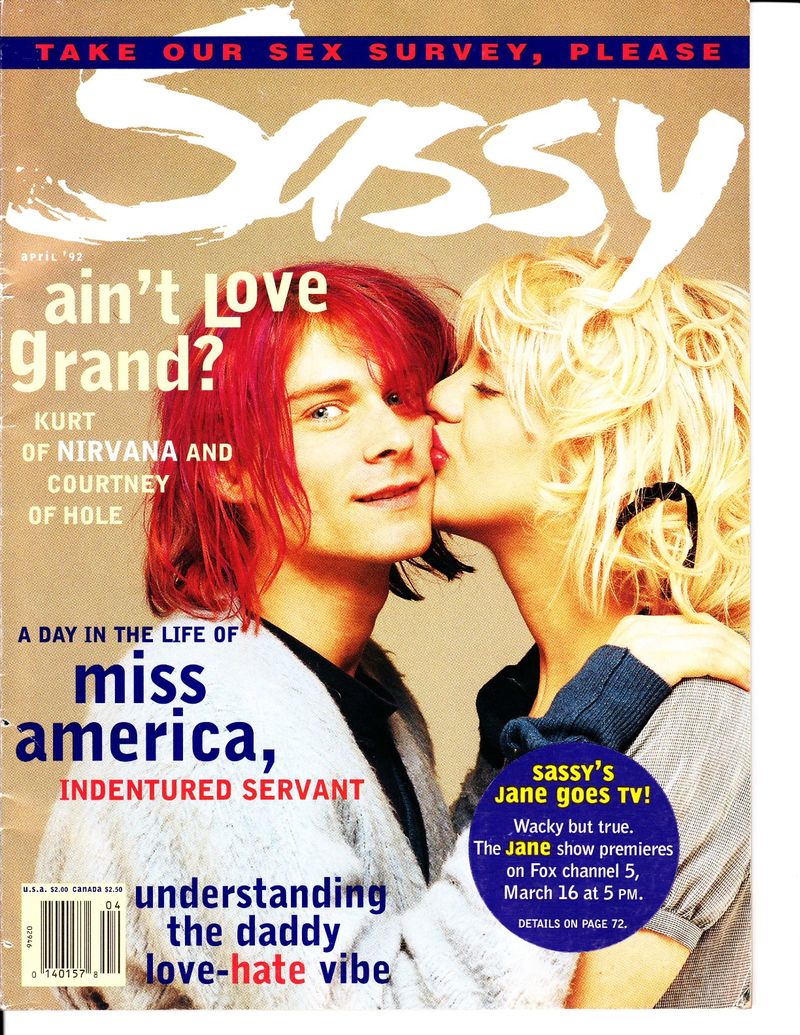
Sassy, A Rebellious Voice for 90s Teens
Sassy was a revelation for the teens who didn’t feel represented by mainstream magazines. Launched in 1988, Sassy offered a unique blend of politics, culture, and fashion, speaking to young women who weren’t interested in conforming to traditional teen norms. Unlike its more commercial counterparts, Sassy pushed boundaries, addressing issues like sexuality with a frankness that shocked some parents and delighted many teens. The magazine’s commitment to individuality made it a beloved publication for those who wanted something more subversive than what Seventeen or Tiger Beat had to offer. Sassy’s legacy lives on, and it is often hailed as a trailblazer for its boldness and authenticity. For many elder Millennials, Sassy holds a nostalgic place in their hearts as a magazine that spoke to them like no other publication did at the time.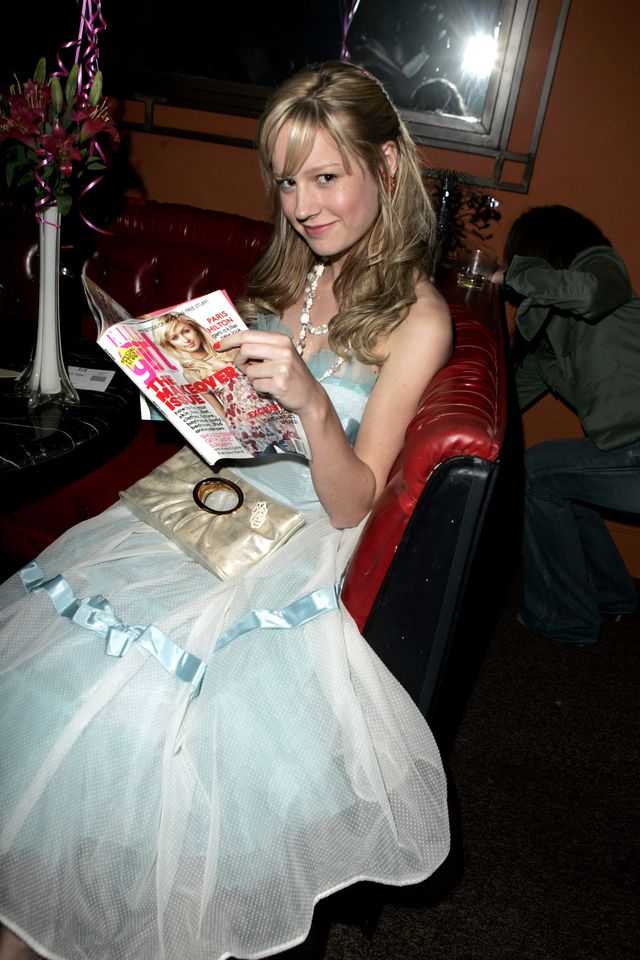
ElleGirl and the Chic Evolution of Teen Fashion
Just as CosmoGirl! filled the gap between Cosmopolitan and teen readers, ElleGirl took its place as the younger sibling to Elle magazine. Debuting in 2001, ElleGirl brought bold fashion, beauty tips, and celebrity interviews to older teens who were transitioning from casual Seventeen readers to a more sophisticated style. Its emphasis on health and entertainment and serialized fiction from popular young adult authors made ElleGirl a standout.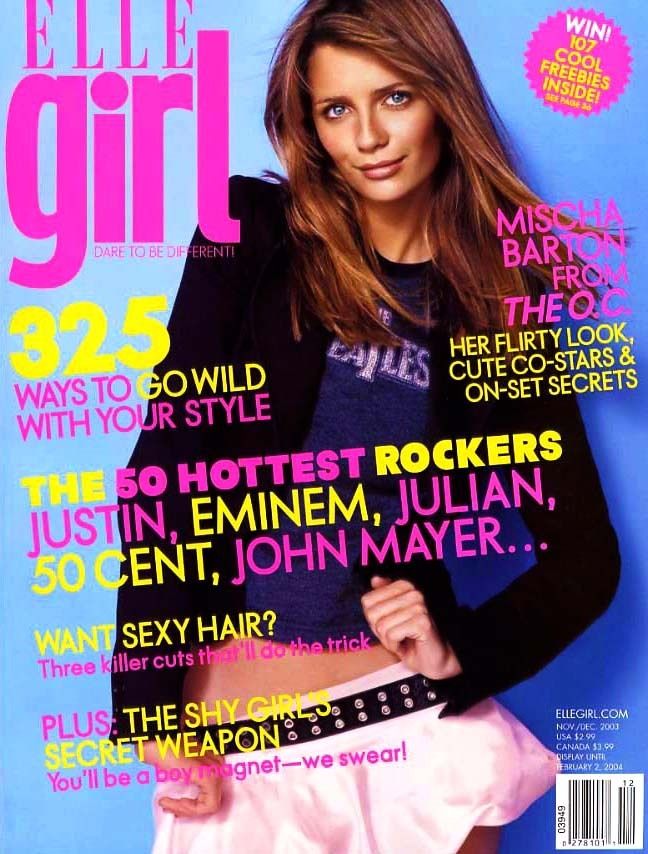
The End of ElleGirl
Like many teen magazines, it struggled to adapt to the growing influence of the internet and closed its print edition in 2006. The attempt to keep ElleGirl’s website running after the print edition ended was short-lived, a sign of the times as teens moved from print to digital faster than the industry could keep up.
Right On! Was A Pioneering Magazine for Black Teens
Right On! was a pioneering force in teen magazines, offering Black teens a space to see themselves represented in pop culture. Launched in 1971, the magazine’s positive, celebratory tone made it a hit among young readers, especially in the 90s. It featured musicians, athletes, and other celebrities, from the Jackson 5 in the early days to the hottest stars of the 90s. Like Tiger Beat and Bop, Right On! covered the biggest stars of the moment but with a focus on Black culture and entertainment. Though its print run ended in 2014, Right On! is remembered as a groundbreaking magazine that paved the way for better representation in mainstream media.
The Shift to Digital Brought An End To Teen Magazines
By the late 90s and early 2000s, the landscape of teen magazines began to change. While publications like Seventeen and Tiger Beat held on, others like CosmoGirl!, ElleGirl, and YM struggled to keep up with the digital shift. The introduction of social media and the internet meant that teens could now access celebrity gossip, fashion tips, and advice instantly, rather than waiting for their monthly magazine to arrive. By the time these magazines began closing or shifting to online formats, a major era in teen pop culture was coming to an end.