

Ratings Battle
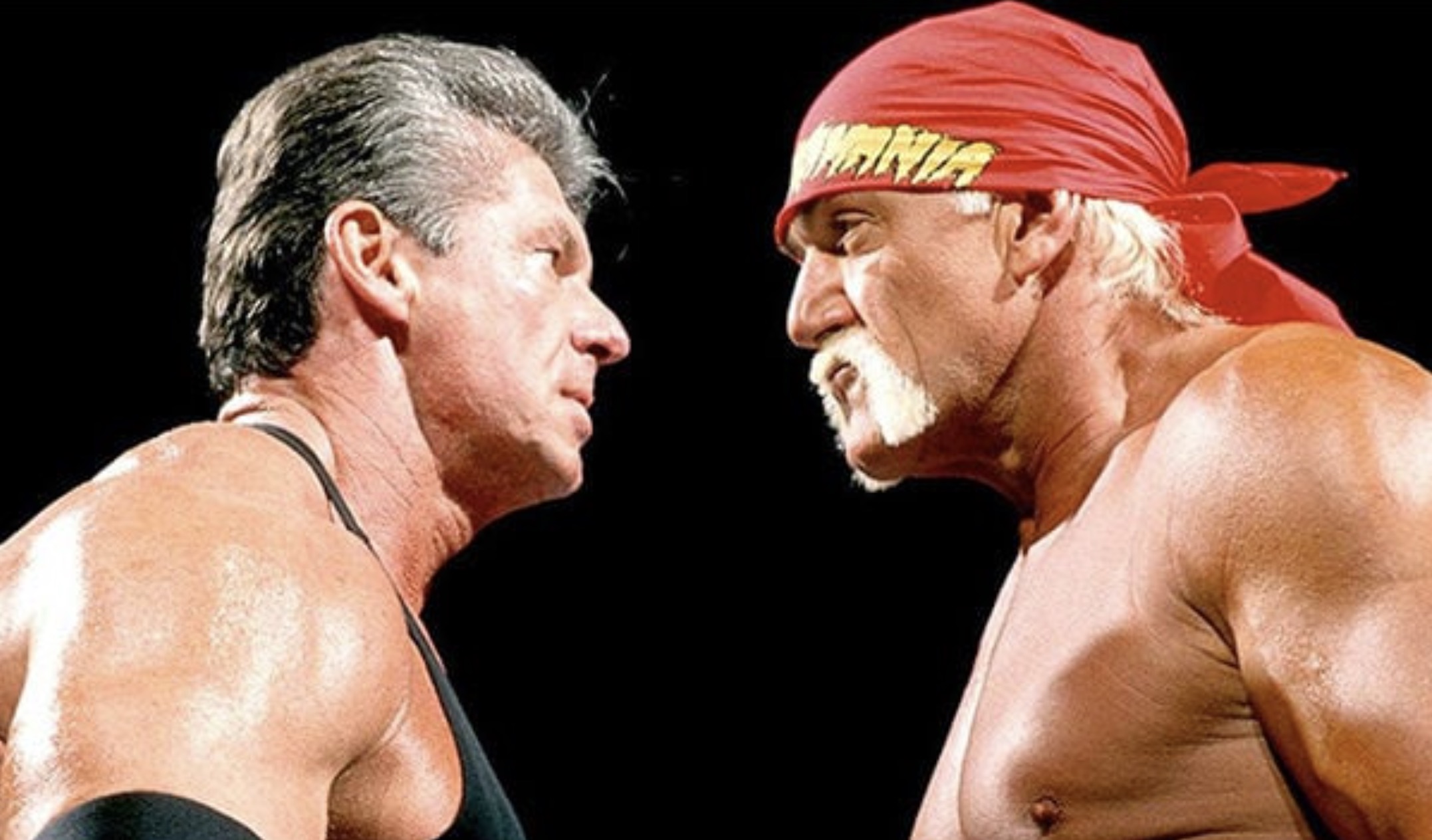
The Monday Night Wars pit the WWF (now WWE) against the WCW during a flashpoint in the wrestling industry. In the 90s, Monday nights were a battleground for ratings, pushing both companies to deliver some of the most unforgettable moments in wrestling history. The Monday Night Wars brought out the best and the worst in the WWE and the WCW, changing the business forever.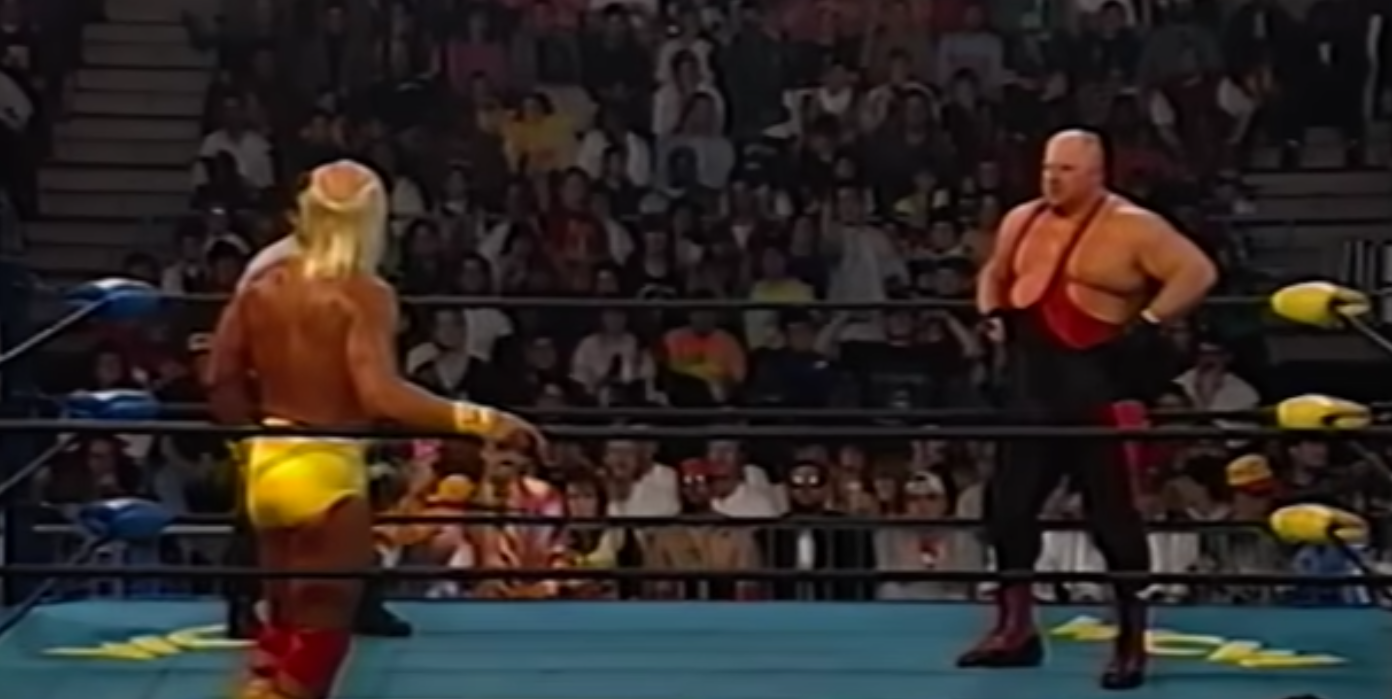
Second tier
The first shot of the Monday Night Wars was fired by WCW in 1995. At the time WCW was seen as a second tier wrestling promotion compared to Vince McMahon’s ultra competitive WWE. When WCW aired Nitro on Monday night, traditionally WWE’s timeslot, with top tier talent like Lex Luger and Hulk Hogan, they made it clear that WCW was taking over.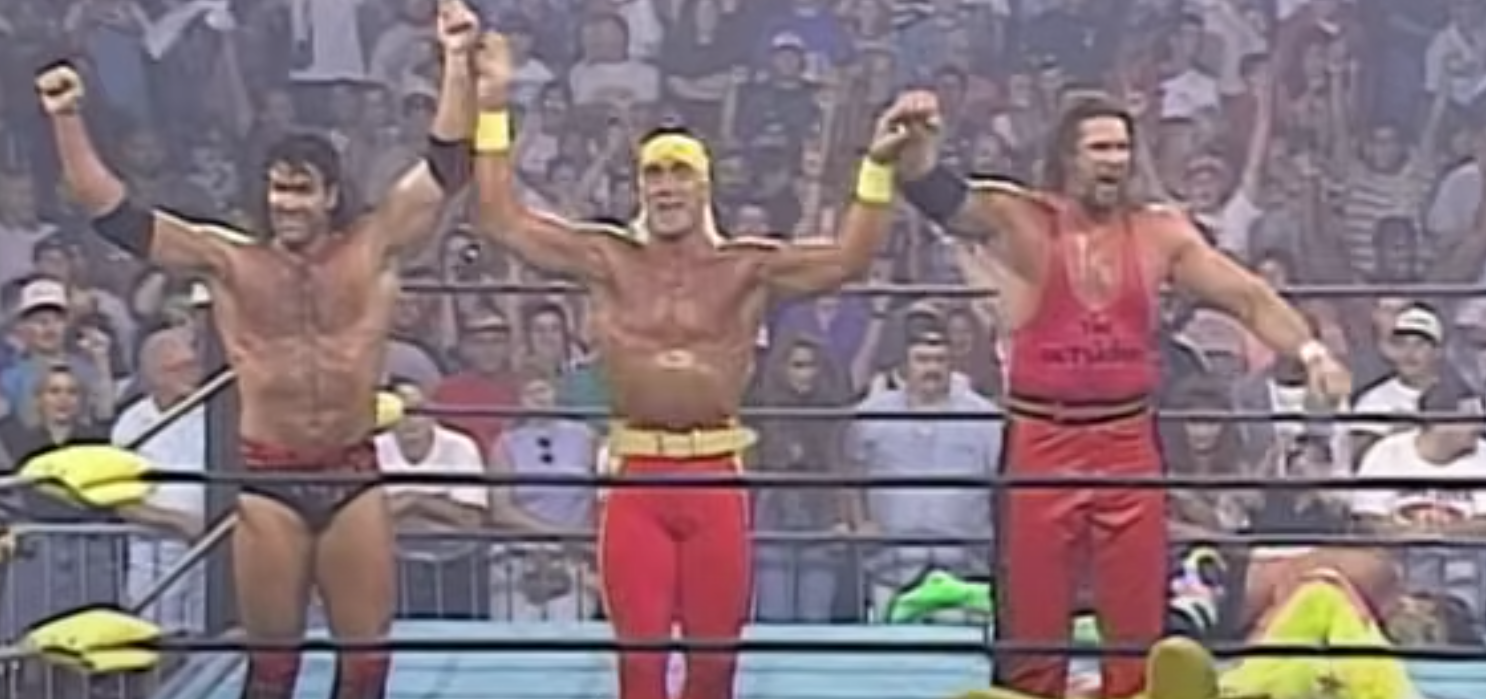
Was scripted
Scott Hall and Kevin Nash were on top of the world in the WWE. Their respective characters, Razor Ramon, and Diesel were huge draws, but they weren’t making the money they felt they should be. So after some tense conversation with the bossman they each made their way over to WCW once their contracts ran out. Rather than show up as new characters, Hall and Nash literally walked into the ring through the audience as themselves, not as new characters. This wasn’t just out of the ordinary, no one had done this before. Even though this kicked off one of the most iconic storylines in wrestling, fans were no longer able to tell what was real and what was scripted.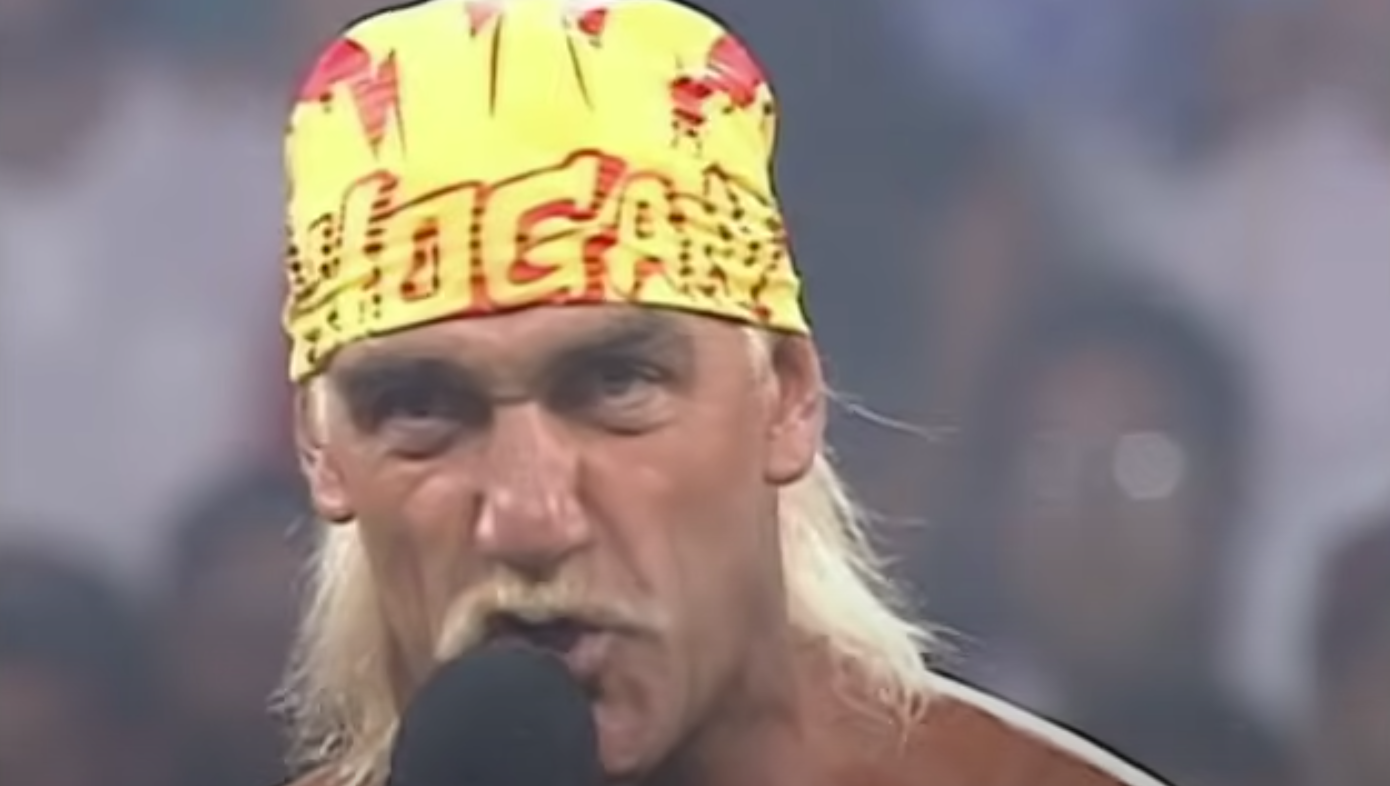
Turned in favor
In wrestling there are hells (bad guys) and faces (good guys), and Hulk Hogan was the face of faces. Not only was he a superstar, but he was the kind of performer who children looked up to in the 1980s. By the 90s his act had gotten stale and audiences were over it. Things didn’t change during his initial move to WCW, but that all changed at Bash at the Beach 1996 when he joined Hall and Nash as the third member of the NWO (New World Order of wrestling, brother). Hogan’s heel turn sent shockwaves through the industry and the ratings turned in favor of WCW.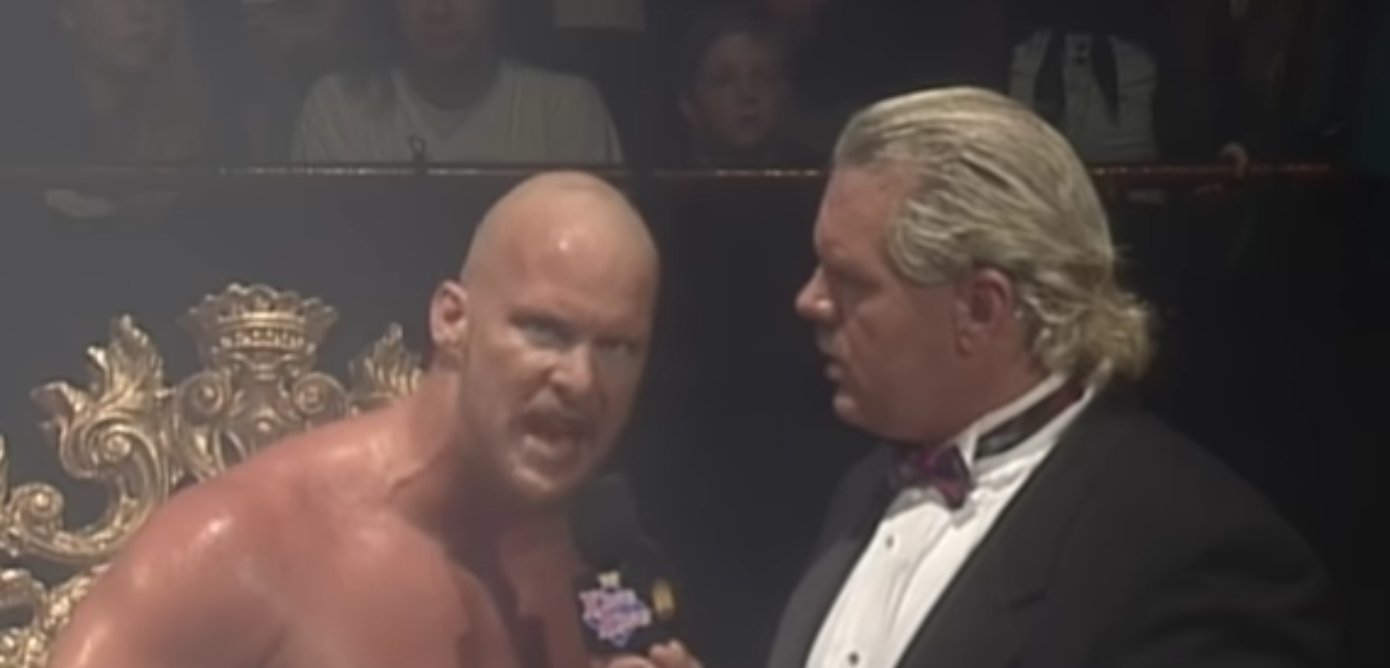
Attitude era
It’s safe to say that the WWE wasn’t ready for the blitz that WCW dropped on them with the NWO. For the first time in years the WWE sat behind WCW in ratings and panic set in. McMahon knew that in order to catch up with the WCW his brand needed to get real, and show some attitude. The Attitude Era began in earnest in 1997, but the company began moving towards this in your face era in 1996 when Stone Cold Steve Austin won the King of the Ring competition and delivered his famous “Austin 3:16” promo. His popularity gave rise to the anti-hero character (a face who acts like a heel), and this set the template for pretty much every popular WWE character that followed. There were the bad boys of Degeneration-X (HHH, Shawn Michaels, X-Pac, Road Dawg, Billy Gunn, and Chyna), as well as The Rock, who became not just one of the most famous wrestlers ever but one of the most famous people on the planet thanks to the Attitude era.
Wrestling world
Once the Monday Wars began both WWE and WCW were not only bringing in crazy amount of viewers, but their live shows were constantly sold out. It was an incredible time to be a wrestling fan. Basically, every week both companies traveled from town to town putting on a show, with the Monday night show broadcast live from wherever they happened to be. It’s rare that either company would be within spitting distance of one another, but on April 27, 1998, DX drove from Hampton, Va., where Raw was taking place, to nearby Norfolk, where WCW’s Monday Nitro was being broadcast… on a tank. The only shots fired that day were metaphorical, but DX’s publicity stunt showed just how far the WWE was willing to go to regain their spot in the wrestling world.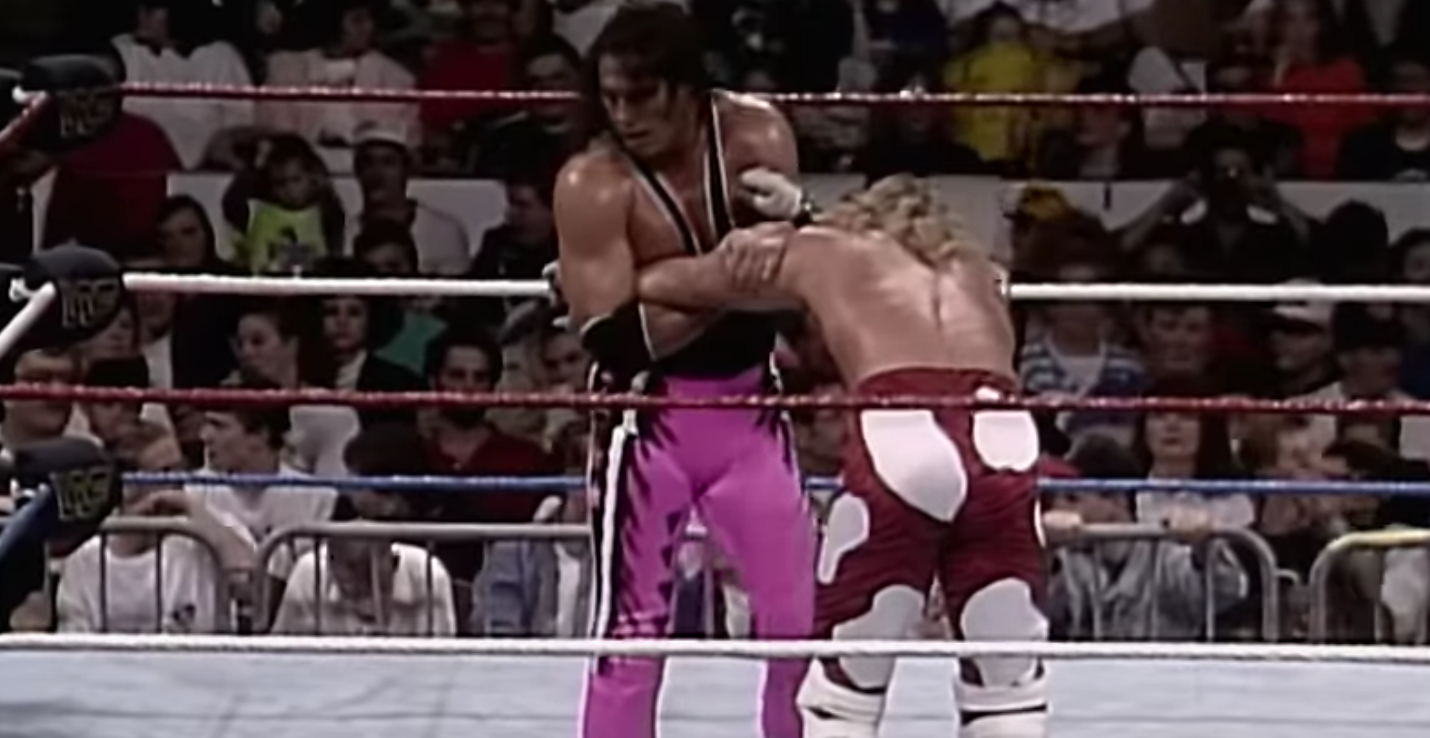
Fantasy and reality
There will be arguments about whether or not wrestling is “real” until the sun explodes, but the best way to think about it is that while the results tend to be planned, the physicality is real. However, the ending of one match remains controversial to this day. The headlining match of Survivor Series 1997 was between the WWE champion Bret Hart and the super popular Shawn Michaels. These guys hated each other in real life, and as Hart was preparing to move to WCW once his contract expired he was set to drop the belt to Michaels. No big deal. Right? Wrong. Survivor Series ‘97 took place in Montreal, Canada, and as a proud Canadian, Hart didn’t want to drop the belt in his home country and offered to give it up the next night on Raw back in the States. There are a million versions of what happened that night, but the thing that everyone agrees on is that during the match Michaels put Hart in his finishing move, The Sharpshooter, and McMahon rang the bell to end the match as if Hart tapped out, even though that’s definitely not what happened. After the match Hart and McMahon got into a very real altercation backstage and the hurt feelings never went away. This moment didn’t just blur the line between fantasy and reality, it blew the doors off wrestling “storylines.”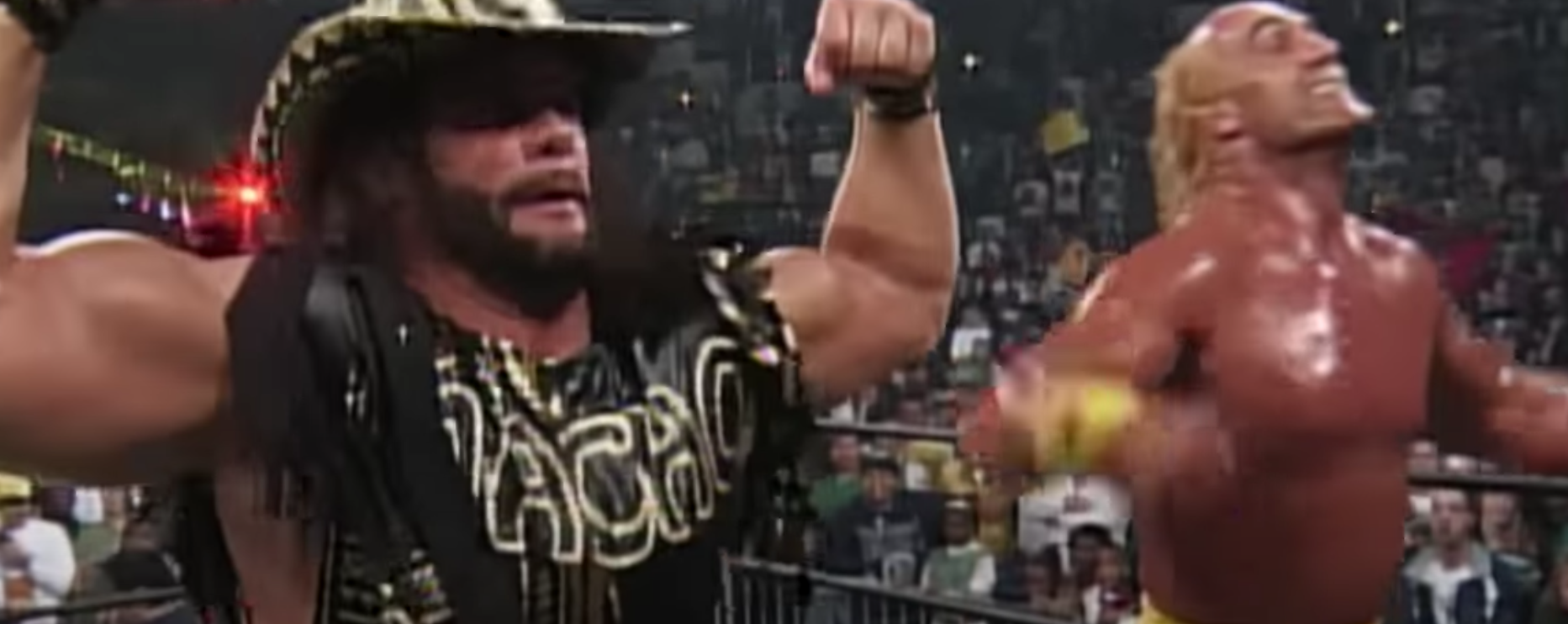
Revolutionary angle
What started as a revolutionary angle became a bloated and out of control faction. As more and more members joined the NWO, it was clear that there was no handle on what to do with the hottest storyline of the 90s. The more members who joined, the more the brand was diluted. By the time that the NWO had split into three different factions (NWO, the Wolfpack, and the LWO) it was clear that the whole thing was over.
Massive ratings
While the WCW broadcast live every Monday, the WWE often filmed two shows in a week, one live and one live to tape so they could broadcast the second taped show every other Monday. In one of the most infamous moments of the Monday Night Way, WCW commentator Tony Schiavone revealed on air that Mick Foley was due to win the WWE Heavyweight Championship on Raw. Fans switched channels in droves to catch Foley’s victory, leading to a massive ratings win for the WWE.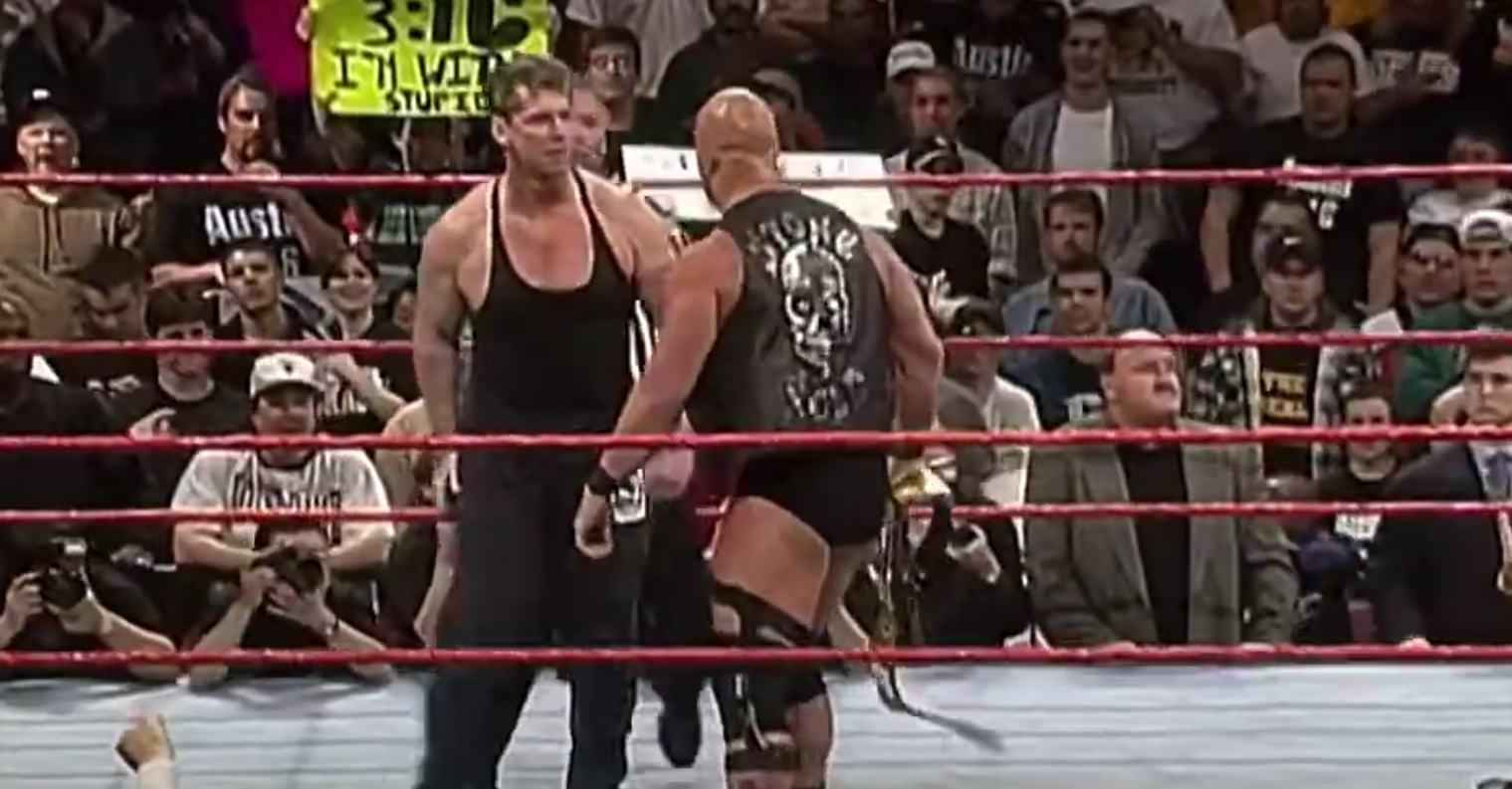
Exact opposite
Following 83 weeks of WCW dominance, the WWE finally reclaimed the ratings lead in 1998 on April 13, 1998. The finale of the episode featured Stone Cold Steve Austin facing off against Vince McMahon, something that audiences had been waiting for. Even if the wrestling on the show wasn’t the hottest thing since sliced bread, it gave audiences a storyline they could follow and a hero to root for, which was the exact opposite of whatever was happening with WCW.
New era in wrestling
By 2001, WCW was a shelf of its former self. Plagued by miserable creative decisions (Crash TV, putting the belt on David Arquette, etc), and financial woes, WCW slowly fell apart. The WWE bought out the company, effectively ending the Monday Night Wars for good and marking the dawn of a new era in wrestling.