

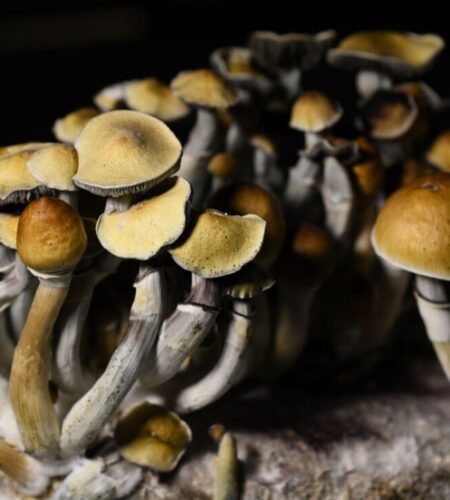
(Image Credit: Getty Images)
In recent years, a growing number of millennials have turned to an unconventional approach to mental health: microdosing psychedelics. Once associated with countercultural movements of the 1960s, psychedelics like LSD and psilocybin (the active compound in magic mushrooms) are experiencing a renaissance, but with a twist. Instead of taking total doses to induce mind-altering trips, individuals consume tiny amounts—just enough to experience subtle benefits without the intense effects. This practice, known as microdosing, is gaining popularity as a tool for enhancing creativity, focus, and emotional well-being. But what’s driving this trend, and what does it mean for the future of mental health?
The appeal of microdosing lies in its promise of profound benefits with minimal disruption to daily life. Unlike traditional antidepressants or anti-anxiety medications, which can come with a host of side effects, microdosing is reported by its advocates to enhance mood, increase productivity, and promote a sense of connection—all without the need for a prescription or a trip to the doctor’s office. For a generation that is both health-conscious and skeptical of Big Pharma, microdosing offers a more natural and holistic approach to mental well-being.
We’re still in the eary days of researching the benefits of microdosing, but anecdotal evidence and small-scale studies suggest that it may have potential as a mental health tool. Users report many positive effects, from improved mood and reduced anxiety to increased creativity and focus. Some practitioners even claim that microdosing has helped them overcome depression, addiction, and other mental health challenges that traditional treatments failed to address.
One of the reasons microdosing resonates with millennials is its alignment with the broader trend toward self-optimization. In a world that demands constant productivity and innovation, microdosing is seen as a way to enhance cognitive performance and tap into one’s full potential. It’s not just about treating mental health issues—it’s about thriving in a fast-paced, competitive environment.
Not everyone is on board with microdosing. Critics point out that the limited scientific evidence to support the efficacy and safety of microdosing, and the long-term effects of regular microdosing remain unknown. Moreover, the lack of regulation raises concerns about purity and dosage. On top of all that, psychedelics remain illegal in most parts of the world, putting users at risk of legal consequences.
Despite these challenges, the growing interest in microdosing has sparked renewed scientific inquiry into the therapeutic potential of psychedelics. Researchers are exploring how these substances can be used to treat a range of mental health conditions, from depression and PTSD to anxiety and addiction. Early studies have shown promising results, particularly in controlled clinical settings where patients receive total doses of psychedelics under the guidance of trained therapists. The success of these studies has led to a push for the decriminalization and medicalization of psychedelics, with some jurisdictions already moving in that direction.
For folks who are more open to alternative treatments and holistic approaches to health, the psychedelic renaissance represents a new frontier in mental health care. It challenges traditional notions of treatment and allows us to see into a future where mental health is approached with a broader array of tools, including those once relegated to the fringes of medicine.
As the conversation around microdosing and psychedelics continues to evolve, it’s essential to approach the topic with both curiosity and caution. The potential benefits are intriguing, but the lack of comprehensive research and the legal status of these substances mean that individuals should proceed with care. For those considering microdosing, it’s crucial to seek reliable information, start with very small doses, and be mindful of the risks involved.
The resurgence of interest in psychedelics, mainly through the practice of microdosing, reflects a broader shift in how millennials approach mental health. It’s a movement that blends self-optimization with a desire for more profound, more meaningful experiences. As research progresses and the legal landscape shifts, microdosing may become a more mainstream option for those seeking alternative paths to mental wellness. For now, it remains an intriguing, if still somewhat experimental, tool in the ongoing quest for better mental health.
