

(Image Credit: Getty Images)
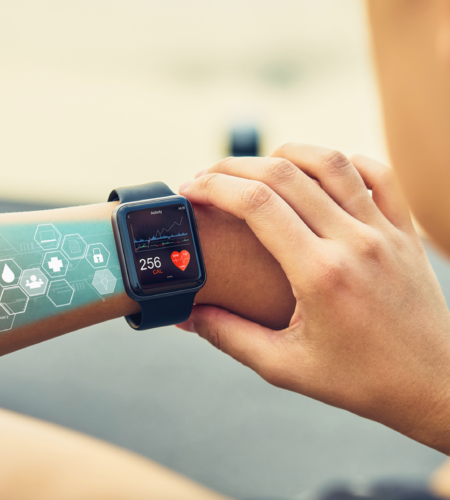
In recent years, biohacking has emerged as an exhilarating trend among those seeking to enhance their physical and mental capabilities through innovative means. From implanting microchips under the skin to experimenting with nootropic supplements, biohackers are pushing the boundaries of human potential in ways that were once the stuff of science fiction. This wave of excitement is not without its ethical implications, but it also opens up a world of possibilities. As biohacking becomes more mainstream, the question remains: where do we draw the line?
At its core, biohacking is about optimizing the human body through various methods, including diet, technology, and even genetic modification. The movement has gained momentum in Silicon Valley and among tech-savvy workers who see it as a way to gain a competitive edge in a fast-paced world.
One of the primary concerns is the potential for inequality. Suppose biohacking technologies and enhancements become widely available. In that case, there’s a risk that only the wealthy can afford the most effective (and expensive) treatments, creating a new class divide based on biological enhancements. This could lead to a future where the rich are economically advantaged and biologically superior, raising questions about fairness and equity in society.
There’s also the issue of safety. Many biohacking practices involve self-experimentation with unregulated substances or DIY procedures, which can pose significant health risks. It’s entirely possible that someone experimenting on themselves is going to suffer serious harm without proper oversight, and the long-term effects are often unknown. The lack of regulation in the biohacking community raises questions about who we hold responsible when things go wrong and whether the benefits of biohacking outweigh the potential dangers.
Moreover, biohacking challenges our understanding of what it means to be human. As we merge our bodies with technology and alter our genetic makeup, we blur the lines between human and machine, natural and artificial. This raises philosophical questions about identity, consciousness, and the essence of humanity. Are we still human if we replace parts of our biology with technology? And if we can enhance our brains and bodies beyond their natural limits, what does that mean for our sense of self?
These ethical concerns aren’t just theoretical—they have real-world implications that need to be addressed as biohacking becomes more prevalent. Governments and regulatory bodies will need to grapple with how to manage and regulate this new frontier, ensuring that it’s safe, equitable, and ethical. But it’s not just up to them. Society as a whole, including tech-savvy individuals, policymakers, ethicists, and the general public, has a crucial role to play. We all need to engage in a broader conversation about the direction we want to take as a species, and our collective decisions will shape the future of biohacking.
Biohacking offers incredible potential for improving human life, but it also presents significant ethical challenges that cannot be ignored. As we move forward, it’s crucial to establish clear boundaries and guidelines that protect individuals while allowing for innovation. The future of biohacking will depend on our ability to balance these competing interests and make thoughtful, informed decisions about where to draw the line. This process, though complex, will ensure that biohacking is a force for good in our society.
