

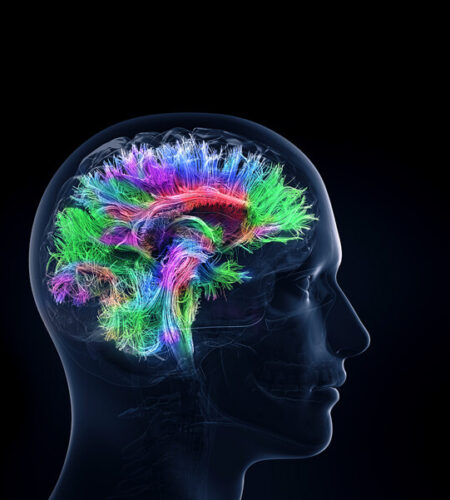
(Image Credit: Shutterstock)
Understanding how our brains work has never been more crucial. For those of us who are juggling the demands of careers, relationships, and personal growth in world that filled with digital noise and social overload, gaining insight into the brain’s functions can be a powerful tool for improving cognitive health and overall well-being. From boosting creativity to enhancing focus and managing stress, decoding the brain is critical to thriving in today’s complex environment.
One of the most empowering aspects of the brain is its neuroplasticity—the ability to change and adapt in response to new experiences, learning, and even injuries. This means we can rewire our brains, strengthen neural connections, and develop new ones. This isn’t just good news, it’s a call to action. This means we can improve our cognitive abilities, overcome negative thought patterns, and adapt to new challenges by engaging in activities stimulating the brain, like learning a new skill, practicing mindfulness, or pursuing creative endeavors.
While neuroplasticity offers immense potential, it also comes with a caveat: the brain can be shaped positively and negatively. The constant exposure to digital media and modern productivity culture (multitasking, rise and grind, etc) can cause shorter attention spans, increased distractibility, and a tendency to rely on superficial information processing. Understanding this, it becomes clear why it’s essential to cultivate habits that promote deep thinking, sustained focus, and mental resilience. Activities like reading long-form content, practicing single-tasking, and engaging in mindfulness meditation can help counteract the adverse effects of digital overload and enhance our brain’s ability to concentrate and process information deeply.
Another critical area of brain research that millennials should be aware of is the impact of stress on cognitive function. Chronic stress, whether from work pressures, financial concerns, or personal relationships, can take a toll on the brain, particularly the hippocampus—the region responsible for memory and learning. Prolonged stress can shrink the hippocampus, leading to memory problems and difficulties in learning new information. Stress triggers the release of cortisol, a hormone that, in high levels, impairs our reasoning skills and increases the risk of mental health issues like anxiety and depression.
If you want to avoid all of that stress on the brain, you have to develop cognitive management strategies that work for you. Regular physical exercise, sufficient sleep, and meditative techniques like deep breathing or yoga can help reduce cortisol levels and keep your brain safe from the damaging effects of chronic stress. One of the best things you can do is build a strong social support network, while finding time for activities that are all about joy.
Sleep is such an important factor in maintaining optimal brain function. Sleep is when our brains goes through consolidation, organizing and storing memories from the day. It also clears out toxins that build up during waking hours, which is vital for cognitive health. Unfortunately, many of us struggle with sleep due to busy schedules, stress, and the constant lure of digital screens. But it’s time to prioritize sleep. If you establish a regular sleep routine, and try to reduce screen time before you hit the hay, you’ll create a calming sleep environment can significantly enhance cognitive performance, mood, and overall well-being.
Understanding how our brains work also involves recognizing the importance of emotional intelligence—the ability to perceive, understand, and manage our emotions and those of others. Emotional intelligence is not just a nice-to-have, it’s a must-have for personal and professional success. It’s closely linked to brain function, particularly in the prefrontal cortex, which is in charge of impulse control, how we make decisions, and social behavior. Developing emotional intelligence can improve relationships, enhance communication, and increase resilience in facing challenges. Techniques such as mindfulness, reflective journaling, and empathy training can help strengthen emotional intelligence and contribute to more tremendous personal and professional success.
In addition to these cognitive aspects, it’s essential to consider the impact of diet and nutrition on brain health. Our brains are hungry. They consume about 20% of the body’s total energy, so what we eat directly affects our brain’s structure and function. Diets rich in omega-3 fatty acids found in fish, antioxidants found in berries, and vitamins like B12 and D found in meat and dairy help our brains get that pep in their step and protect against neurodegenerative diseases. On the other hand, diets high in sugar, processed foods, and unhealthy fats play a major part in brain fog, mood swings, and a decline in cognitive abilities. For people looking to optimize their brain health, try to create a balanced diet with plenty of fruits, vegetables, whole grains, and the kinds of healthy fats that you’ll find in avocados and nuts.
The brain’s default mode network, active when we’re not focused on the outside world, plays a crucial role in creativity and generating new ideas. Allowing ourselves time for rest, daydreaming, and reflection can activate this network, leading to more innovative thinking and better solutions to complex problems. For anyone striving to succeed in a fast-paced, ever-changing world, understanding how our brains work is a key to unlocking our full potential. We can kick our cognitive abilities into gear and lead more fulfilling lives by making use of neuroplasticity, managing stress effectively, prioritizing sleep, developing emotional intelligence, and fueling our brains with the proper nutrients. As we learn more about the brain’s incredible capabilities, we gain the tools we need to thrive in our personal and professional lives.
