

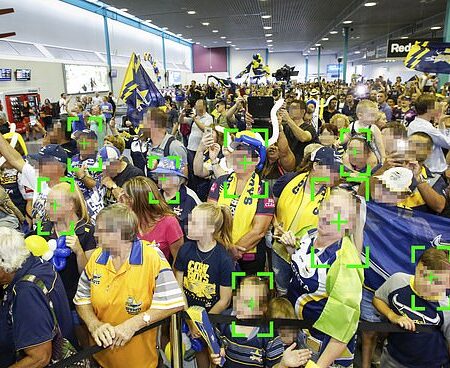
(image credit: AAPIMAGE)
As facial recognition technology advances, it’s finding its way into more and more public spaces—including stadiums and sports arenas. For many, this might seem like a logical step forward in enhancing security and improving the fan experience. After all, who wouldn’t want faster entry times, personalized services, or enhanced safety measures when attending a game or concert? But for the generations that have grown upup alongside the rise of digital technology, the adoption of facial recognition in these spaces raises significant privacy concerns that we can’t ignore.
Facial recognition technology works by scanning individuals’ faces and comparing them to a database of images, typically for security purposes. In stadiums, it’s being touted as a way to streamline the entry process, quickly identify individuals of interest, and even offer personalized services based on a fan’s past purchases or preferences. However, the use of this technology in recreational spaces where people go to unwind and enjoy themselves is sparking a broader debate about the implications for personal privacy.
One of the primary concerns among millennials is the potential for data misuse. Once your face is scanned and stored in a database, it becomes part of a digital record that can be accessed, shared, or sold without your consent. There’s also the risk of this data being hacked or leaked, exposing personal information to malicious actors. For a generation already wary of how much of their personal data is being collected by tech companies and governments, the idea of being constantly monitored where they go to relax feels like a significant overreach.
Moreover, there’s the broader societal impact to consider. Normalizing facial recognition in public spaces sets a precedent for increased surveillance in other areas of daily life. What starts in stadiums could easily extend to shopping malls, public transportation, or even schools and workplaces. This creeping surveillance state is a troubling prospect for millennials, who value their autonomy and are increasingly vocal about the need for stricter regulations around data privacy.
Privacy is only problem with facial recognition technology—there’s also a major potential for discrimination. Facial recognition technology has been shown to have biases, particularly against people of color and women, leading to higher rates of false positives in these groups. This could result in unfair treatment or even wrongful detention, further exacerbating existing social inequalities. For a generation that is deeply committed to social justice, these potential harms make the technology even more controversial.
So, what can we do to protect their privacy while they just try to live their lives? First, staying informed about where and how facial recognition is used is important. Many stadiums and venues must disclose this information, so it’s worth checking before you attend. Additionally, there are growing movements advocating for the regulation or outright ban of facial recognition technology in public spaces—getting involved in these efforts can help push for stronger privacy protections.
Apps and tools are being developed to help users opt out of facial recognition or to detect when it’s being used without their knowledge. By staying proactive and informed, we can navigate this new landscape without compromising our values.
As the line between safety and surveillance continues to blur, we have to engage in the conversation about where and how their data is being used. By advocating for transparency, fairness, and accountability in the deployment of facial recognition technology, this generation can help shape a future that respects security and individual privacy.
