

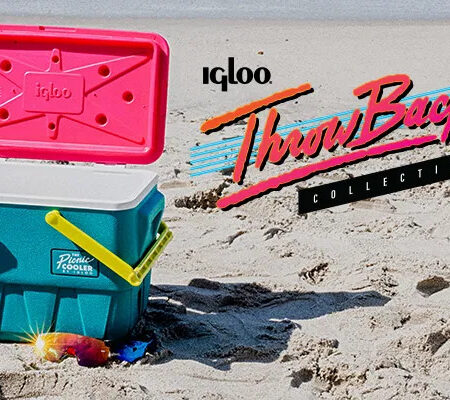
(image credit: igloo)
In a world where the latest tech gadgets and cutting-edge trends dominate our attention, it might seem odd for brands to look backward for inspiration. Yet, nostalgia marketing—a strategy that draws on past trends and cherished cultural moments—has surprisingly become a secret weapon for many companies. By tapping into the emotional power of yesteryears, brands can forge deep connections with their audience, subtly guiding their choices and cultivating lasting loyalty. So, what makes nostalgia such a magnetic force, and how does it shape how we shop?
The Emotional Pull of Nostalgia
Nostalgia marketing is more than just a superficial nod to past styles or products; it’s a deeply rooted psychological strategy. When brands invoke nostalgia, they tap into a reservoir of positive emotions tied to past experiences. This emotional connection isn’t arbitrary—it’s deeply ingrained in our psychological need for comfort and familiarity. Nostalgia can evoke a sense of warmth and happiness, often associated with simpler times. Brands harnessing these feelings successfully create powerful, positive associations with their products. It’s not merely about reminiscing; it’s about rekindling emotions and experiences that resonate on a deeper level.
Why Retro Trends Resonate
The appeal of retro trends is multifaceted. Sentimental value plays a significant role; people’s emotional attachment drives nostalgia to their past experiences. When a brand revives a classic product or design, it often taps into personal memories, enhancing its appeal. Additionally, retro trends offer a comforting sense of stability in today’s fast-paced world. They provide an escape from modern complexities by harking back to times perceived as more straightforward and reassuring. Retro trends also foster a sense of connection and identity. They link consumers to a shared cultural moment, reinforcing a sense of community and continuity.

The Impact on Consumer Behavior
The impact of nostalgia marketing on consumer behavior is substantial. Research indicates that nostalgic advertising can enhance brand attachment and increase purchase intent. Consumers who feel an emotional connection to a brand through nostalgic elements are likelier to develop lasting loyalty. This emotional bond can make them more inclined to choose that brand over competitors. Furthermore, products tied to nostalgic elements often stand out in a crowded market. Their familiarity and emotional resonance can make them more attractive, driving sales and encouraging repeat purchases. Nostalgic marketing campaigns also tend to generate higher levels of engagement. Consumers are more likely to interact with and share content that evokes positive memories, amplifying the campaign’s reach and impact.
Crafting Effective Nostalgia Campaigns
Crafting effective nostalgia campaigns involves careful consideration. Authenticity is crucial; brands must ensure their nostalgic references resonate genuinely with their audience. Superficial or inauthentic attempts to evoke nostalgia can backfire, leading to consumer skepticism rather than emotional connection. Brands should also strive to balance nostalgia with innovation. While taping into past sentiments is essential, integrating these elements with modern features or messages can make the product relevant to contemporary consumers. Finally, understanding the specific memories or cultural touchstones that resonate with the target audience is critical. Tailoring nostalgic elements to align with their experiences can significantly enhance the campaign’s effectiveness.
In conclusion, nostalgia marketing harnesses the powerful pull of past experiences to build emotional connections, drive consumer behavior, and foster brand loyalty. By tapping into fond memories and familiar cultural touchstones, brands can create compelling and engaging campaigns that resonate deeply with their audiences.
