

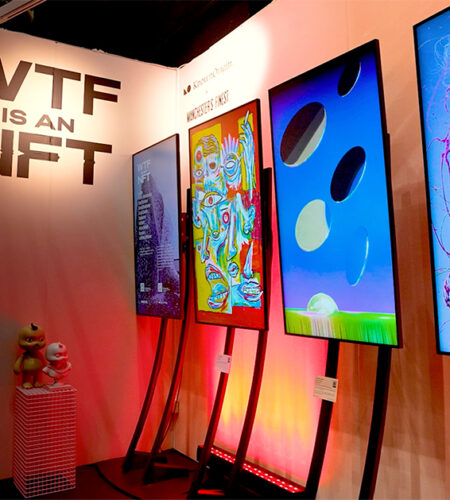
(image source: KnownOrigin)
The art world is experiencing a seismic shift, and a digital revolution is driving it. Enter non-fungible tokens (NFTs), a term buzzing around the art and tech communities and reshaping the landscape of how art is created, bought, and valued. You’re not alone if you’re wondering what NFTs are and why they’re creating such a stir. Let’s dive into the world of NFTs, explore their impact on art, and understand how they’re changing the game for artists and collectors alike.
Unpacking NFTs: What Are They?
At first glance, NFTs might seem like a techie buzzword, but they’re actually a fascinating blend of technology and art. NFT stands for non-fungible token, and while that might sound complex, the concept is quite simple. Unlike cryptocurrencies like Bitcoin or Ethereum, which are interchangeable (one Bitcoin is always equal to another), NFTs are unique. Each NFT is a distinct digital asset that represents ownership of a specific item or piece of content, usually verified on a blockchain.
Imagine a certificate of authenticity for a digital artwork. Still, instead of a physical document, it’s encoded into a blockchain—a decentralized digital ledger that records every transaction and ensures the item’s uniqueness. This blockchain verification is what sets NFTs apart from traditional digital files that can be easily copied and shared.
How NFTs Are Shaping Art Creation
The rise of NFTs has opened up new horizons for artists, especially those working in digital media. Before NFTs, digital art was often undervalued because it could be duplicated endlessly without indicating who the original creator was. NFTs change that narrative by providing a mechanism for digital artists to prove their ownership and originality.
Artists can now mint their work as NFTs, meaning they create a unique token that represents their artwork on the blockchain. This affirms their ownership and makes their work easily tradable and collectible in a previously challenging way for digital media. Moreover, NFTs allow for a wide range of creativity that traditional media might not accommodate. Digital art can include interactive elements, animations, or even be integrated into virtual worlds, adding layers of innovation that were hard to achieve before.
Transforming the Art Marketplace

One of the most revolutionary aspects of NFTs is how they’ve transformed the art market. In the past, artists often relied on galleries and auction houses to sell their work. This system, while prestigious, also had its barriers—high commissions, limited access, and sometimes a lack of transparency. NFTs democratize art sales by allowing artists to engage directly with buyers through online platforms.
These platforms, such as OpenSea, Rarible, and SuperRare, are marketplaces where artists can list their NFT art, and collectors can bid or purchase directly. This direct engagement removes intermediaries, reducing costs and giving artists more control over their sales. Additionally, the ability to sell art as NFTs means that artists can reach a global audience without geographical limitations.
Redefining Ownership and Value
The notion of ownership in the digital realm can be quite different from physical art. When you own an NFT, you own the original token representing the digital artwork. While digital files can be replicated, the NFT is the key to owning that piece’s “original” version. It’s akin to owning a signed print versus a mass-produced copy of a painting. The value of NFTs is heavily influenced by their rarity and the artist’s reputation, much like traditional art markets.
However, the NFT space isn’t without its controversies. Critics argue that the market can be speculative, with values sometimes driven by hype rather than intrinsic artistic merit. There’s also concern about the environmental impact of blockchain technologies, which require significant energy for transactions and verification. Despite these concerns, the NFT market continues to grow and evolve, reflecting a new paradigm in how we perceive and value digital art.
NFTs and the Future of Art

(Adobe Stock)
NFTs are likely to play a significant role in the future of art. They offer exciting possibilities for artists, from innovative expression to new revenue streams. The ongoing evolution of technology, including virtual and augmented reality integration, suggests that the potential applications of NFTs still need to be fully realized.
For collectors and investors, NFTs represent an opportunity to engage with art in a new way. The ability to support artists directly and participate in the growth of their work offers a unique form of investment. Moreover, as the market matures, we may see greater standardization and more robust platforms that address current criticisms, making the NFT art space more accessible and sustainable.
In conclusion, NFTs are more than a technological trend—they redefine the art world’s landscape. By providing digital ownership, transforming art sales, and expanding creative possibilities, NFTs challenge traditional norms and open new avenues for artists and collectors. As we navigate this digital frontier, one thing is clear: NFTs are here to stay and are changing how we experience art in the 21st century.
