

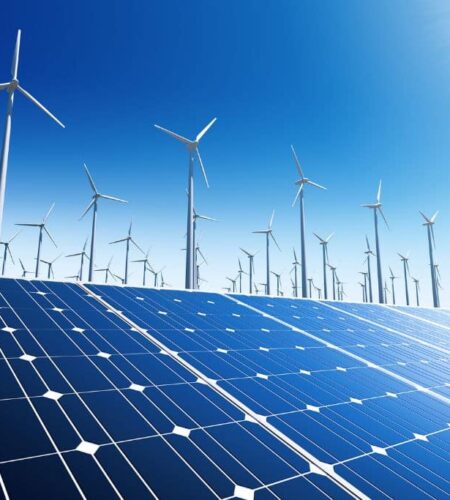
(Image Credit: public domain)
Renewable energy, the beacon of hope for our planet’s future, has made significant strides. Despite persistent misconceptions, such as the perceived high cost of solar panels or the unreliability of wind turbines, the truth is far more promising. The journey towards green energy is not devoid of challenges, but understanding the progress and dispelling the myths is crucial as we stride towards a more sustainable future.
Myth 1: Renewable Energy Is Inherently Expensive. One of the most pervasive myths about renewable energy is its perceived high cost. However, this narrative is outdated. The cost of solar panels has plummeted by more than 70% over the last decade, and wind energy is now a leading cost-effective source of electricity. Countries like Germany and China have made substantial investments in renewables, demonstrating that green energy can be both affordable and scalable. As technology progresses, the costs will continue to decline, making renewable energy more accessible to all.
Myth 2: Green Energy Isn’t Reliable Enough for Large-Scale Use Another common misconception is that renewable energy sources are too unreliable to meet our energy needs consistently. Critics often point to the intermittent nature of solar and wind power, arguing that they can’t provide a steady electricity supply. However, this overlooks the rapid advancements in energy storage solutions. Modern battery technology allows us to store excess energy generated during sunny or windy periods, ensuring a reliable power supply even when the weather isn’t cooperating. Additionally, a diversified energy grid with a mix of renewable sources can provide stability and resilience, reducing our dependence on fossil fuels.
Myth 3: Switching to Renewable Energy Will Hurt the Economy. There’s a belief that transitioning to renewable energy will hurt the economy, removing jobs and raising costs. That’s just not the case. The green energy sector is one of the fastest-growing industries globally, creating millions of manufacturing, installation, and maintenance jobs. The International Renewable Energy Agency (IRENA) estimates that renewable energy could create up to 42 million jobs by 2050. Investing in renewable energy can crank up economic growth by reducing energy costs and decreasing the financial burden of environmental damage caused by fossil fuels. This potential for growth is a reason for optimism.
Myth 4: Renewable Energy Is Only for Wealthy Countries It’s easy to assume that only wealthy nations can afford to invest in renewable energy, but this is far from the truth. Many developing countries are leading the way in green energy adoption. For example, Kenya now generates over 90% of its electricity from renewable sources, primarily geothermal and hydroelectric. Similarly, India has become one of the largest markets for solar energy, with ambitious plans to increase its capacity in the coming years. These examples show that renewable energy is not just a luxury for the rich but a viable solution for all nations.
The myths surrounding renewable energy can be daunting, but they don’t hold up under scrutiny. As technology advances and costs decrease, green energy is becoming an increasingly practical and necessary part of our global energy landscape. By dispelling these misconceptions, we can make informed decisions that support a sustainable future for all.
