

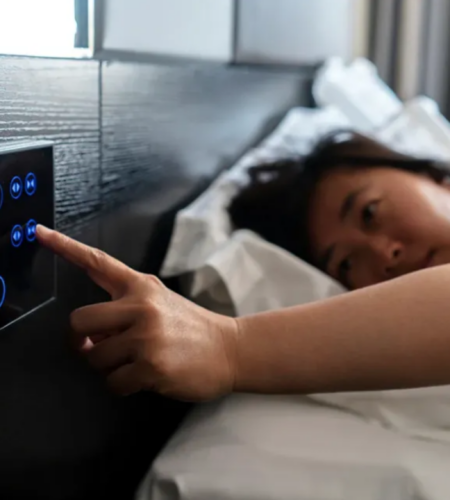
Sleep, a fundamental aspect of our health, is often a struggle. Whether it’s difficulty falling asleep, staying asleep, or waking up feeling refreshed, sleep problems are all too common. Amidst the countless remedies and sleep aids, technology is emerging as a beacon of hope, a powerful tool that could potentially revolutionize our understanding and management of sleep. The potential of tech to be the answer to your restless nights is not just promising, but also revolutionary.
Understanding Sleep
Before we explore the tech solutions, it’s crucial to grasp the fundamentals of sleep. Sleep, a complex biological process, is a cornerstone of physical and mental health. It encompasses multiple stages, each serving distinct functions. And here’s where technology steps in, shedding light on these intricate processes and providing us with a deeper understanding of our sleep patterns.
Various factors, including your environment, lifestyle, and overall health, influence your sleep quality. For many, modern life—with its stress, screen time, and irregular schedules—disrupts the natural sleep-wake cycle, leading to poor sleep quality and a host of related issues, from fatigue to mood disorders.
Tech to the Rescue
In recent years, a wave of sleep-focused technologies has emerged, offering new ways to monitor, analyze, and improve sleep. These range from wearable devices that track your sleep patterns to innovative mattresses that adjust to your body throughout the night. Here’s a look at some of the most promising sleep tech available today:
- Wearable Sleep Trackers: Devices like the Oura Ring, Fitbit, and Apple Watch can track your sleep stages, heart rate, and even your movements during the night. By analyzing this data, you can gain insights into your sleep patterns and identify factors disrupting your rest.
- Innovative Mattresses and Pillows: Companies like Sleep Number and Eight Sleep offer mattresses and pillows that use sensors to monitor your sleep and adjust their firmness, temperature, and support throughout the night. Some even include features like gentle wake-up alarms and integration with other smart home devices.
- Sleep Apps: Numerous apps are designed to help you improve your sleep, from guided meditation and relaxation techniques to white noise generators and sleep cycle alarms. These apps can complement wearable devices greatly, providing additional tools to help you wind down and wake up more refreshed.
- Blue Light Filters and Sleep Glasses: One of the biggest culprits of poor sleep is exposure to blue light from screens, which can interfere with melatonin production, the hormone that regulates sleep. Blue light filters for devices and sleep glasses can help mitigate this effect, making it easier to fall asleep after screen time.
While sleep tech is promising, it’s essential to understand the science behind it. For instance, sleep trackers rely on a combination of sensors to monitor your body’s movements, heart rate, and even breathing patterns throughout the night. By analyzing this data, these devices can estimate which stage of sleep you’re in and how much time you spend in each stage. Although these estimates aren’t as accurate as a complete sleep study conducted in a lab, they can still provide valuable insights into your sleep habits.
Innovative mattresses and pillows take things further by actively responding to your body’s needs during sleep. For example, some intelligent mattresses can adjust their firmness based on your movements or even cool down if your body temperature rises at night. These adjustments can help optimize your sleep environment, making staying comfortable and getting the rest you need easier.
Sleep apps often incorporate techniques rooted in cognitive behavioral therapy (CBT), a well-established approach to treating insomnia. These apps may guide you through relaxation exercises, help you establish a regular sleep routine, or provide white noise to mask disruptive sounds. While these tools can be helpful, consistency is vital—using them regularly is what leads to better sleep over time.
Potential Pitfalls
Despite the benefits, there are potential pitfalls to consider when using sleep tech. One issue is “orthosomnia,” a term coined to describe the anxiety some people experience when they become overly focused on their sleep data. If you obsess over your sleep metrics or feel stressed about achieving a “perfect” night of sleep, it might be time to take a step back and remember that sleep quality is more than just numbers.
Another consideration is the accuracy of sleep tracking devices. While these devices can provide valuable trends and insights, they’re not foolproof. External factors like movement, room temperature, and even how you wear the device can impact the data it collects. It’s essential to use sleep tech as a tool rather than a definitive measure of your sleep health.
Integrating Tech into Your Sleep Routine
To get the most out of sleep tech, it’s essential to integrate it into a broader sleep hygiene routine. This means creating an environment and lifestyle that supports good sleep, such as maintaining a regular sleep schedule, keeping your bedroom cool and dark, and avoiding caffeine or heavy meals before bedtime.
Using sleep tech in conjunction with these habits can help you better understand what works best for your body. For example, you might discover that a slightly cooler room temperature improves your deep sleep or that using a sleep app to wind down helps you fall asleep faster. This personalized approach, facilitated by sleep tech, can cater to your unique sleep needs, making you feel more in control of your rest.
In the quest for better sleep, technology offers exciting possibilities. From wearable trackers that provide insights into your sleep patterns to innovative mattresses that adjust to your needs, sleep tech can transform how we approach rest. However, using these tools mindfully and in balance with traditional sleep strategies is essential. This approach can guide you in integrating sleep tech into your life, ensuring a focus on overall well-being rather than just data.
