

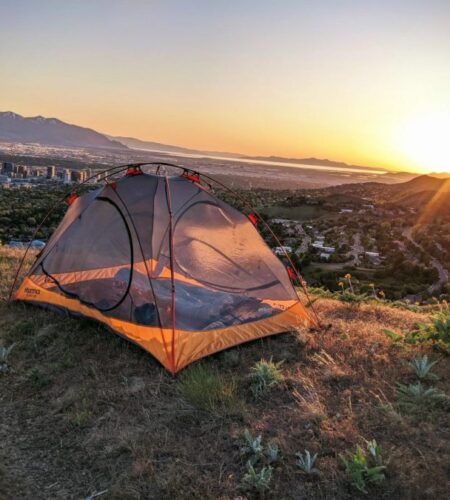
In a world where grand voyages and epic quests often capture our imagination, the concept of microadventures is redefining what it means to explore and seek out adventure. Coined by British adventurer Alastair Humphreys, microadventures offer a refreshing twist on traditional exploration. After traveling the globe, Humphreys turned his attention to the joys of local adventure, proposing that thrilling experiences don’t always require extensive planning or exotic locations. Instead, they can be found right in our backyards.
Embracing Simplicity and Proximity
A microadventure is a short, simple, and local getaway that provides a break from routine and a chance to reconnect with nature. Unlike grand expeditions—think perilous sea voyages or scaling mountain peaks—microadventures focus on simplicity. The idea is to embark on an adventure with minimal equipment and make do with what you have. Whether it’s camping under the stars a few kilometers from home, taking a spontaneous train ride to a random station, or swimming in a nearby lake, microadventures are about experiencing something new without the need for elaborate plans or expensive gear.
The key principles of microadventures are straightforward:
– Simplicity: No special equipment or skills are required; the goal is to embrace the adventure with minimal resources.
– Proximity: The adventure starts right from your doorstep, encouraging exploration of your local area in a new light.
– Disconnection: A microadventure provides an opportunity to escape the hustle and bustle of everyday life and reconnect with what matters most.
– Accessibility: With little time and money needed, anyone can enjoy an experience tailored to their desires and abilities.

A Response to Modern Constraints
In an era where demanding careers and busy lives often limit our ability to take extended vacations, microadventures offer a practical solution. A two-week getaway might seem like a dream, but it’s not always feasible due to work commitments, family obligations, or the sheer effort involved in planning. Microadventures, on the other hand, allow for spontaneous escapes, fitting easily into an afternoon or a free weekend. They provide a flexible and immediate way to break from routine without requiring significant time or financial investment.
A Cure for Digital Fatigue
As our lives become increasingly dominated by digital screens and urban density, there’s a growing need for tangible, real-world experiences. Microadventures offer a perfect antidote to digital fatigue, allowing people to reconnect with nature and their surroundings. Whether it’s a brisk hike through a nearby forest, a serene paddle on a moonlit lake, or an urban scavenger hunt, these brief excursions provide a refreshing change from the virtual world.
Economic and Mental Well-being Benefits
Economically, microadventures present a cost-effective alternative to traditional vacations. They encourage the exploration of local gems and hidden spots, often avoiding the commercialized tourist traps that come with a hefty price tag. Additionally, the growing emphasis on mental well-being and work-life balance highlights the importance of regular breaks. Even a short change in environment can serve as a reset button, rejuvenating the mind and body. Microadventures offer this revitalizing pause, combining the thrill of exploration with the practicality of modern living.
The Joy of Local Exploration
Humphreys’ concept of microadventures resonates deeply in today’s context. With travel restrictions and the demands of modern life, people are finding joy and fulfillment in discovering their local surroundings. The essence of a microadventure lies in the richness of the experience rather than the duration of the trip. As cities grow denser and our lives become more screen-centric, these small-scale adventures offer a meaningful way to engage with the world around us.
Microadventures provide a bridge between the practicalities of contemporary life and the timeless joy of exploration. By embracing simplicity, proximity, and spontaneity, individuals can find adventure and excitement without needing to embark on grand, far-flung journeys. As we continue to navigate the complexities of modern living, the rise of microadventures reminds us that even the smallest escapes can offer profound rewards.
