

In recent years, there has been a resurgence of interest in psychedelic substances, with millennials at the forefront of this modern renaissance. Once relegated to the fringes of society, psychedelics are now being explored for their potential therapeutic benefits and their ability to foster personal growth and spiritual experiences. This renewed interest reflects a broader cultural shift towards seeking alternative methods of healing and self-discovery.
The History and Re-Emergence of Psychedelics
Psychedelic substances, such as LSD, psilocybin (magic mushrooms), and ayahuasca, have been used for centuries in various cultural and religious contexts. In the 1960s, they gained popularity in the West but were subsequently criminalized and stigmatized due to concerns about their safety and potential for abuse.
In recent years, however, there has been a growing body of scientific research suggesting that psychedelics can have profound therapeutic effects. Studies have shown that substances like psilocybin can help treat conditions such as depression, anxiety, PTSD, and addiction. This scientific validation has helped to destigmatize psychedelics and bring them back into mainstream consciousness.
The Appeal for Millennials
Millennials are drawn to psychedelics for several reasons. Many are disillusioned with conventional pharmaceutical treatments and are seeking alternative approaches to mental health and well-being. Psychedelics offer a potential path to healing that is holistic and transformative, addressing the root causes of psychological distress rather than just alleviating symptoms.
Additionally, the emphasis on personal growth and self-discovery resonates with a generation that values experiences and authenticity. Psychedelic experiences are often described as profoundly meaningful, providing insights into one’s self and the nature of reality. For many millennials, these experiences offer a way to reconnect with themselves and the world around them.
Therapeutic and Recreational Use
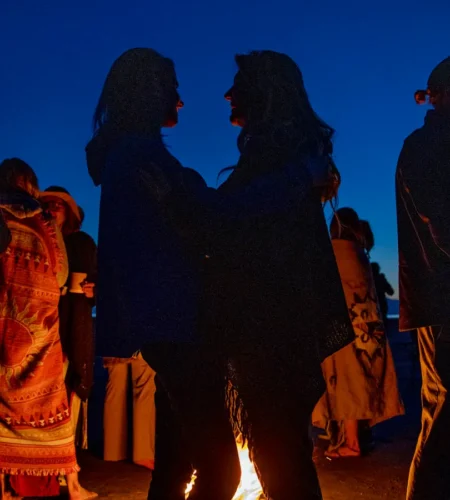
While the therapeutic potential of psychedelics is a major driver of their resurgence, many millennials also explore these substances for recreational and spiritual purposes. Psychedelic retreats and ceremonies, often guided by experienced facilitators, have become popular as a means of accessing altered states of consciousness in a safe and supportive environment.
These experiences are often framed as journeys or explorations, with the potential to unlock new perspectives and foster a sense of interconnectedness. The integration of these experiences into daily life is seen as a crucial aspect of their benefits, promoting long-term changes in behavior and mindset.
The Legal and Cultural Landscape
The legal status of psychedelics is rapidly evolving. Several cities and states in the U.S. have decriminalized or legalized psilocybin and other psychedelics, reflecting a shift in public perception and policy. Organizations like MAPS (Multidisciplinary Association for Psychedelic Studies) are leading efforts to conduct research and advocate for the medical use of psychedelics.
Culturally, there is a growing acceptance and curiosity about psychedelics, fueled by positive media coverage and the endorsement of high-profile figures. Documentaries, books, and podcasts about psychedelics have proliferated, contributing to a more informed and open-minded discourse.
The psychedelic renaissance represents a significant cultural shift, with millennials playing a key role in exploring and advocating for the benefits of altered states of consciousness. As scientific research continues to validate the therapeutic potential of psychedelics, and legal frameworks evolve, the integration of these substances into mainstream society is likely to grow. For millennials seeking holistic approaches to mental health and personal growth, psychedelics offer a promising and transformative path forward.
