

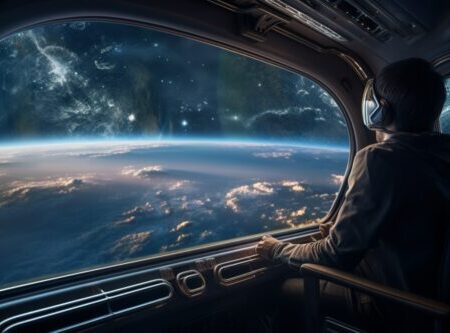
As the final frontier becomes increasingly accessible, millennials find themselves at the forefront of a burgeoning industry: space tourism. What was once the realm of science fiction is now on the cusp of reality, with private companies like SpaceX, Blue Origin, and Virgin Galactic promising to make space travel available to the public. For a generation that grew up with the internet, smartphones, and constant technological advancements, the prospect of exploring space is both thrilling and tangible.
The Rise of Space Tourism
Space tourism is no longer a distant dream. With successful test flights and plans for commercial space travel well underway, companies are competing to offer the first tickets to the stars. Virgin Galactic, founded by Richard Branson, aims to provide suborbital flights that offer passengers a few minutes of weightlessness and stunning views of Earth from space. SpaceX, led by Elon Musk, has even more ambitious plans, including lunar missions and eventual trips to Mars. Blue Origin, founded by Jeff Bezos, is also in the race, focusing on reusable rockets to make space travel more sustainable and affordable.
The Appeal for Millennials
For millennials, the allure of space tourism is multifaceted. This generation values experiences over material possessions, and what could be more extraordinary than a journey into space? The opportunity to see Earth from above, to experience weightlessness, and to be part of a select group of space travelers is incredibly appealing. Additionally, the environmental consciousness that defines many millennials aligns with the advancements in reusable rocket technology, making space tourism not just a fantasy, but a responsible and exciting adventure.
The Challenges and Considerations
Despite the excitement, space tourism is not without its challenges. The cost of a ticket remains prohibitively high for most people, with prices ranging from hundreds of thousands to millions of dollars. Safety is another significant concern; space travel involves inherent risks, and ensuring passenger safety is paramount. Moreover, the environmental impact of launching rockets, even reusable ones, cannot be overlooked.
Ethical considerations also come into play. As the industry grows, questions arise about who gets to go to space and the potential for exacerbating social inequalities. There is also the matter of space debris and the need for sustainable practices to ensure that space tourism does not harm the very environment it seeks to explore.
The Future of Space Tourism
As technology advances and the industry matures, the cost of space travel is expected to decrease, making it more accessible to a broader audience. Innovations in rocket technology, such as SpaceX’s Starship, promise to reduce costs and improve safety. Furthermore, partnerships between private companies and governmental space agencies could lead to more regulated and inclusive space travel opportunities.
Educational initiatives and space camps are also likely to become more popular, inspiring the next generation of space enthusiasts and professionals. As space tourism becomes a reality, it will undoubtedly inspire a renewed interest in science, technology, engineering, and mathematics (STEM) fields, potentially leading to significant advancements in space exploration and related technologies.
Space tourism represents the next great adventure for humanity, and millennials are eager to be part of this new frontier. With private companies pushing the boundaries of what is possible, the dream of exploring space is closer than ever before. While challenges remain, the potential for extraordinary experiences and the inspiration to push technological and environmental boundaries make space tourism an exciting and transformative prospect for the future.
