

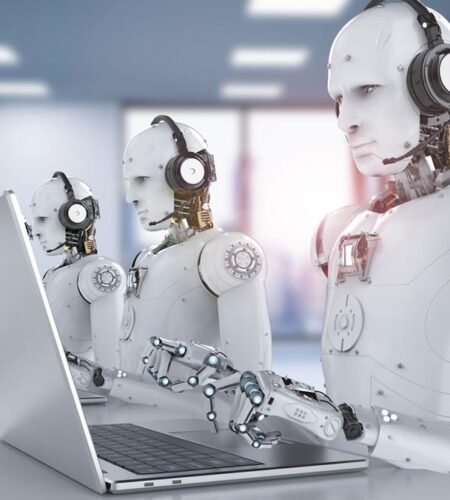
The rise of automation and artificial intelligence (AI) is rapidly transforming the landscape of work. It’s not just millennials who are navigating their careers in the midst of this technological upheaval, it’s everyone. Gen Z, Gen X, Boomers, anyone in the workforce today is dealing with unprecedented opportunities and significant challenges. As automation redefines traditional roles and creates new ones, understanding its impact is crucial for shaping professional trajectories.
The Impact of Automation on Job Markets
Automation is revolutionizing various industries, from manufacturing and logistics to healthcare and finance. According to a report by McKinsey & Company, up to 375 million workers worldwide may need to switch occupational categories by 2030 due to automation. While this shift may eliminate some jobs, it also creates opportunities in emerging fields.
Job displacement is a real concern in sectors heavily reliant on routine tasks. Assembly line workers and data entry clerks face a higher risk of redundancy. However, new roles are emerging in tech-driven fields such as AI development, cybersecurity, and data science. The World Economic Forum predicts that while 85 million jobs may be displaced by 2025, 97 million new roles could be created in sectors that leverage automation and technology.
As automation takes over repetitive tasks, the demand for skills such as critical thinking, creativity, and emotional intelligence is increasing. The workforce (this likely means you) must adapt by acquiring new competencies through continuous learning and upskilling. Platforms like Coursera and LinkedIn Learning offer accessible ways to gain relevant skills in emerging technologies and soft skills essential for the future workplace.
Opportunities in the Age of Automation
Automation not only disrupts existing job structures but also paves the way for innovation and efficiency. It enhances productivity and allows professionals to focus on higher-value tasks. Streamlining operations by handling repetitive tasks efficiently frees up human workers to engage in more creative and strategic activities. This shift can lead to greater job satisfaction and innovation, as employees are no longer bogged down by mundane duties.
The integration of automation and AI into the workplace has facilitated the rise of remote work, a trend accelerated by the COVID-19 pandemic. Remote work offers greater flexibility, allowing professionals to balance their personal and professional lives more effectively. As automation continues to evolve, it is likely that remote work will become a permanent fixture in many industries.
Preparing for the Automated Future
For workers to thrive in the age of automation, proactive adaptation and a commitment to lifelong learning are essential. Continuous education is vital in an era where technological advancements rapidly change job requirements. Millennials should seek opportunities to enhance their skill sets through formal education, online courses, and professional development programs. Embracing a mindset of lifelong learning will ensure they remain competitive in the evolving job market.
The future of work will require a blend of technical and non-technical skills. We should focus on developing interdisciplinary expertise, combining knowledge of technology with skills in areas such as communication, leadership, and project management. This holistic approach will enable them to navigate the complexities of an automated workplace effectively.
Automation is undeniably reshaping the future of work, presenting both challenges and opportunities for millennials. By understanding the implications of automation, embracing continuous learning, and developing interdisciplinary skills, this generation can harness the benefits of technological advancements.
