

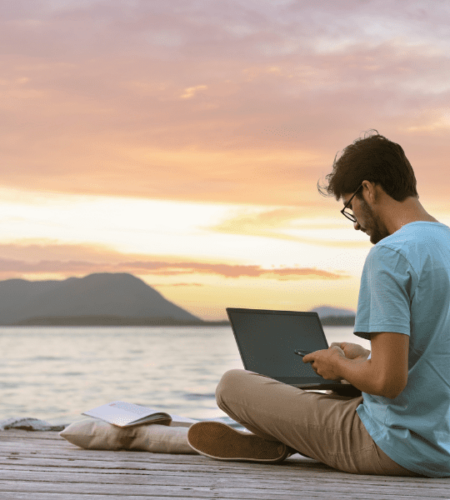
In the age of remote work, a new breed of professionals has emerged: the digital nomads. These wandering creatives have traded the confines of traditional offices for the freedom to work from anywhere in the world. Equipped with laptops, Wi-Fi, and a thirst for adventure, they traverse the globe, blending work and travel into a seamless lifestyle that defies convention.
Digital nomadism isn’t just about snapping Instagram-worthy photos from exotic locations. It’s a full-on subculture, complete with its own ethos, challenges, and rewards. The community is diverse, ranging from freelance writers and graphic designers to software developers and online entrepreneurs. What unites them is the desire for autonomy and the rejection of the nine-to-five grind.
Cafés in Bali, coworking spaces in Berlin, and beachside bungalows in Thailand have become the new offices for these remote workers. The allure is obvious: lower living costs, cultural enrichment, and the ability to create a personalized work environment. But life on the road isn’t all sunshine and rainbows. Digital nomads often grapple with unreliable internet connections, time zone challenges, and the loneliness that can come from constantly being on the move.
Despite these hurdles, the digital nomad lifestyle offers a unique sense of freedom and fulfillment. It’s about more than just changing scenery; it’s about embracing a new way of living that prioritizes experiences over possessions. For many, it’s a journey of self-discovery, pushing the boundaries of what work can look like in the 21st century.
As companies increasingly adopt remote work policies, the digital nomad trend shows no signs of slowing down. The pandemic has accelerated this shift, proving that productivity isn’t tied to a specific location. With the world as their office, digital nomads are redefining what it means to work and live, carving out new paths in an ever-connected world.
