

As wildfires rage, glaciers melt, and weather patterns grow increasingly erratic, the mental health impacts of climate change are becoming impossible to ignore. For a generation that came of age amidst dire environmental predictions, climate change anxiety has emerged as a silent epidemic, deeply affecting the mental well-being of people across the globe.
The Psychological Toll of Climate Change
Climate change anxiety, also known as eco-anxiety, is characterized by chronic fear of environmental doom. For many millennials, the relentless news of environmental degradation triggers feelings of helplessness, sadness, and anger. A 2020 study published in the journal Global Environmental Change found that 72% of young people experience significant worry about climate change, with nearly half reporting that these concerns affect their daily lives.
The Unique Vulnerability of Millennials
Millennials are particularly vulnerable to climate change anxiety for several reasons. First, they’re the first generation who’s had to grow up with greater awareness of environmental issues, thanks to the internet and social media. This heightened awareness, coupled with the knowledge that previous generations have failed to address these issues adequately, intensifies their sense of urgency and despair. Additionally, millennials are at a stage in life where they are making significant decisions about careers, homes, and families, all of which are impacted by the looming threat of climate change.
Coping Mechanisms and Mental Health Strategies
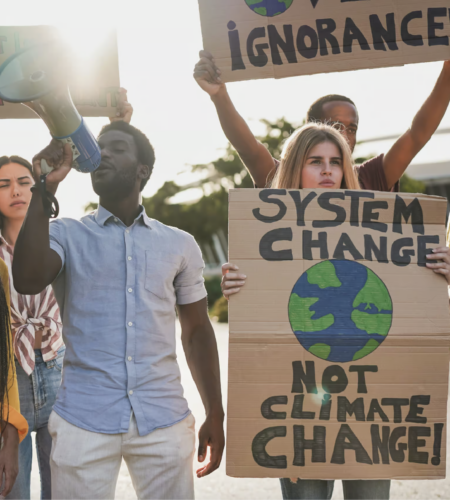
Despite the pervasive nature of climate change anxiety, people are developing a variety of coping mechanisms to manage their mental health. Many turn to activism as a way to channel their anxiety into positive action. By participating in climate strikes, advocating for policy changes, and supporting sustainable initiatives, they find a sense of agency and purpose. Grassroots movements like Fridays for Future, founded by Greta Thunberg, have mobilized millions of young people worldwide, offering a collective outlet for their climate fears.
Therapeutic practices also play a crucial role in managing eco-anxiety. Therapists specializing in climate change anxiety help individuals process their fears and develop resilience. Techniques such as mindfulness, cognitive-behavioral therapy (CBT), and eco-therapy, which emphasizes reconnecting with nature, are effective in alleviating the psychological burden of climate change.
The Role of Community and Connection
Building a supportive community is another vital strategy for combating climate change anxiety. Online forums, social media groups, and local environmental organizations provide spaces for millennials to share their experiences, discuss coping strategies, and support each other.
The Intersection of Climate Change and Other Social Issues
Climate change anxiety is often compounded by its intersection with other social issues. For instance, economic instability, racial and social inequalities, and political polarization can exacerbate feelings of helplessness and despair. Millennials, who are already navigating these complex issues, find their climate anxieties intensified by the broader socio-political context. Recognizing and addressing these intersections is crucial for developing comprehensive mental health support.
Looking Towards the Future
While the future may seem uncertain, millennials are not without hope. Many are turning their climate anxiety into a catalyst for innovation and change. From developing green technologies to advocating for sustainable policies, millennials are at the forefront of the fight against climate change. Their resilience and determination offer a glimmer of hope in an otherwise daunting landscape. Climate change anxiety is a pervasive and deeply personal issue for millennials. As the silent epidemic continues to affect their mental health, it’s essential to acknowledge their unique vulnerabilities and provide adequate support. By fostering community, promoting activism, and integrating mental health strategies, millennials can transform their climate fears into a force for positive change.
